

How to reach
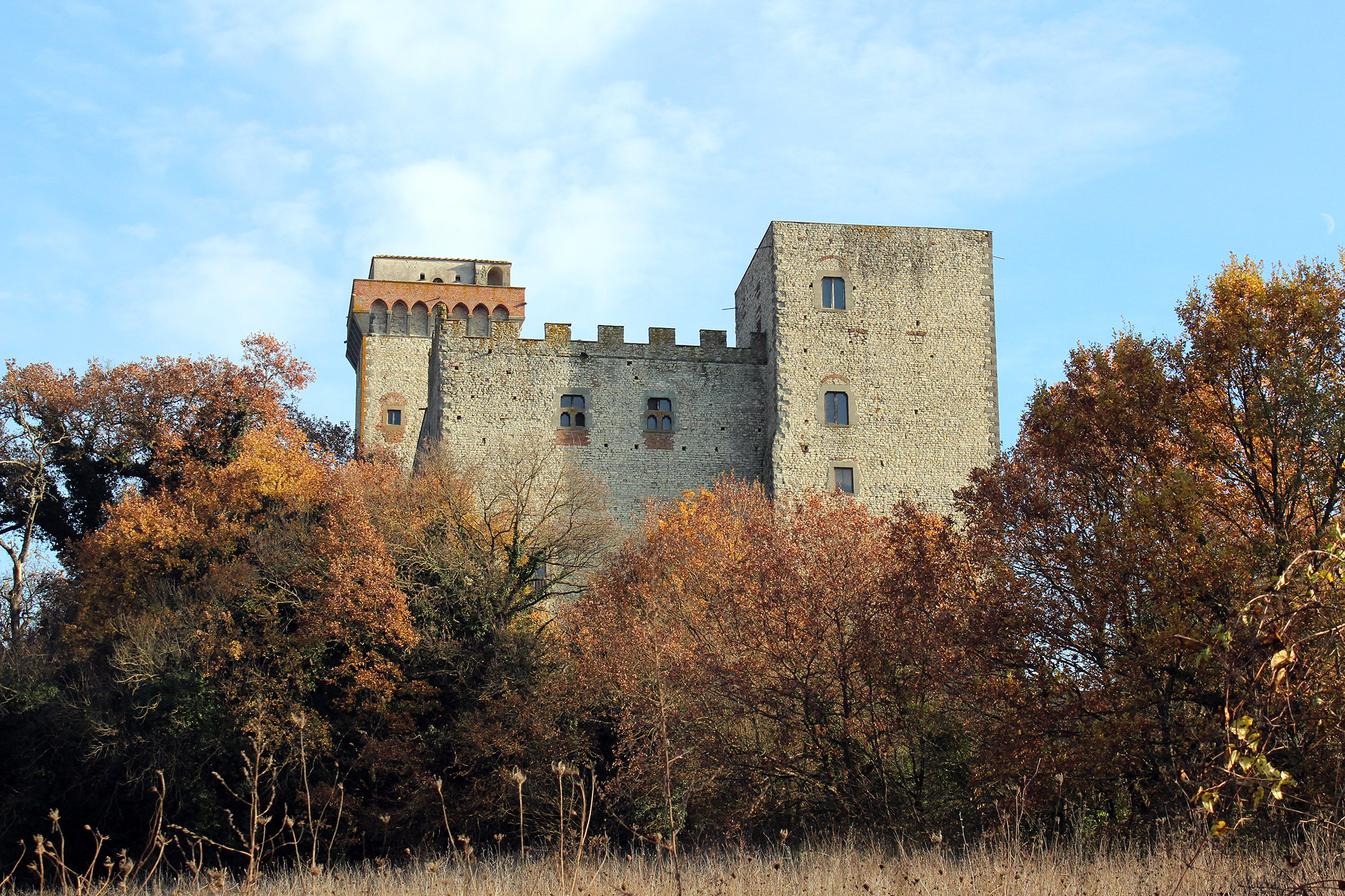
The Castle named 'Torre del Castellano' can be easily noted driving on the road that from Florence, passing through Pontassieve, leads to Incisa Valdarno. It is also well visible from the highway A1.
History
This solid quadrilateral stronghold rises in a strategic position overlooking the river Arno valley, northeast of Incisa and approximately twenty kilometers south of Florence, and it can be considered one of the most beautiful castles in this area. It belonged to the countess Willa, from which it passed to the son, marquis Ugo of Tuscany, who in 927 yielded it to the count Guido Werre (Guido Guerra) of the famous Counts Guidi family. The feudal possession of the Guidi was reconfirmed in the years 967, 1191 (from the emperor Enrico II), and 1220 by Frederick II.
Years later, the castle became the possession of the Castellani family; their richness began in the 14th century with Lotto and his son Vanni. Michele di Vanni di Lotto became an eminent figure in the life of the Florentine Republic in the second half of the 14th century. During the 15th century, Poliziano stayed in the castle. In 1751, the Castellani were numbered among the 'Patrizi' of the city of Florence, and the fortification was gradually transformed into a villa.
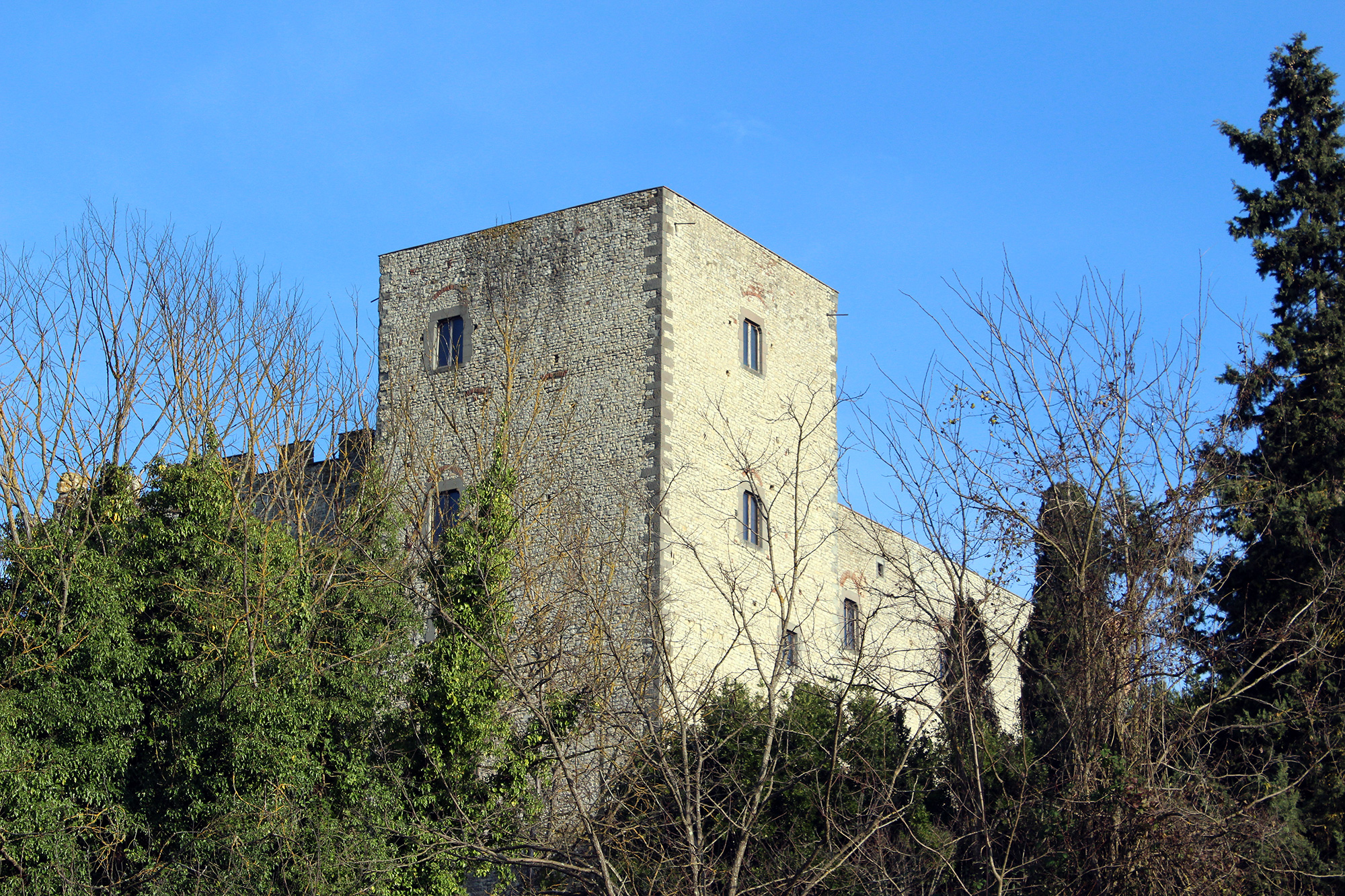
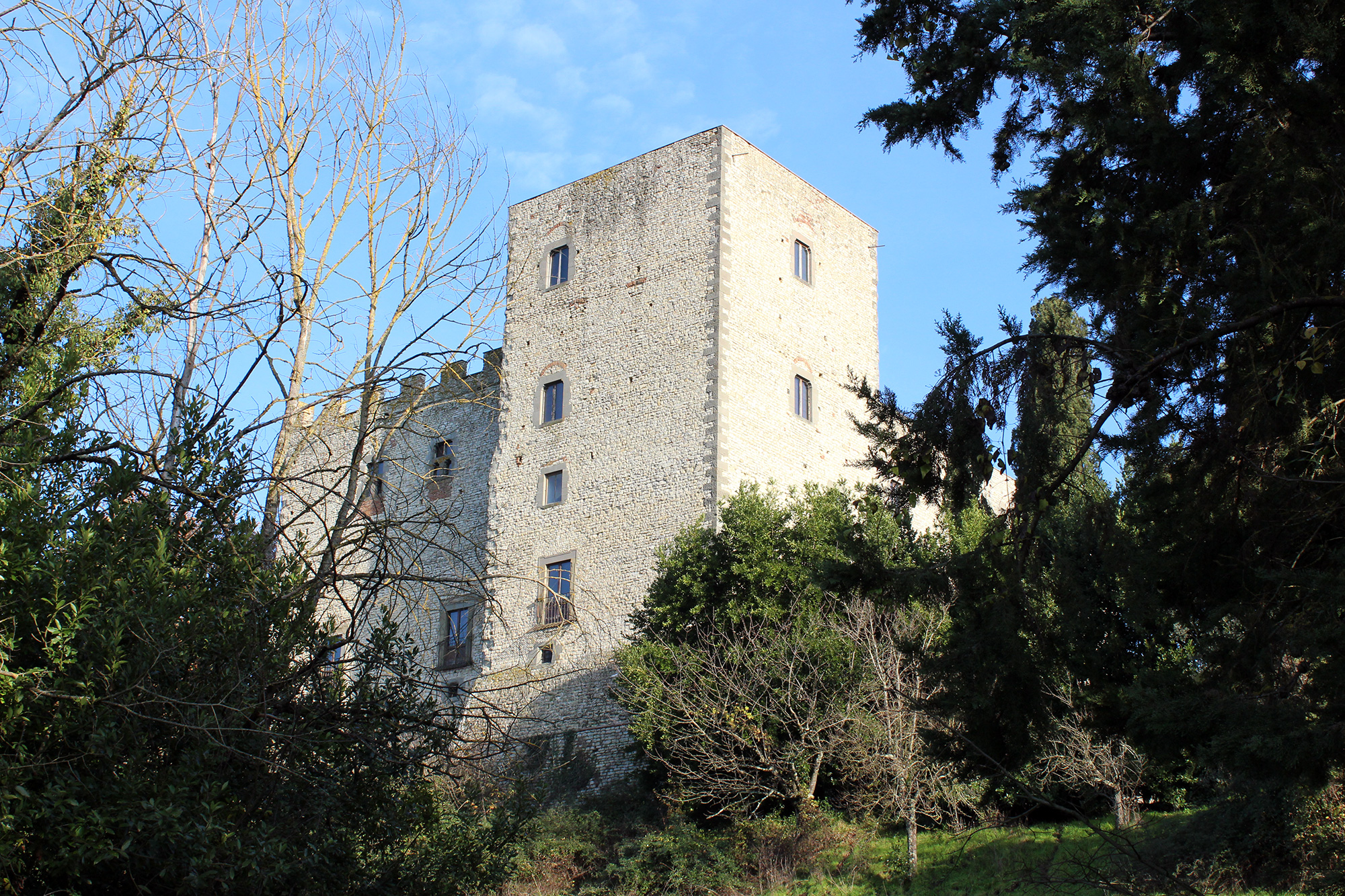
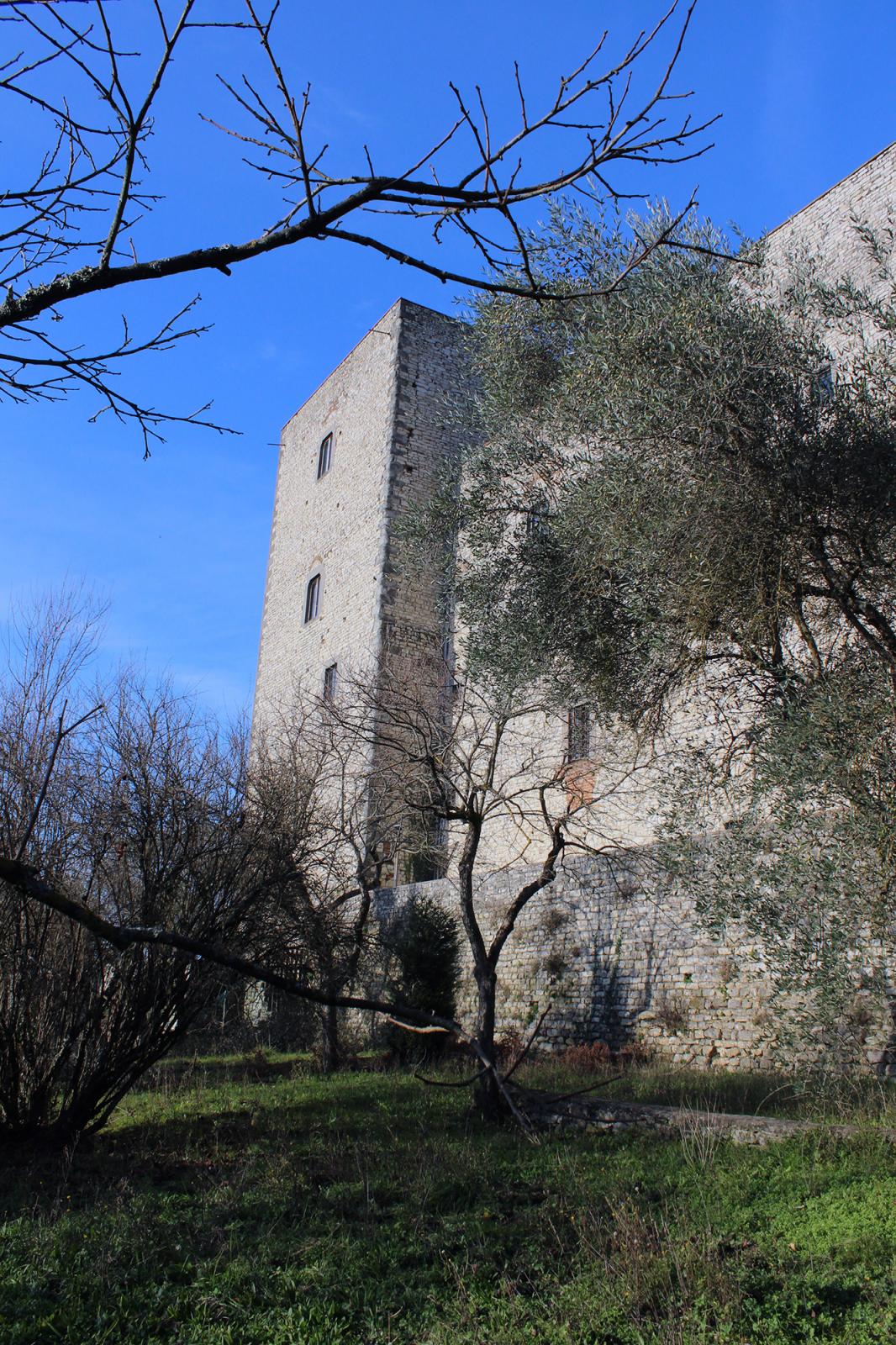
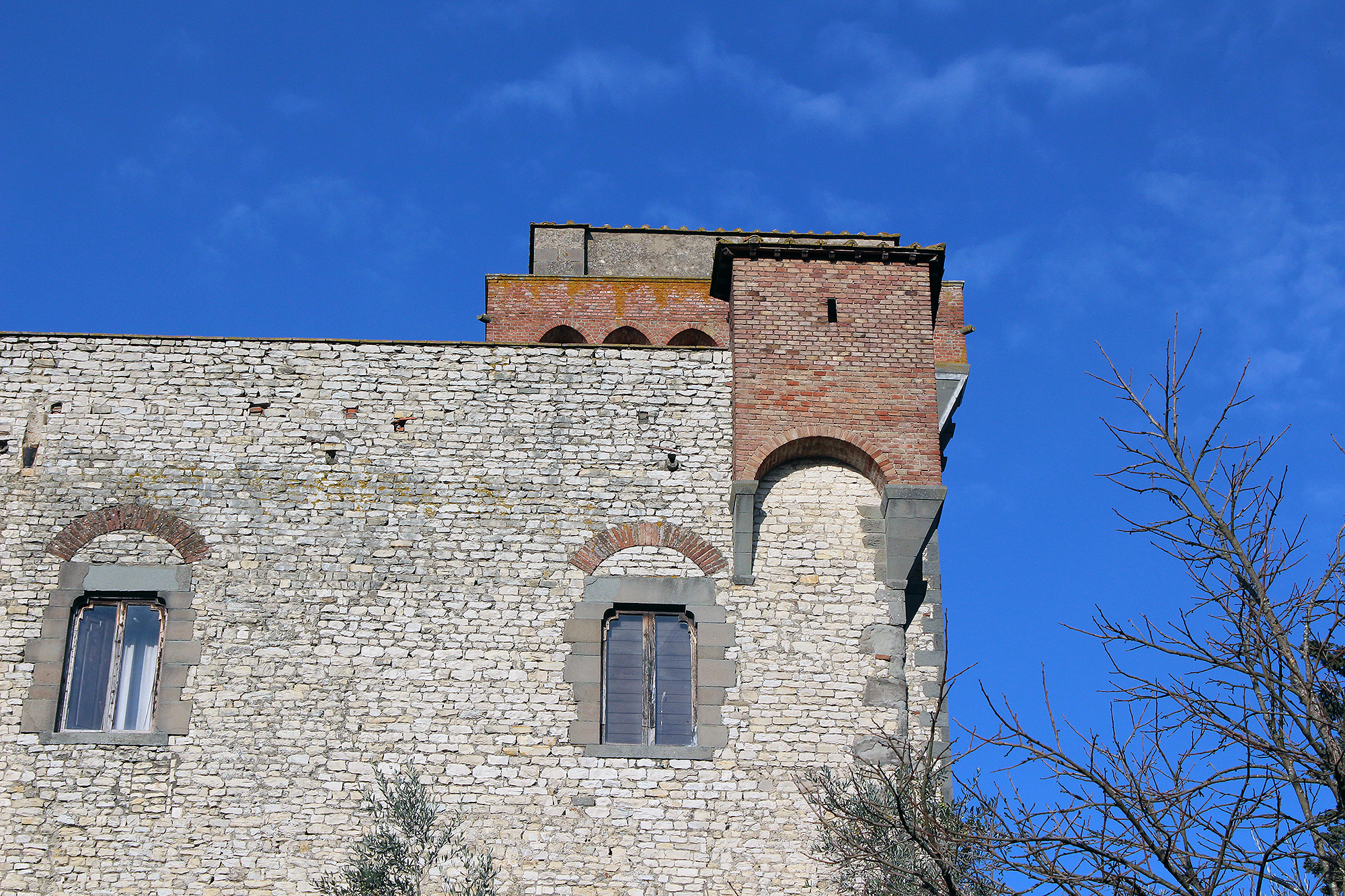
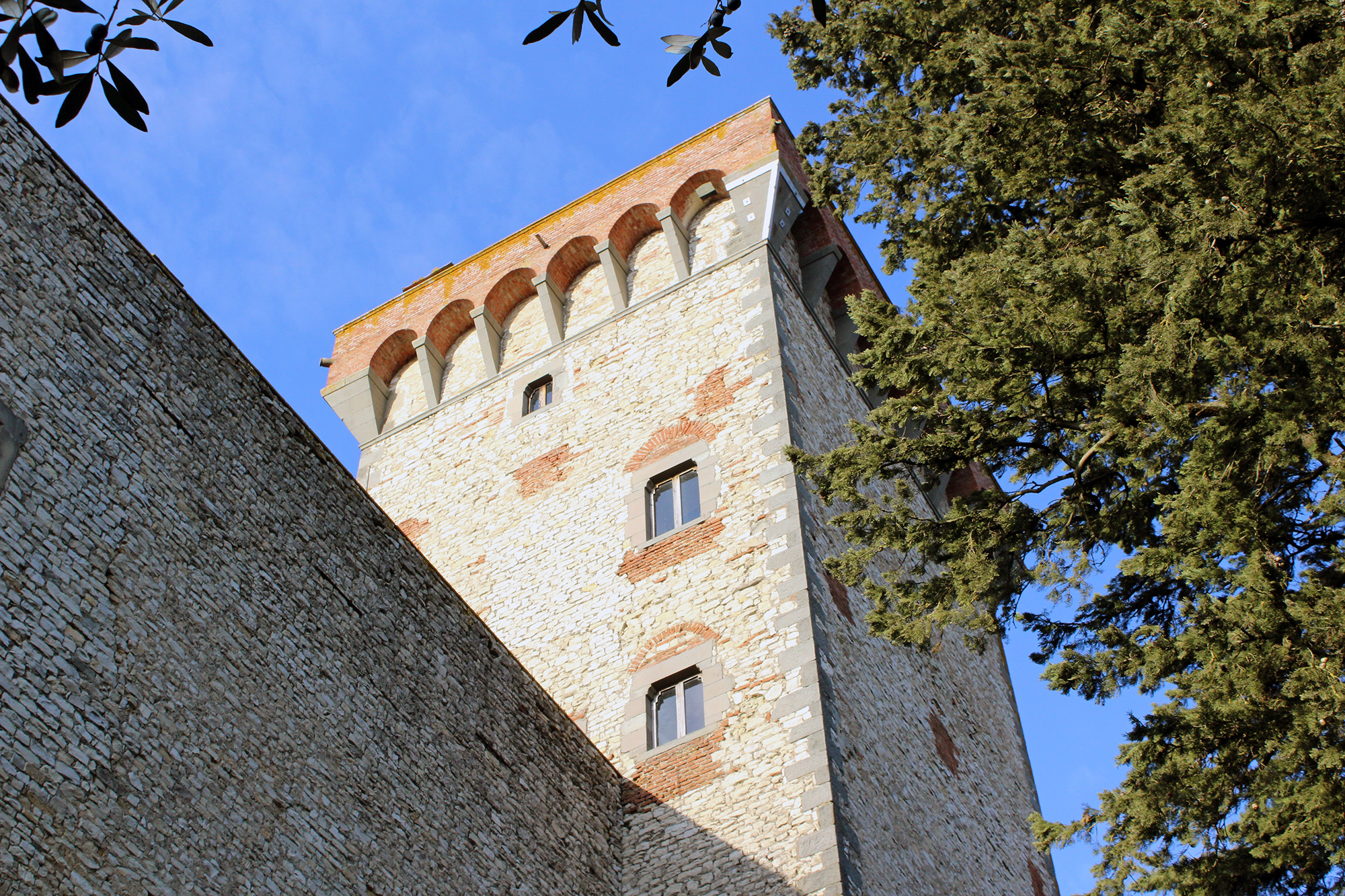
The construction had a square shape endowed with two towers, the first very massive on the southwest angle (it was lowered in the last century); the other was once the high central keep, still equipped with machicolations and stone brackets. The whole perimeter of the construction is provided by bastioned walls, and part of the crenellation and machicolations are nowadays visible.
Many slits, due to the conversion of the fortress into a manor house first and then a farmhouse, break the thick wall curtains. An inner courtyard, with arches supported by carved octagonal columns, leads to the three upper floors and to the basements. In 1938, the owners started the restoration of the castle.
During World War II, the statues of the Uffizi Gallery of Florence were recovered here to escape the damage of the bombs. After the war, were resumed the works of restoration. The small fortress is today an agricultural estate, and it is not possible to visit it inside.