











How to reach
The Fortress of Cerbaia can be reach only by foot through a path in the wood, the nr.48 of the CAI-Prato, from the country of Carmignanello which can be reach from Prato following SS.325 toward Vaiano/Vernio.
History
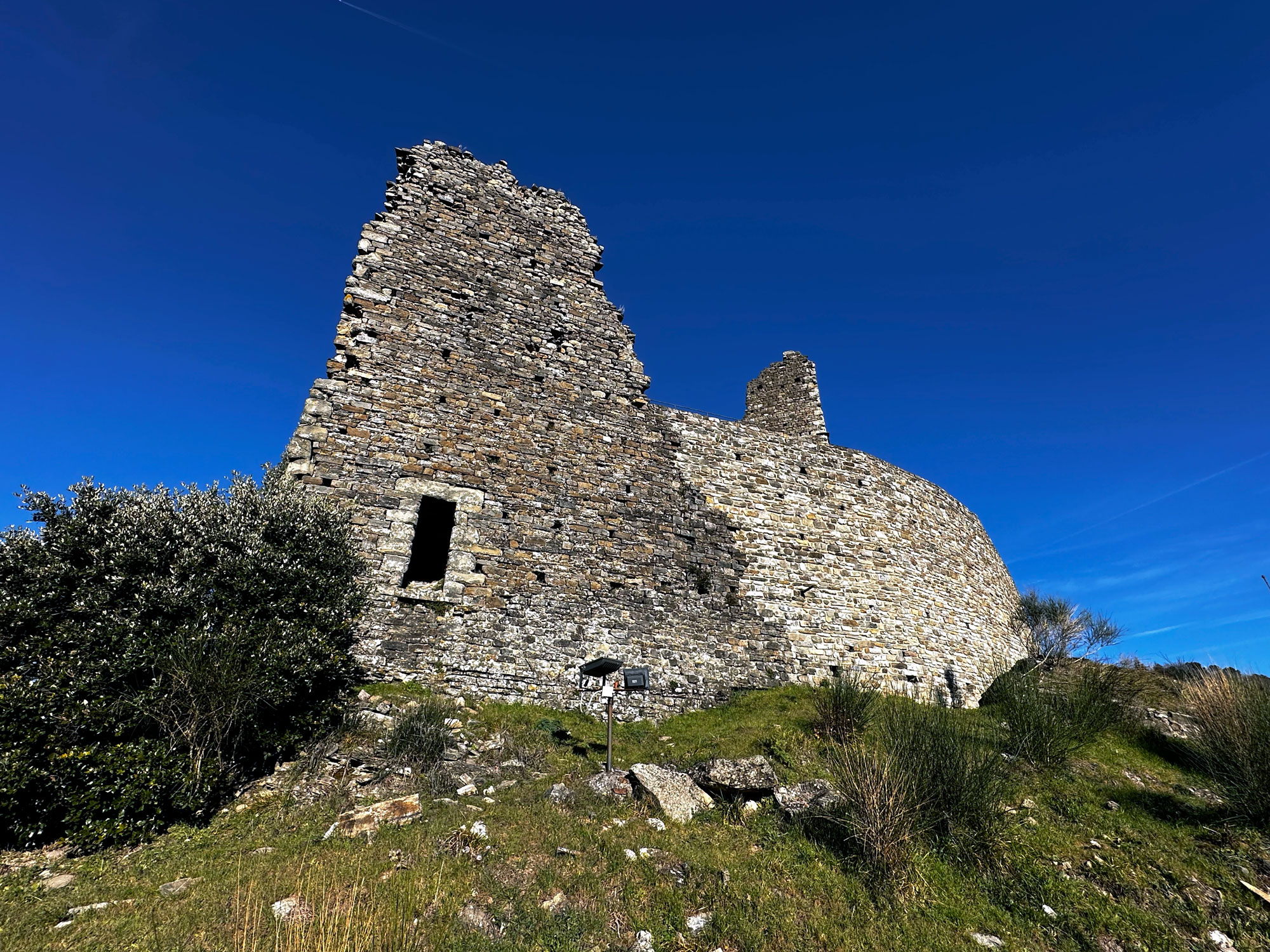
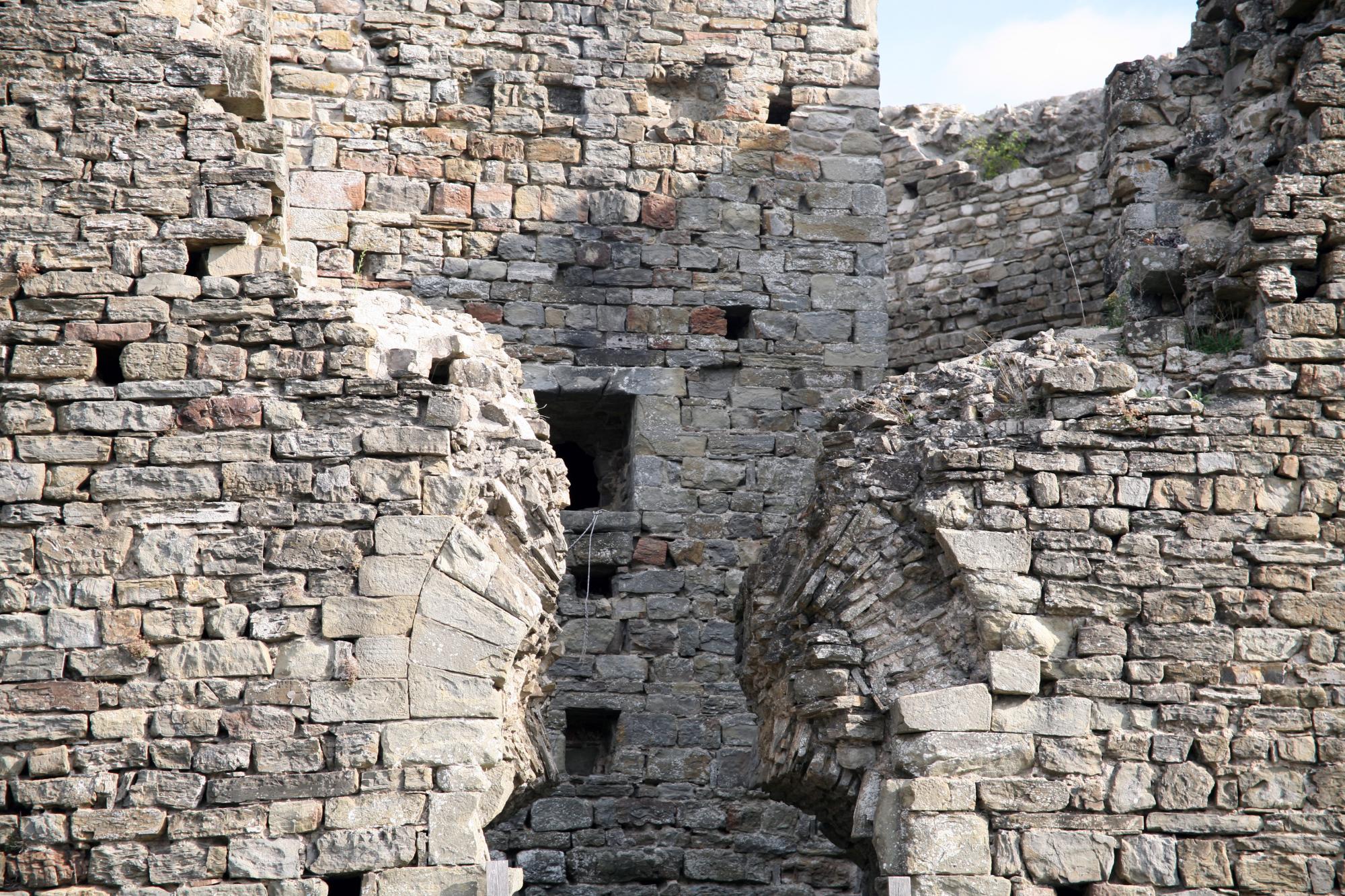
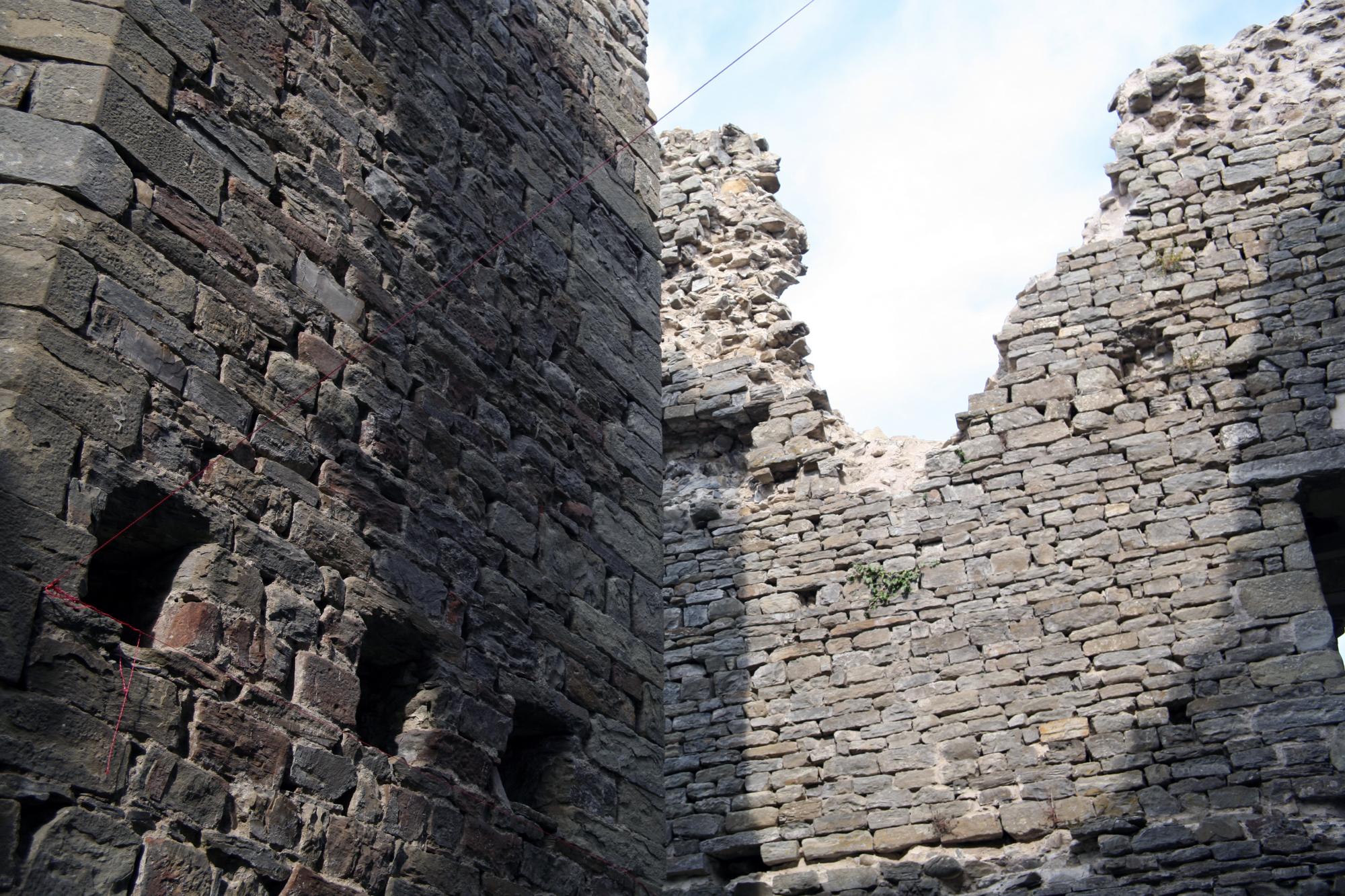
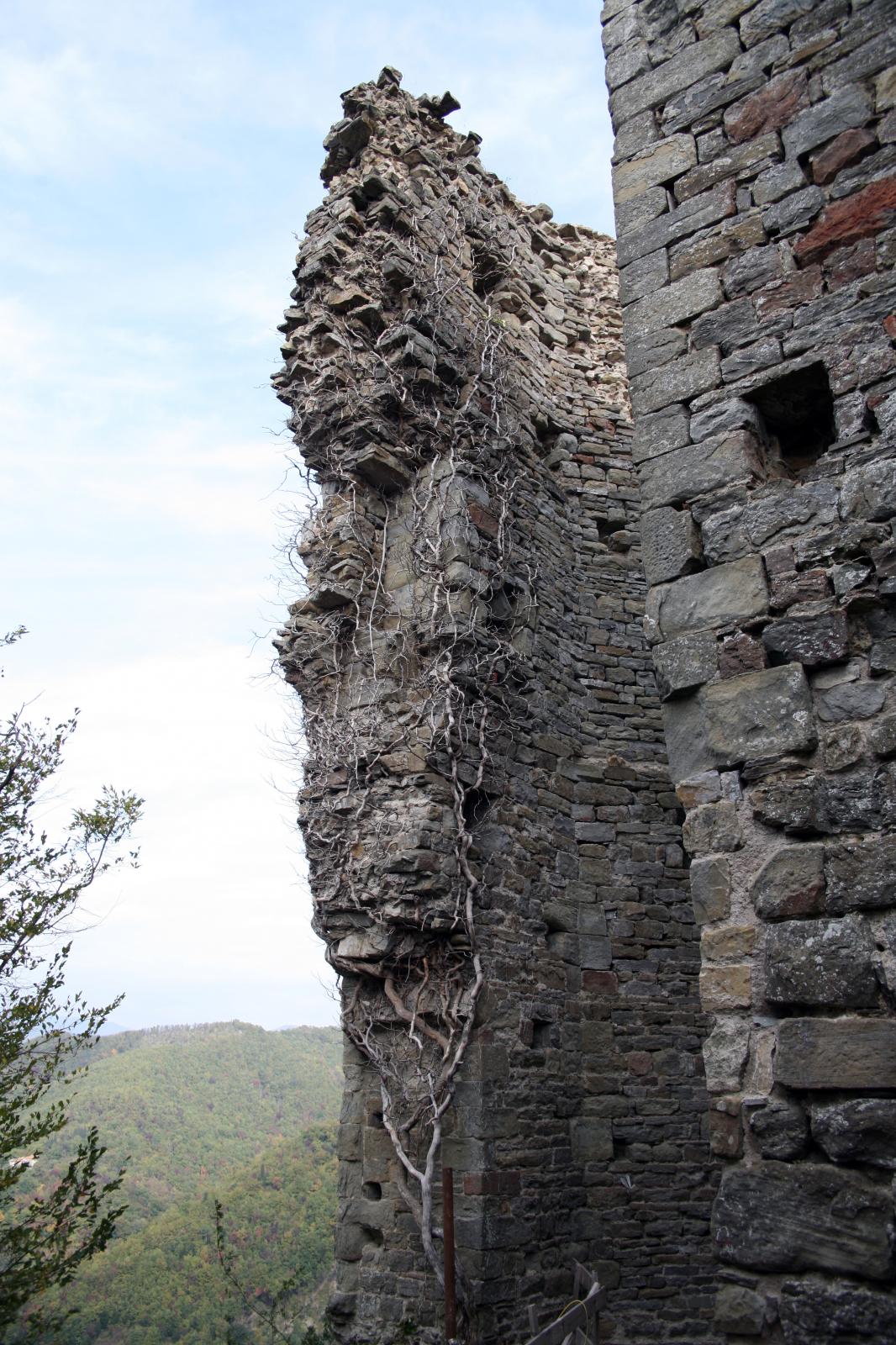
The Rocca di Cerbaia, also known simply as Rocca Cerbaia, dominates the summit of a rocky spur nearly 400 meters high, overlooking the valley of the Bisenzio River. For centuries, this fortified structure has battled the forces of nature, which first led to its abandonment and then to its ruin.
Its origins, at least in the form we see today, seem to date back to the early 1100s, when the Alberti family built a fortress on this site to control the ancient "Lombardy Road" which connected Tuscany to the regions beyond the Apennines. Despite its military purpose, the fortress served the Alberti family as a residence for an extended period, as evidenced by the high-quality finishes still visible inside the keep.
A legend, almost certainly unfounded, claims that in 1285 the Alberti family denied lodging at the Rocca to the poet Dante Alighieri while he was traveling to Bologna. The great poet himself immortalized a descendant of the Rocca’s owners, Cunizza Alberti, known for her lively romantic life, in his Divine Comedy (Paradiso IX, 13-36).
In 1361, the fortress was sold to the Florentines, who recognized its strategic importance and stationed a permanent military garrison there. They reinforced the defenses by building a second wall enclosure and additional structures.
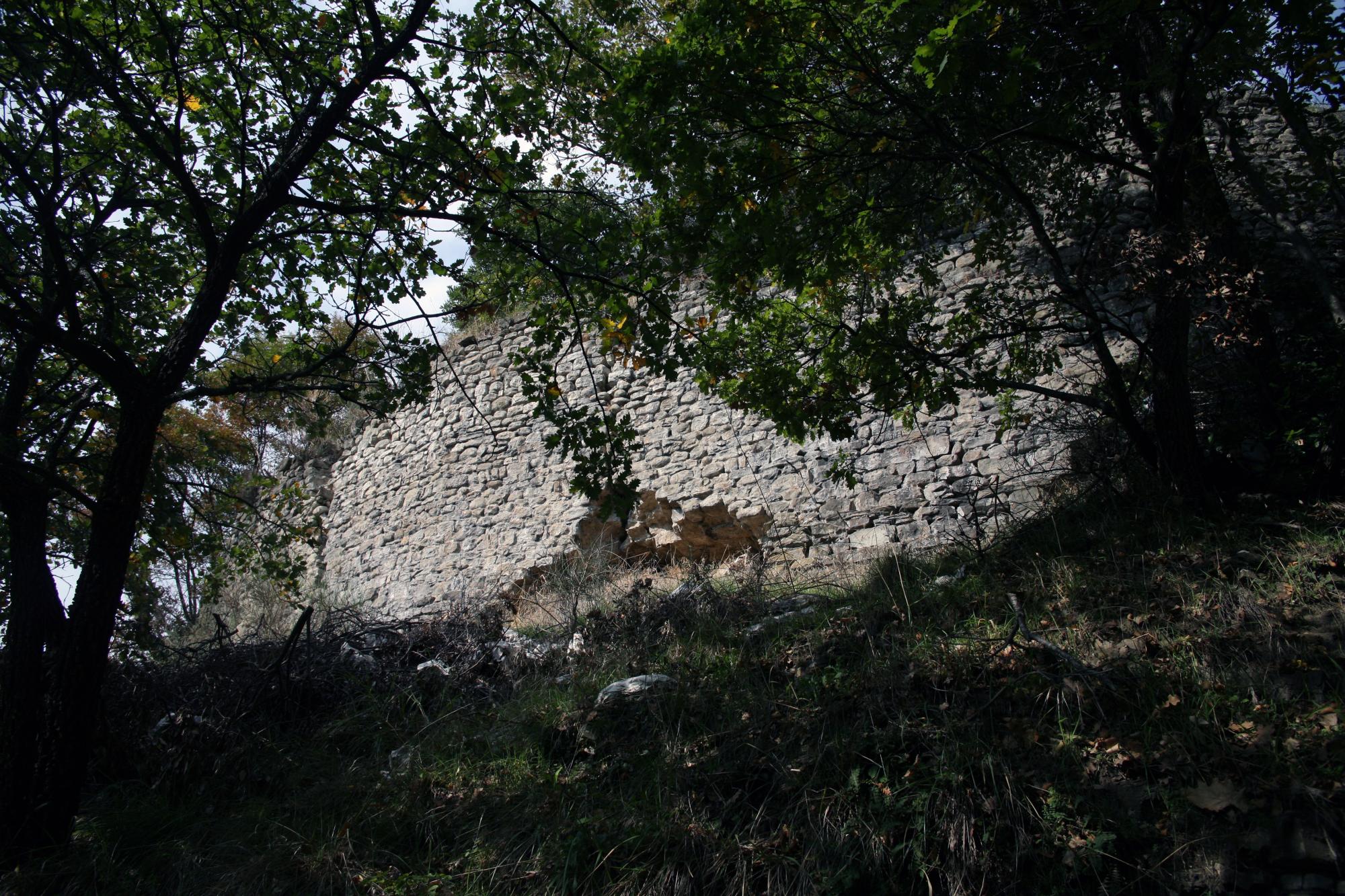
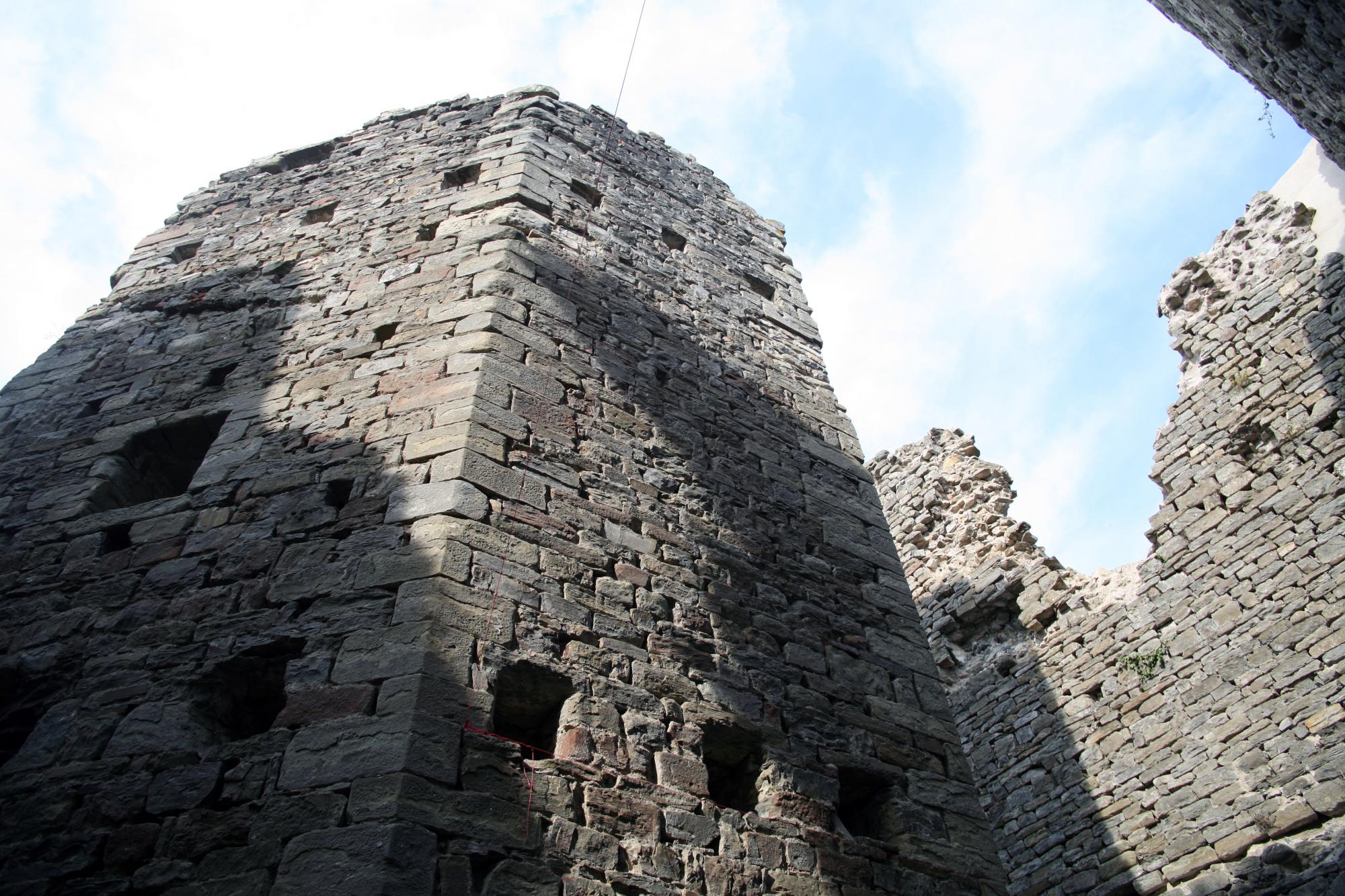
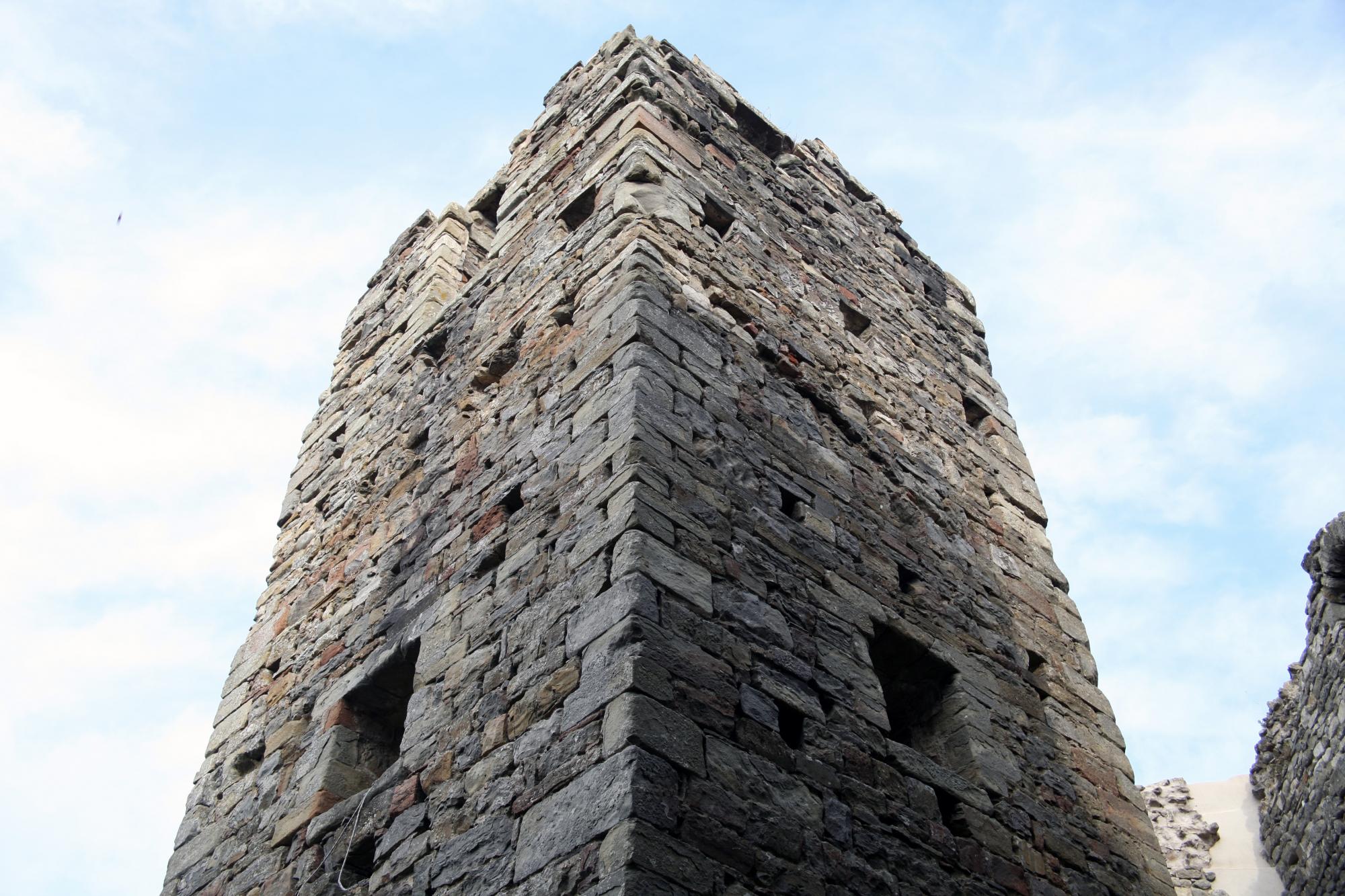
The Rocca di Cerbaia has the classic appearance of medieval enclosure castles: a powerful keep stands at the center, surrounded by two concentric walls, roughly pentagonal in shape. The construction was carried out in sandstone, a material abundant in the area. Large portions of the outermost wall remain, including the entrance gate located in the southern curtain wall. After passing through this gate, on the left are the remains of a building known as the "Palazzo Nuovo" while on the right lie the remnants of a barrel-vaulted cistern. Both structures date to the first half of the 14th century. Outside this first enclosure are the ruins of the Church of San Martino, a single-nave structure.
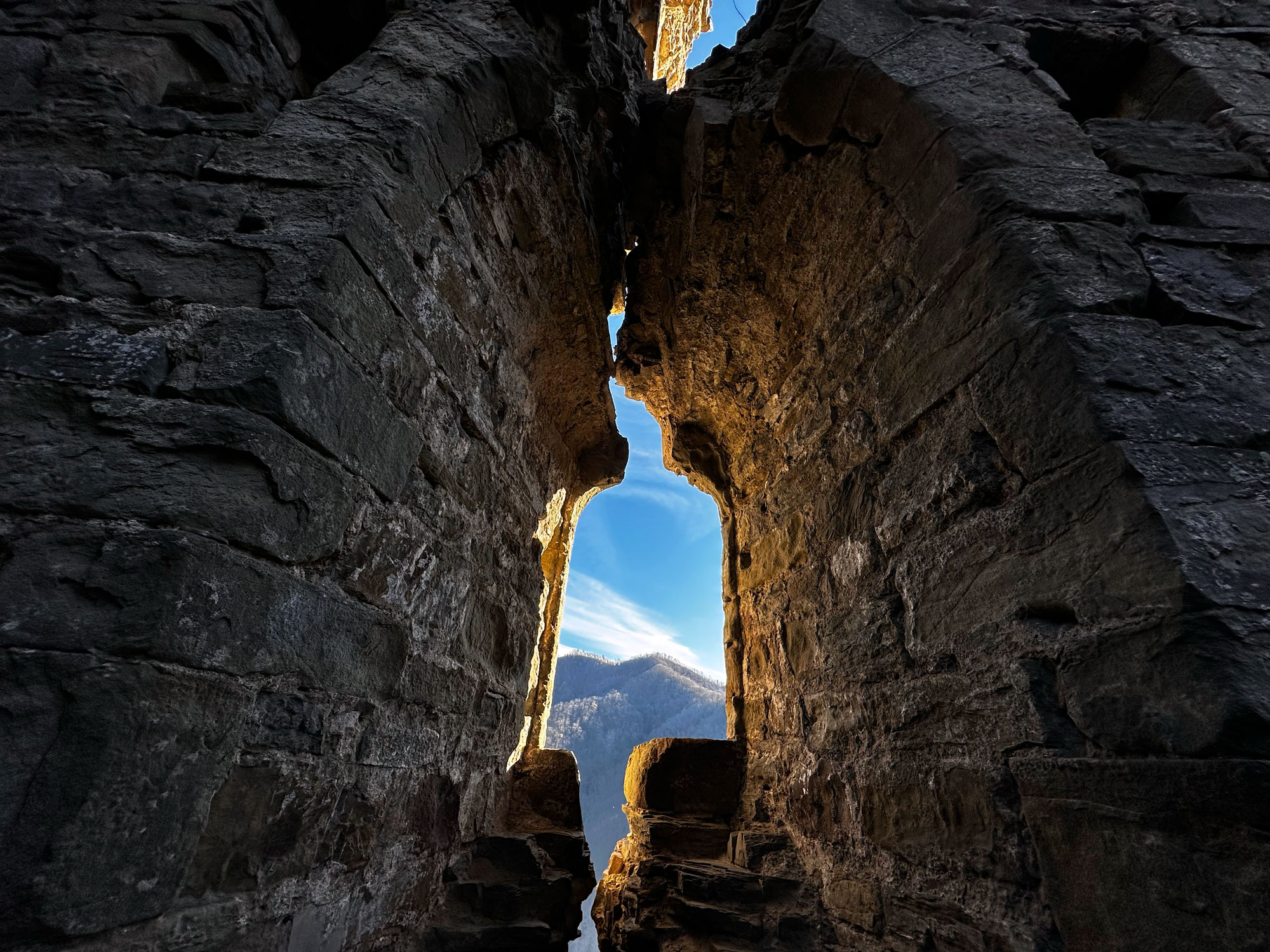
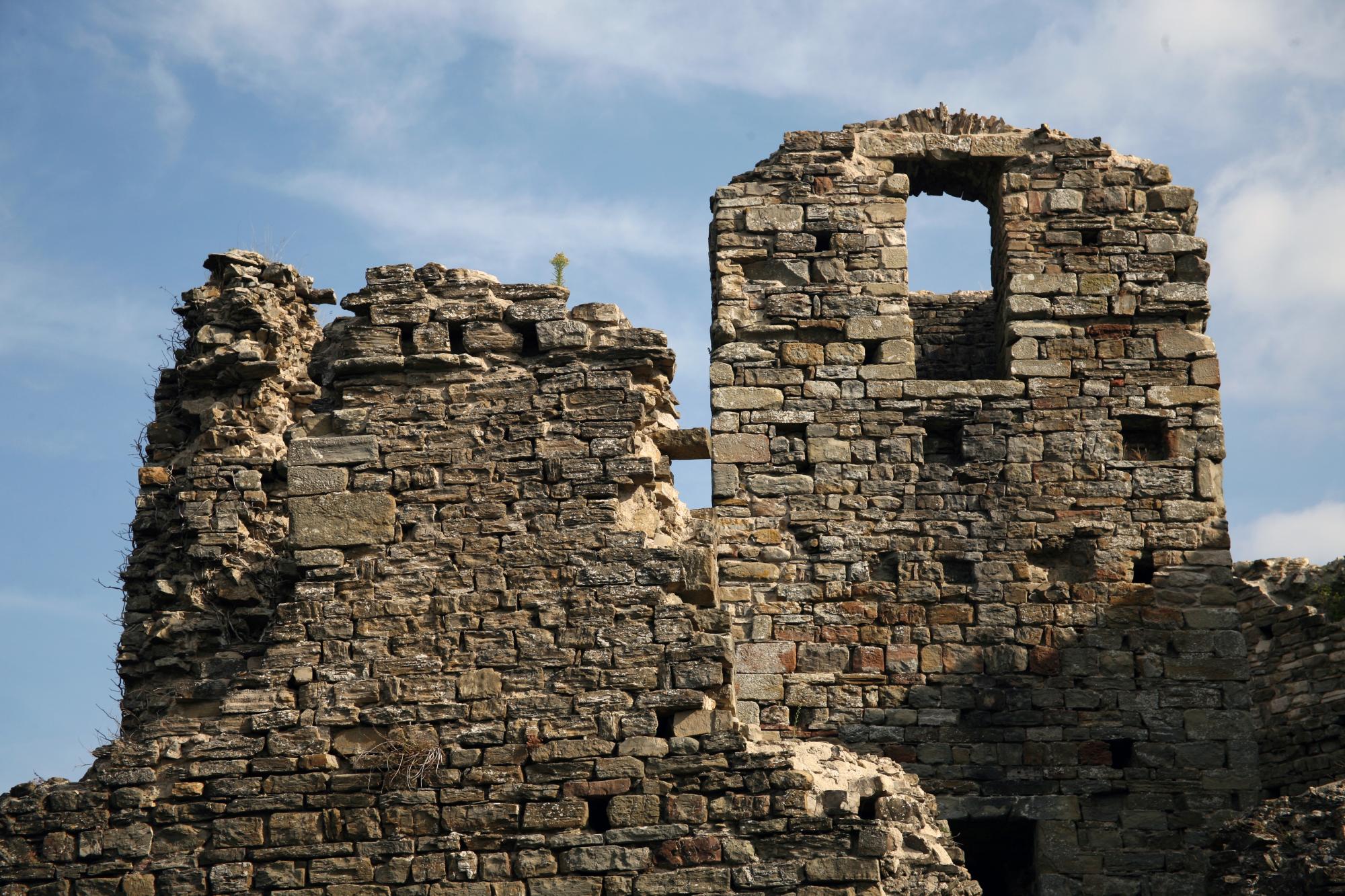
At the heart of the fortress, surrounded by the second wall enclosure, stands the Keep or Palace. It features a central tower, which was once much taller than it is today. The breaches in the windows and the entrance of what was the lord’s residence are still visible. This part of the complex appears to have been reconstructed around the mid-13th century, modeled after the nearby Emperor’s Castle in Prato, particularly in its pentagonal shape.
More info & notes
The Cerbaia Bridge
At the feet of the relief crowned by the mighty Rocca Cerbaia on the river Bisenzio stands an old medieval Bridge simply called Cerbaia Bridge. The bridge has three arches, is constructed in sandstone, it's 5 arms wide (about m.2.30) like the road that lead to its. It's difficult to date it with precision, surely it had origin in the high Middle Ages, its structure and the materials with which it's constructed are common to many other building sited in the zone.
Probably the bridge was there before the Rocca was raised. In the 10th-12th century the bridge of Cerbaia could be a timber structure or a ford, but it existed in the current aspect since the end of the the 13th century. An historical event is put in relation with the construction of the bridge: in the year 1314 the Florentine Republic signed an agreement with the Counts Alberti, owners of the Rocca, to made easier the road connection towards Bologna with the construction of a new passage on the Bisenzio river. The bridge was state totally restored in 1993.