

How to reach
The ruins of the Donoratico Castle are on a hill in the hinterland of Donoratico. Donoratico can be reached following the SS1 Aurelia, the SP16, that crosses the village, toward Rome until the crossroad for Castagneto Carducci. After approximately 1 km turn right. The road is private, inside the 'La Torre' estate still owned by the Della Gherardesca family, and the castle is not accessible.
History
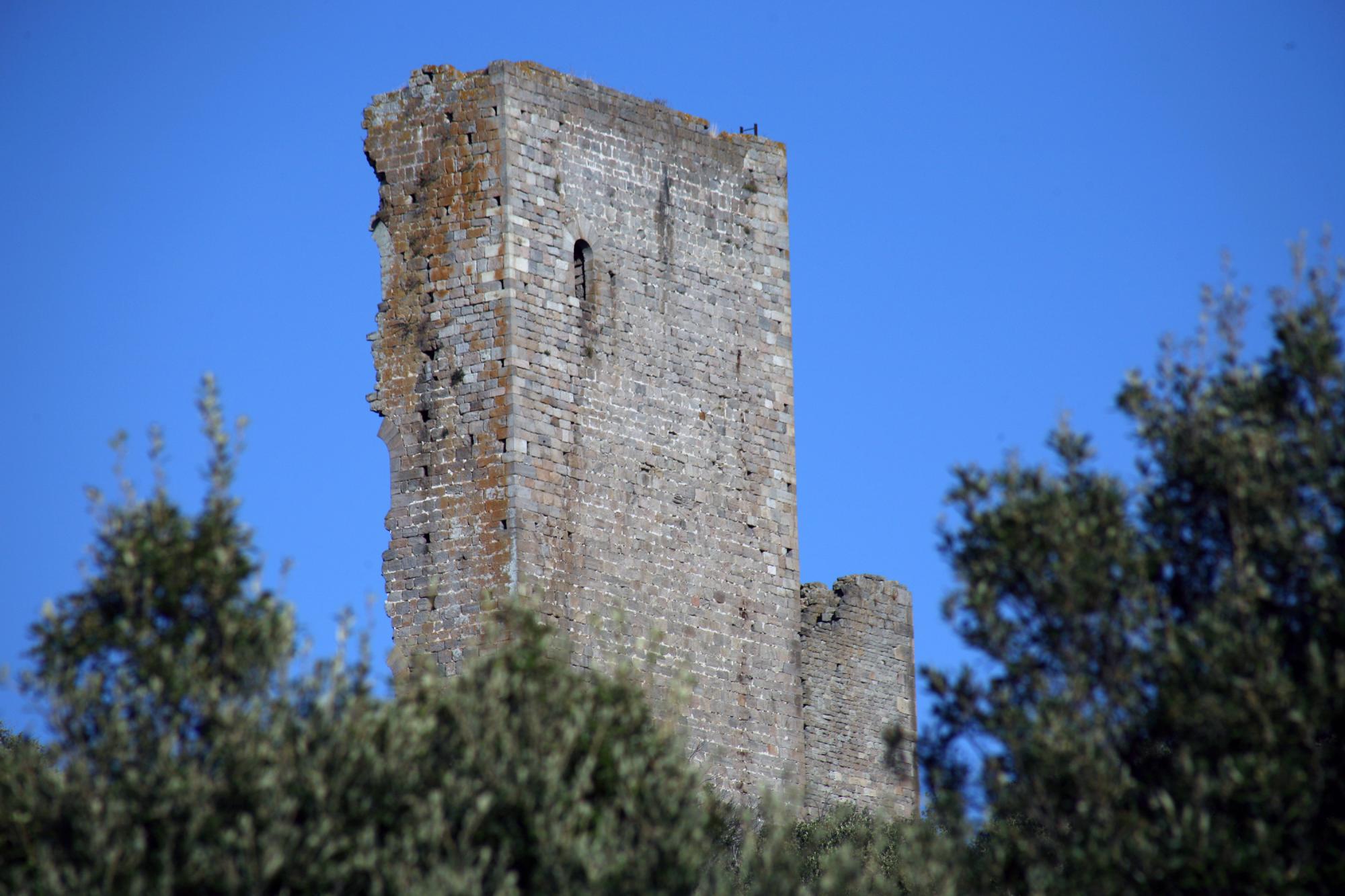
The ruined high Tower of Donoratico dominates a large stretch of the underlying Thyrrenic shoreline, and together with the remnants of a double walled curtain, the foundations of the ancient church and the village's buildings recently brought to light are all that remains of the ancient castle erected here by the Counts Della Gherardesca. Since the mid-1100 and for all the Middle Ages, it was their main stronghold. The function of the castle was to defend this part of the coasts from the bloody incursions of the Saracen, the pirates and the enemies of the Pisane Republic first and Florentine then.
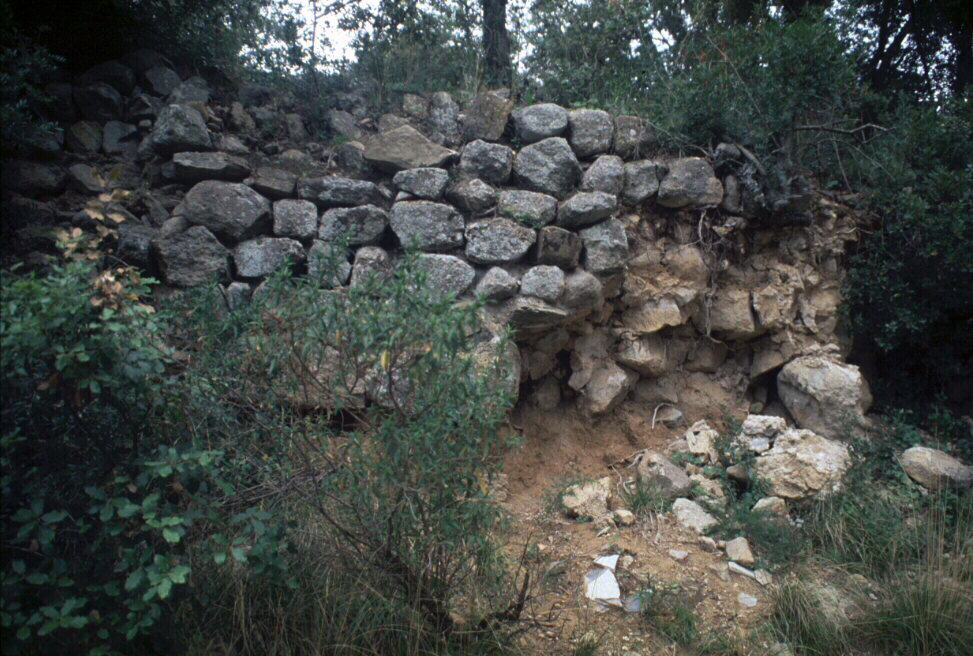
The discovery of ceramics, traces of a 'cyclopic' walled enclosure [erected with large stone blocks ], and the presence of graves of the same age in the terracing of the hill testimony the presence on site of an important Etruscan fortress. The first mention of a fortified stronghold in stone on the hill of Donoratico goes back to 1176, but the existence of the castle is more ancient; a settlement with timber buildings was here before the 10th century
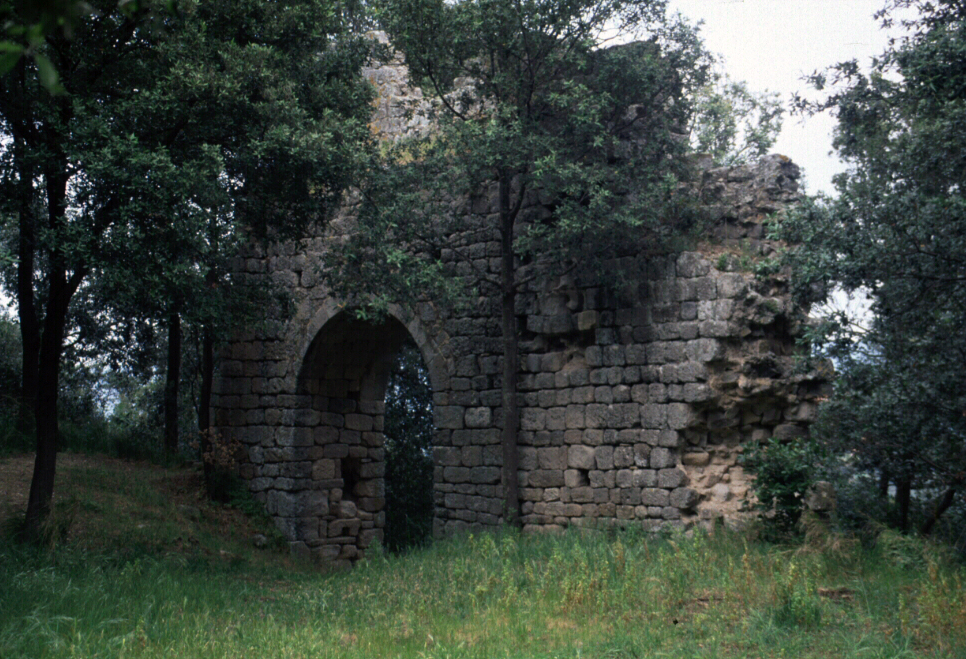
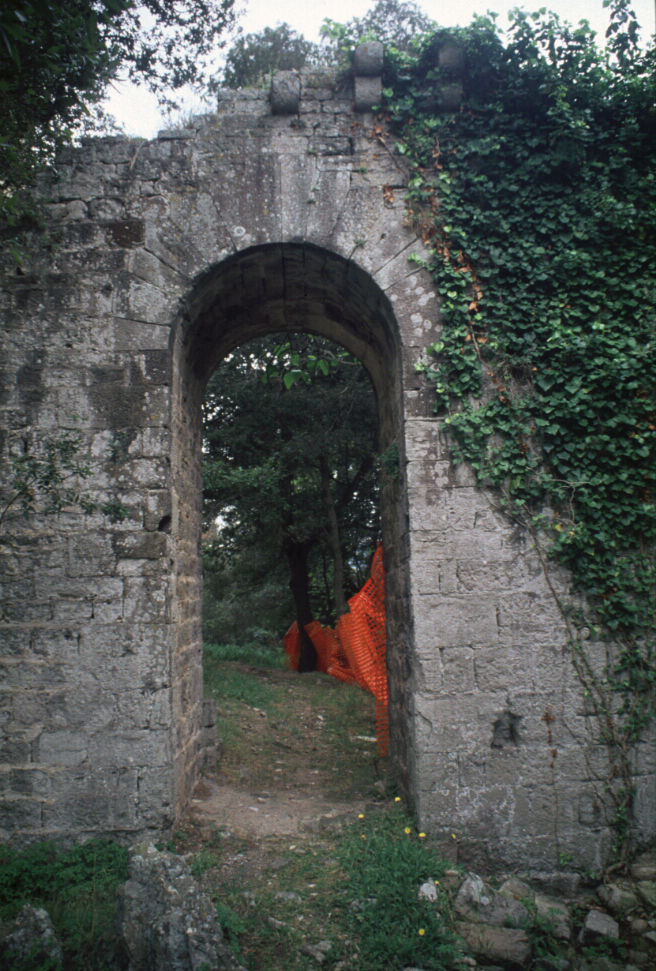
The first stone walled circuit, all along the borders of the the relief, of which parts remain on the southwest and southeast side, was erected in the second half of the 11th century. The stone was used inside the enclosure for the construction of the church, with only one nave, later widened. During the 12th century, in proximity of the church, was built the main tower, used as fortified residence by the counts Della Gherardesca, with wooden floors and covered with a barrel vault in bricks. This area was encircled by a new walled curtain, higher and thicker than the old, of which parts on the west and east sides and the main gate at north remain. The top of the hill was enclosed in a second walled curtain with a unique gate, still intact, opened in the southwest side. Also, the church was again widened and embellished. In the successive century, a new tower was constructed, placed against the preexisting one. Between the 14th and the 15th centuries, the structures were reinforced, but also the abandonment of the first civil buildings. The nucleus of the castle was destroyed in 1447 by the Army of king Alfonso of Aragon during his descent in Maremma.
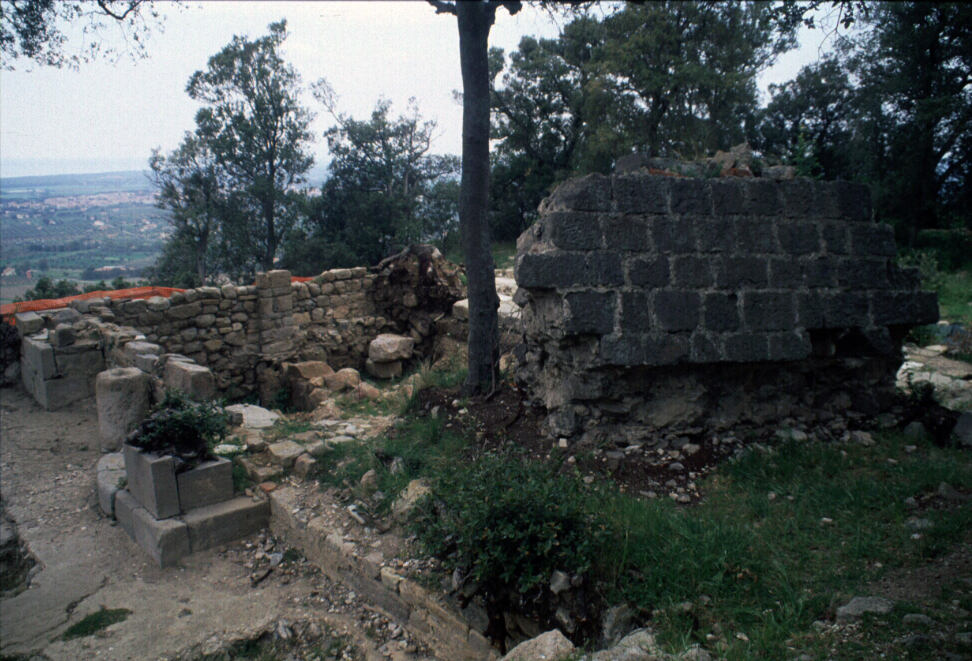
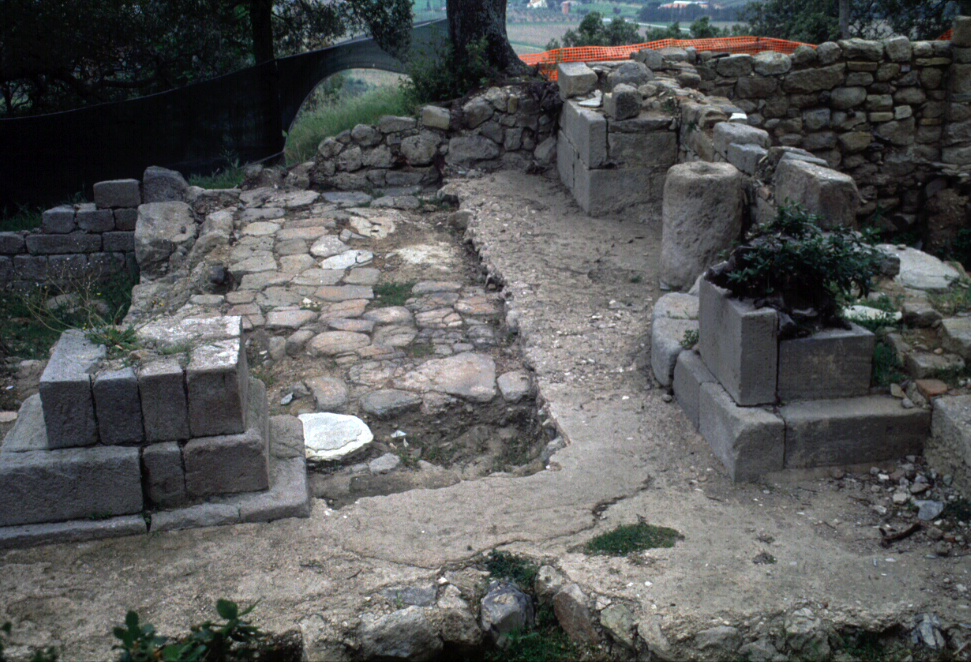
Today the main tower rises for all its primitive height, with the whole southern side and part of the eastern and western still intact. On the east side can be found the second tower . The two buildings represent one of most important examples of medieval architecture of this area and constituted the residence of the castle lord. Of the village, concentrically distributed along the terracing of the hill, are identifiable between the vegetation rests pertaining to many buildings that constituted it. During the recent archeological excavations are returned to the light floors in stone and bricks, the perimetrical church walls and some square columns of the central nave.
More info & notes
Drone on Castello di Donoratico