How to reach
The fortified factory of the Gualchiere is found on the left bank of the Arno, along the SP34 road that connects Florence to Rosano.
History
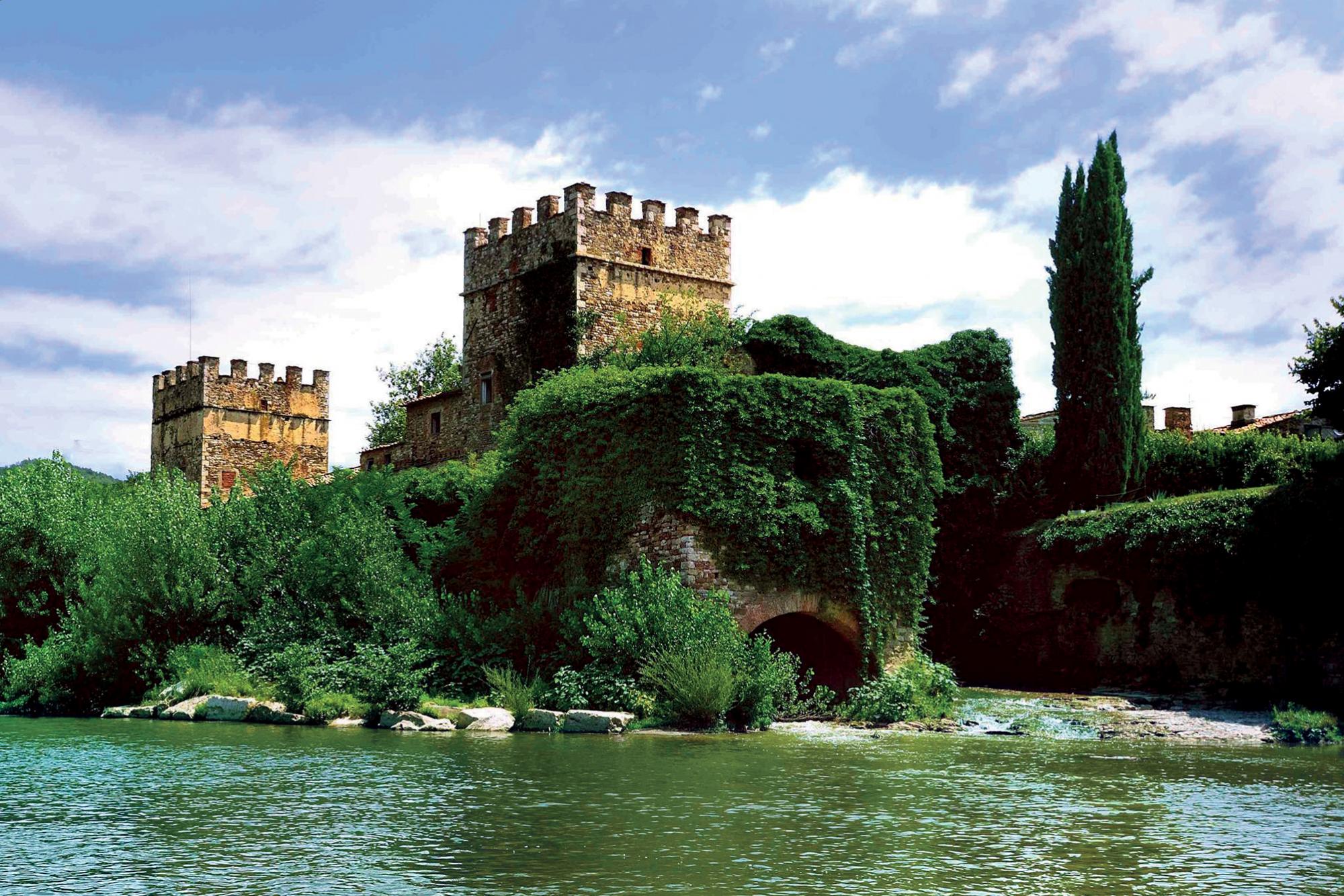
The Gualchiere of Remole was an important medieval factory with a watermill used to transform raw wool into cloth. Belonging to the powerful Florentine family “Degli Albizi” up until 1541, it later belonged to the Wool Guild of Florence. Situated on the left bank of the Arno, only a few kilometers upriver from Florence, the building was structured in such a way as to take full advantage of the driving force generated by the river, used for treating the wool cloth. Its construction is from the middle of the 14th century, even though the first dated mention of it is from 1425.
In 1333, Florence was hit by a huge flood, which, besides damaging the city, also destroyed all the mills and watermills that, during that period, were all located on large wooden rafts anchored to the banks of the Arno. One of the causes of this calamity were these rafts, which, together with the “pescaie” (a barrier across the river that regulates the flow of the river) that fed water to the mills, prevented the natural flow of the river. The Municipality of Florence declared that no new mill or gualchiera could be built for 400 arm lengths south of the Ponte alla Carraia bridge and at least 2000 upriver from the Rubaconte bridge (today Ponte alle Grazie). This decision was actually taken for sanitation reasons, because the continuous noise of the mills day and night disturbed the public peace, and the typical use of urine as a fabric softener for the wool fibers wasn’t a very healthy smell for the citizens to breathe.
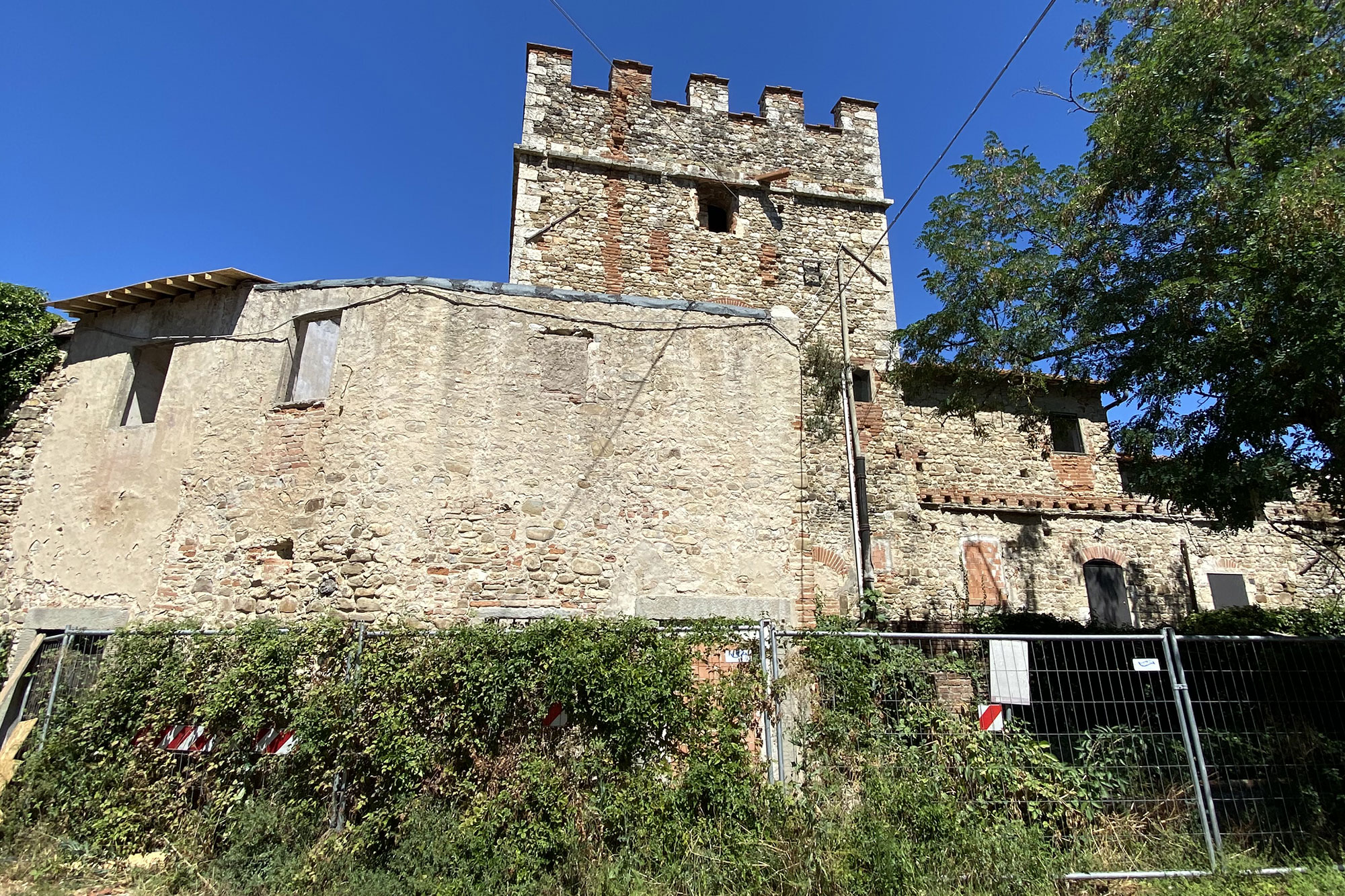
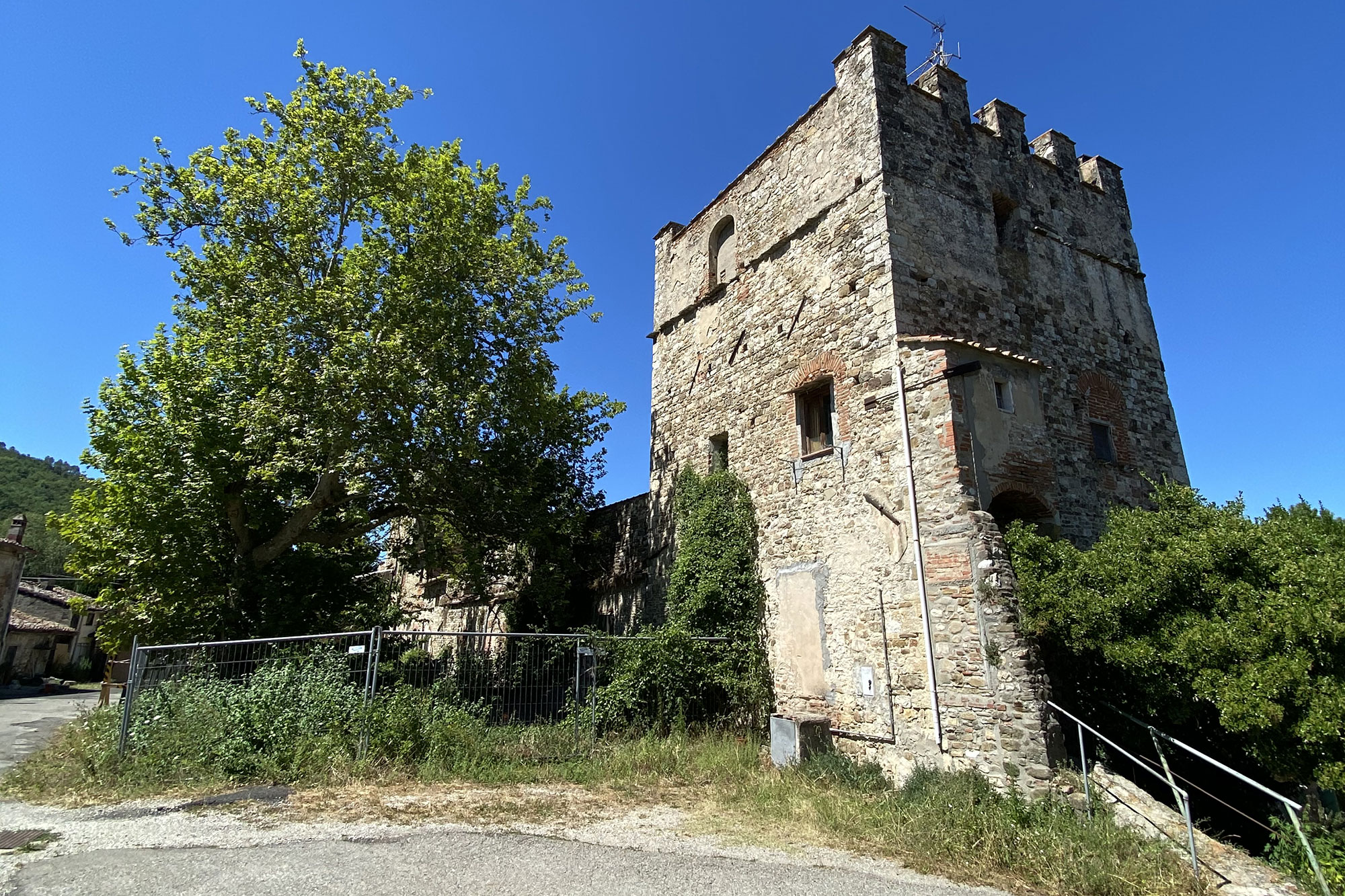
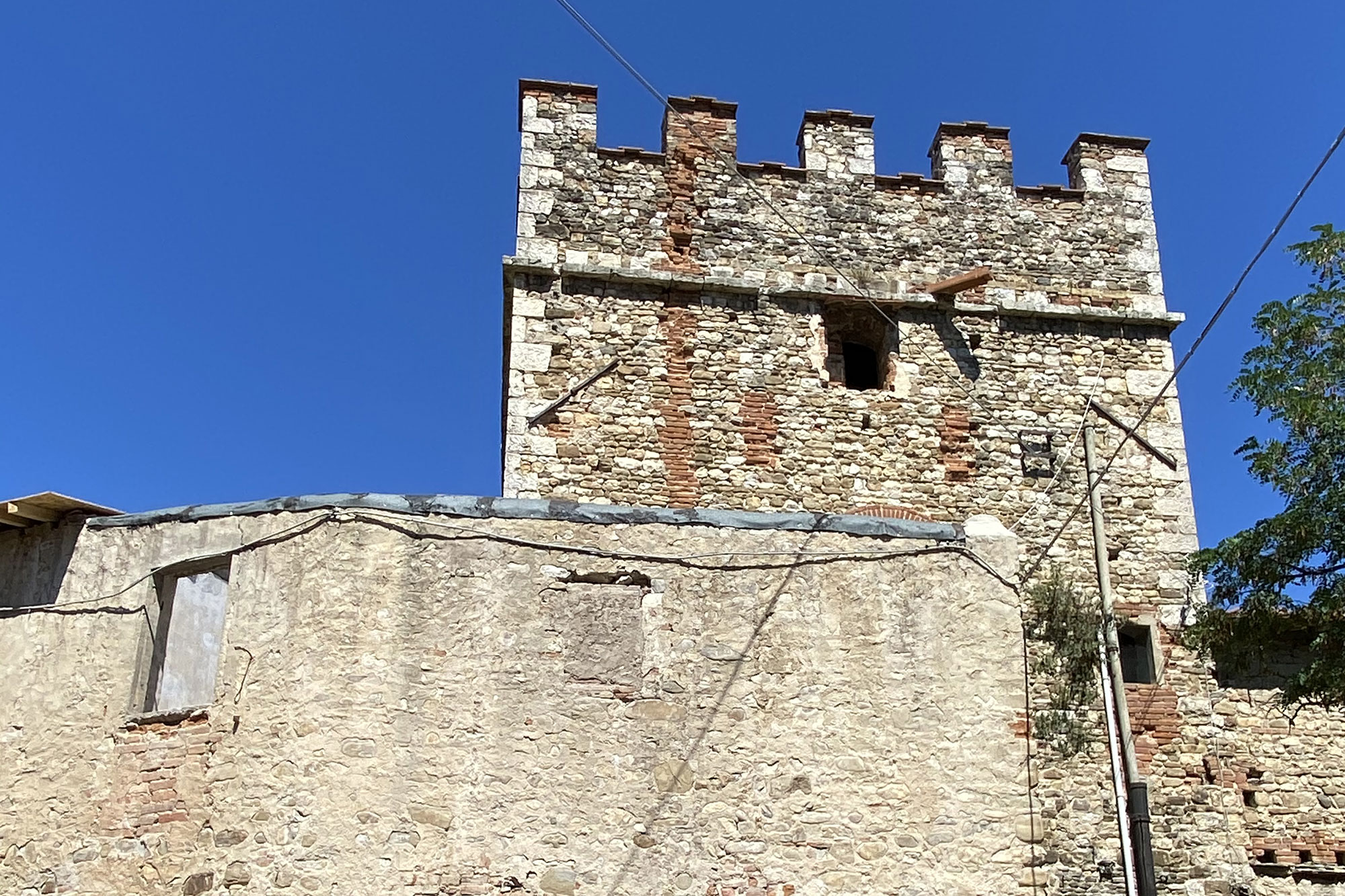
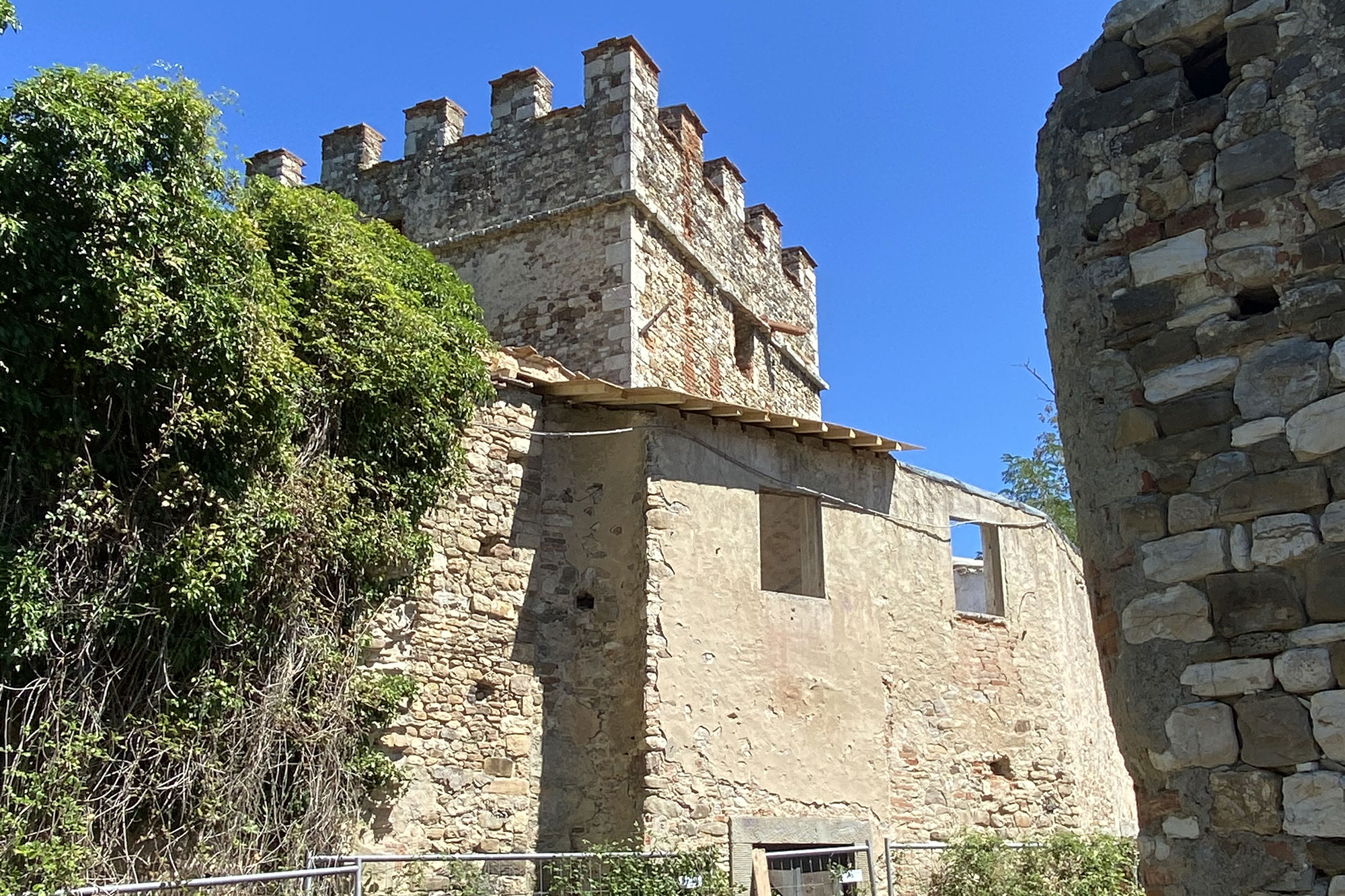
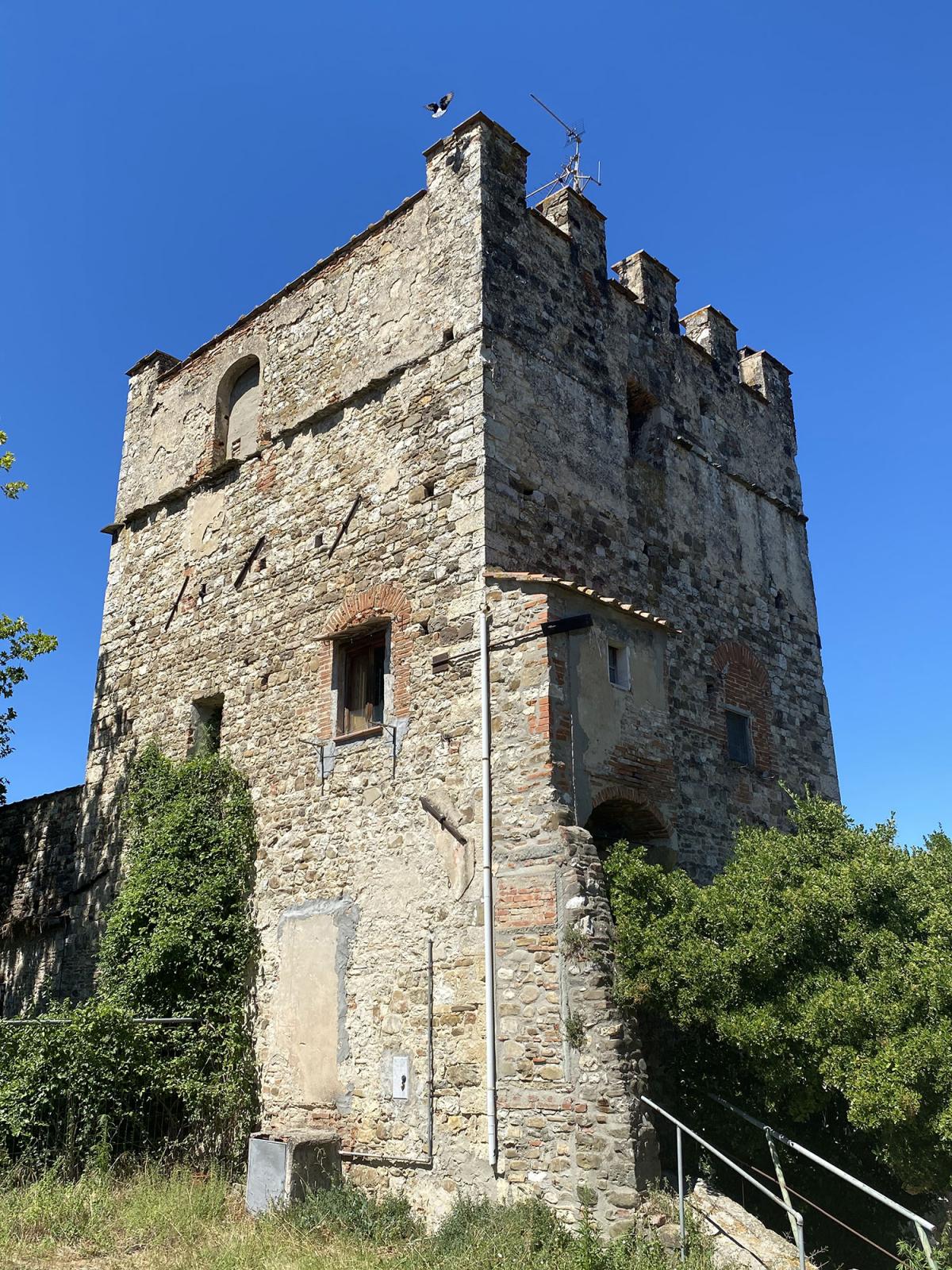
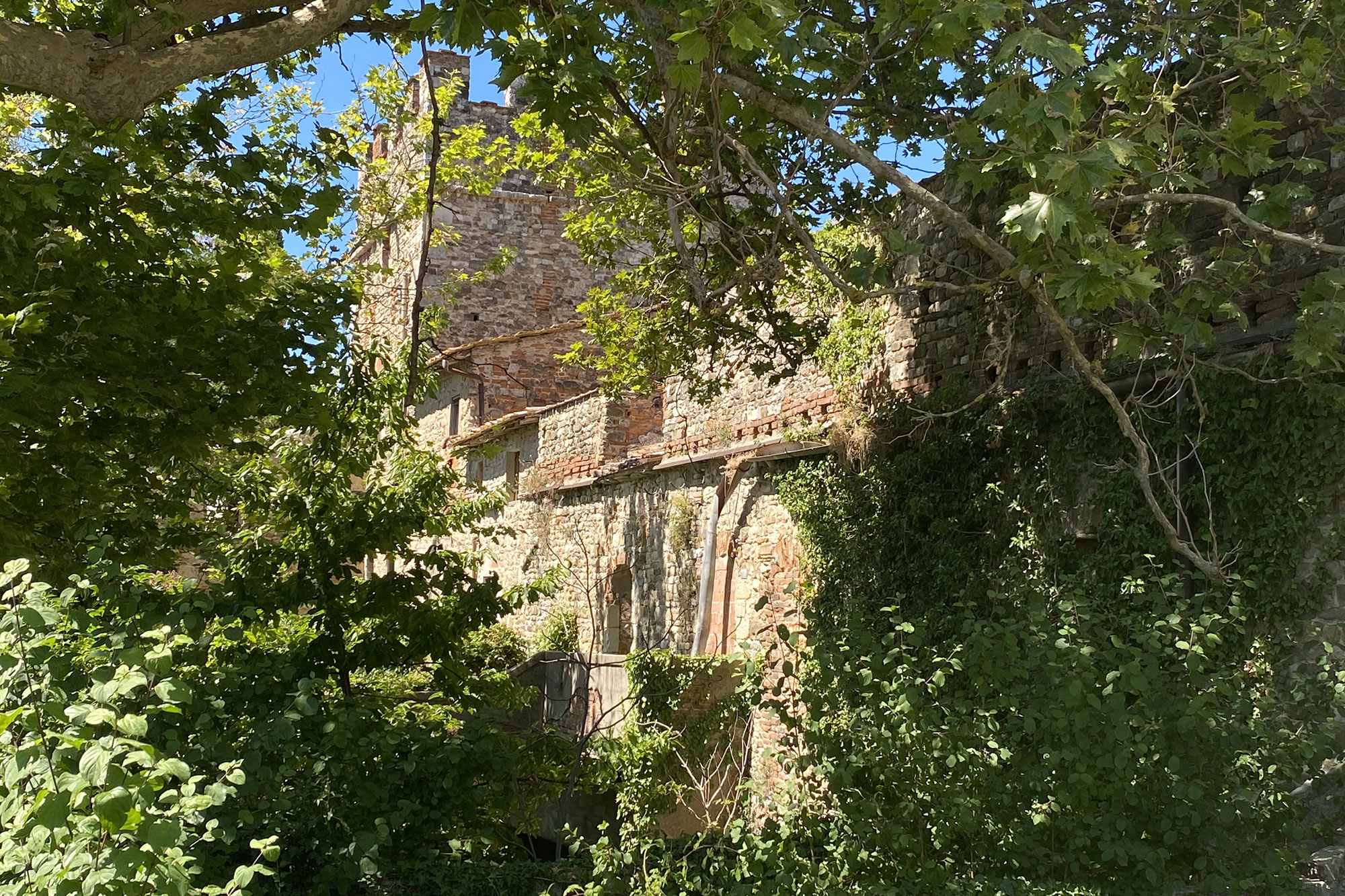
The complex is made up of, other than the body of the main factory with its two crenellated towers, a river barrier, or “pescaia” placed upstream, a waterfall for sending the water towards the canal, and a dock (destroyed during the flood of 1966) for the landing of the ferry that brought the cloth from the opposite locality of Nave di Martelli, where afterwards it went on to Florence on the back of a donkey. The whole complex was surrounded by a wall, and the entrance was by two doors (destroyed by the Germans in 1944 together with a portion of the factory). After having changed its use from mill to paint factory in 1980, the building is no longer in use.
Although it is considered one of the most important examples of pre-industrial European archeology, the actual state of the Gualchiere is in enormous disrepair, even if for years there has been talk of a project never launched to “museumize” the area. It seems as if a process of destruction has been triggered and grows exponentially to the point that the complex is practically a ruin.