How to reach
The castle of Montemassi rises in the municipality of Roccastrada, province of Grosseto, on a hill 280 m. high, at the borders of the northern part of the Grossetana lowland. It can be reached from the north (Florence) following the motorway Florence-Siena until the exit 'Civitella Marittima' then continuing on the road SS223 toward Grosseto. It is around 23 km from the motorway exit.
History
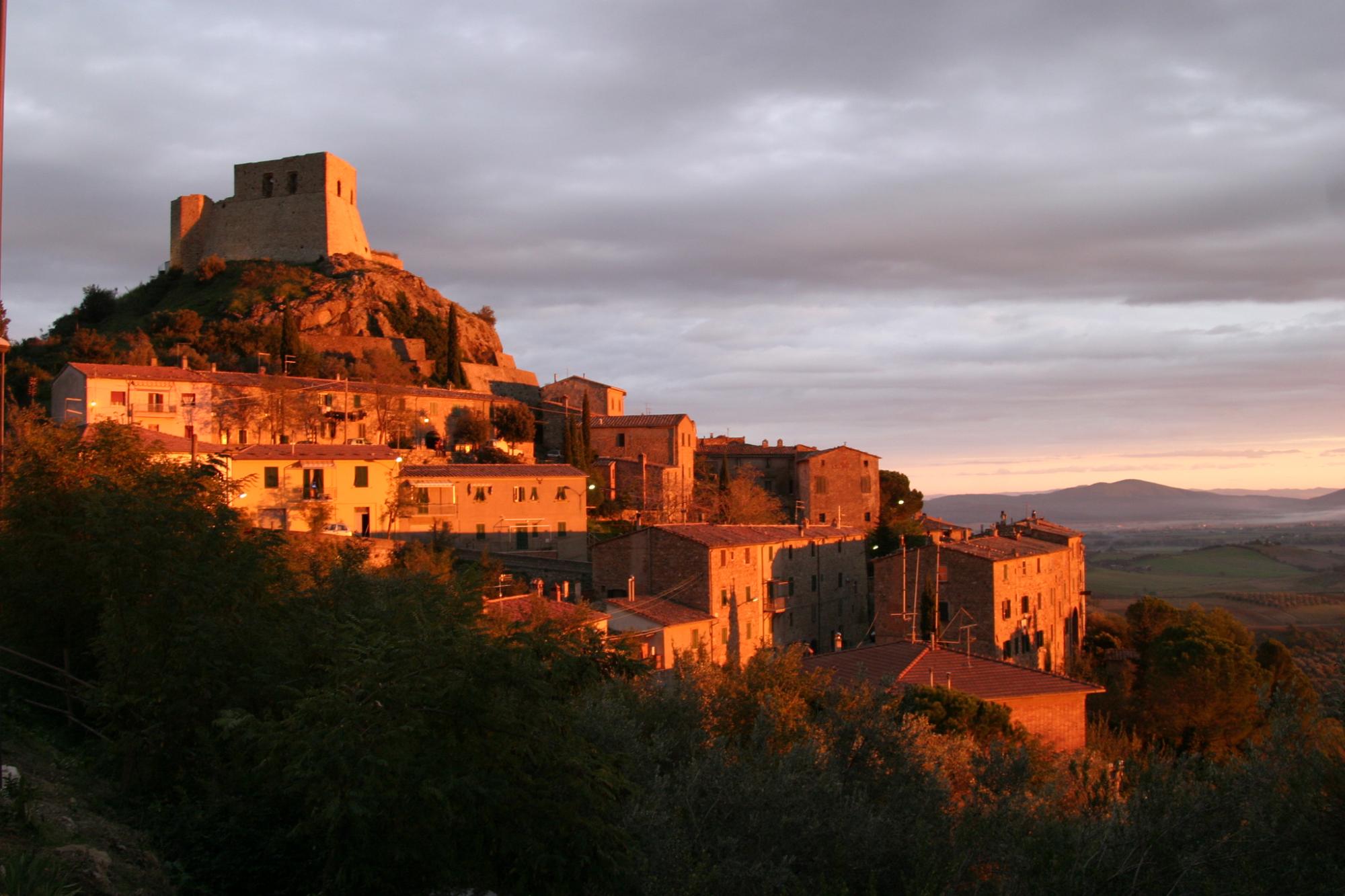
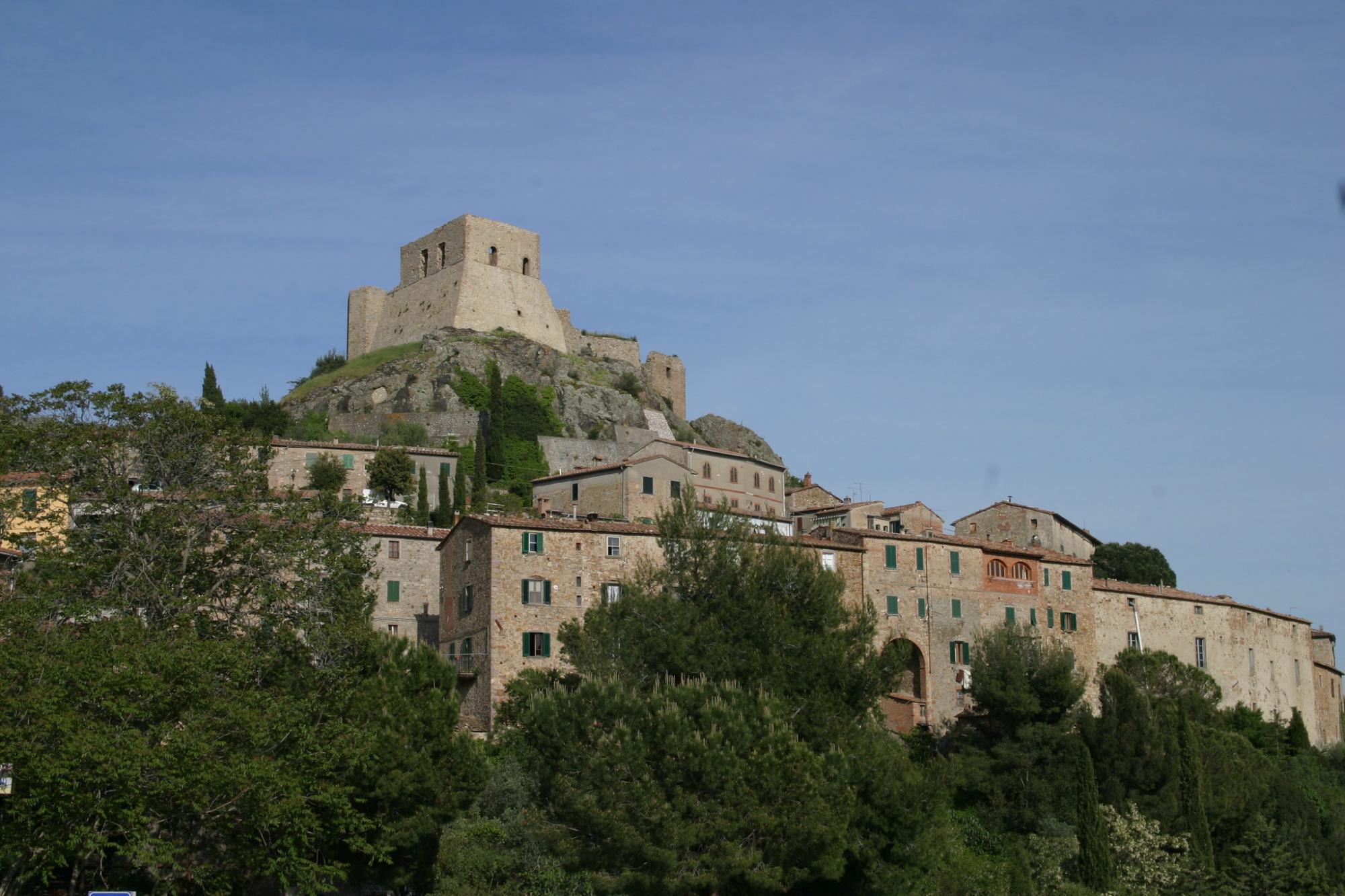
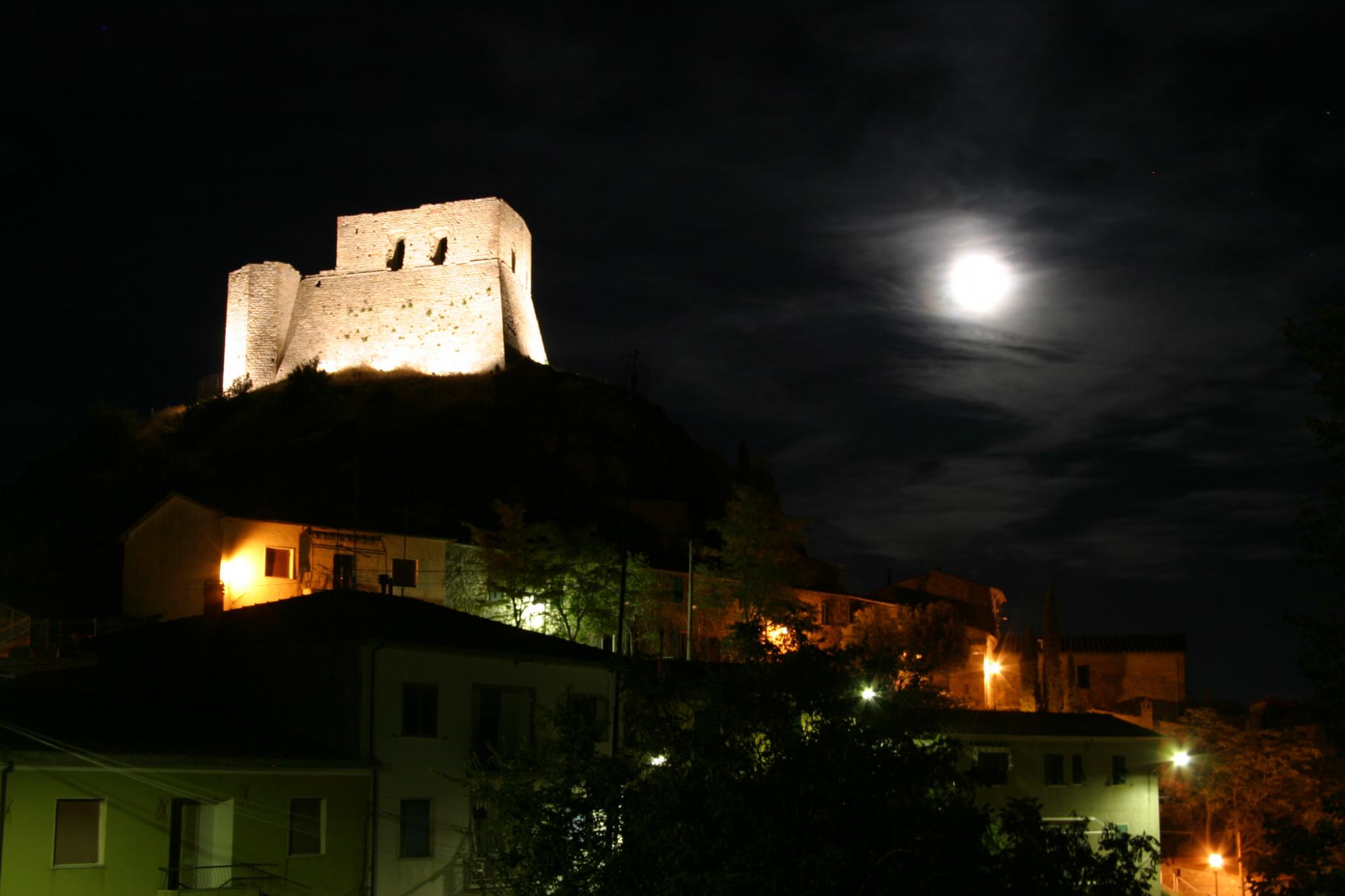
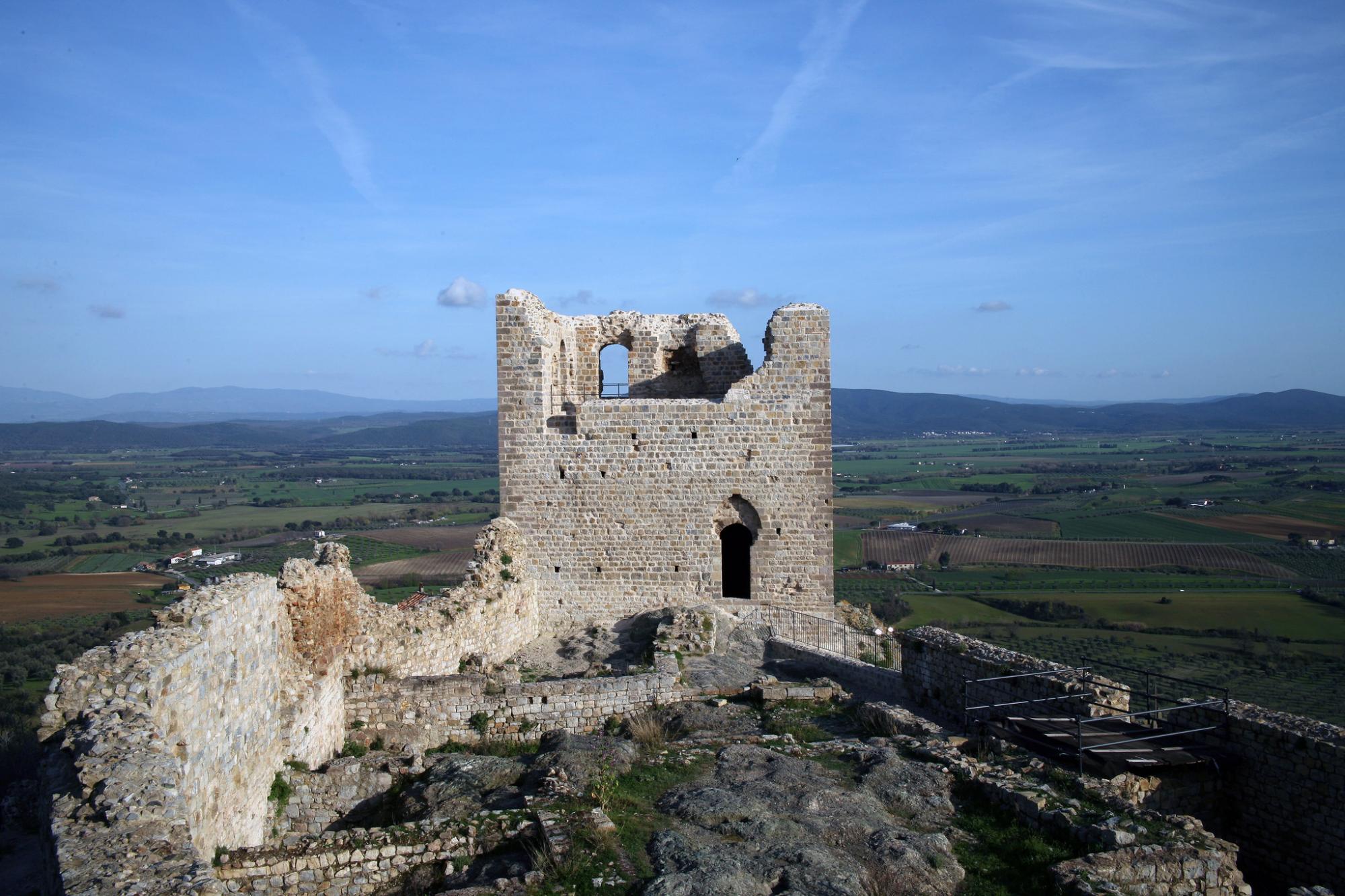
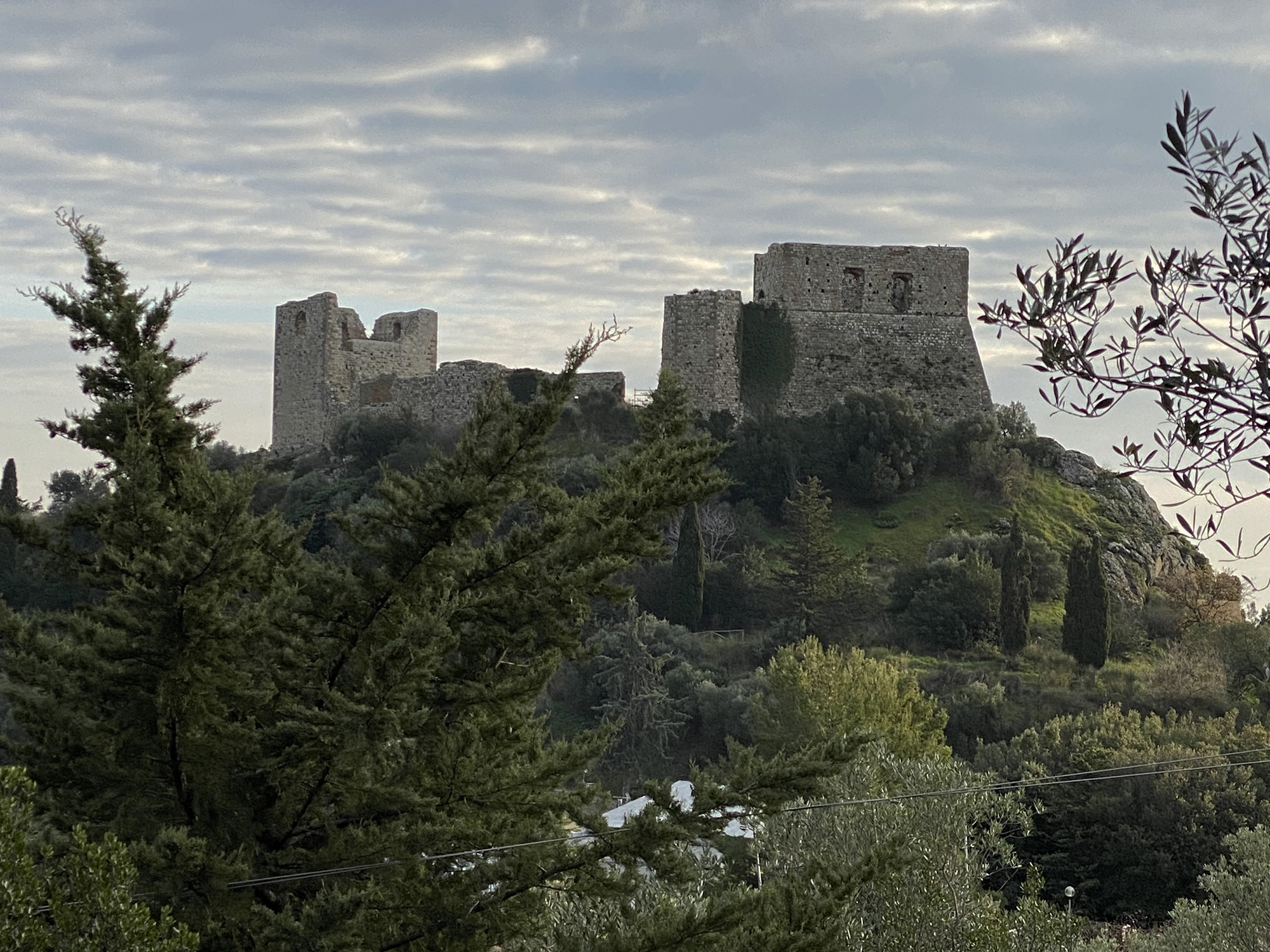
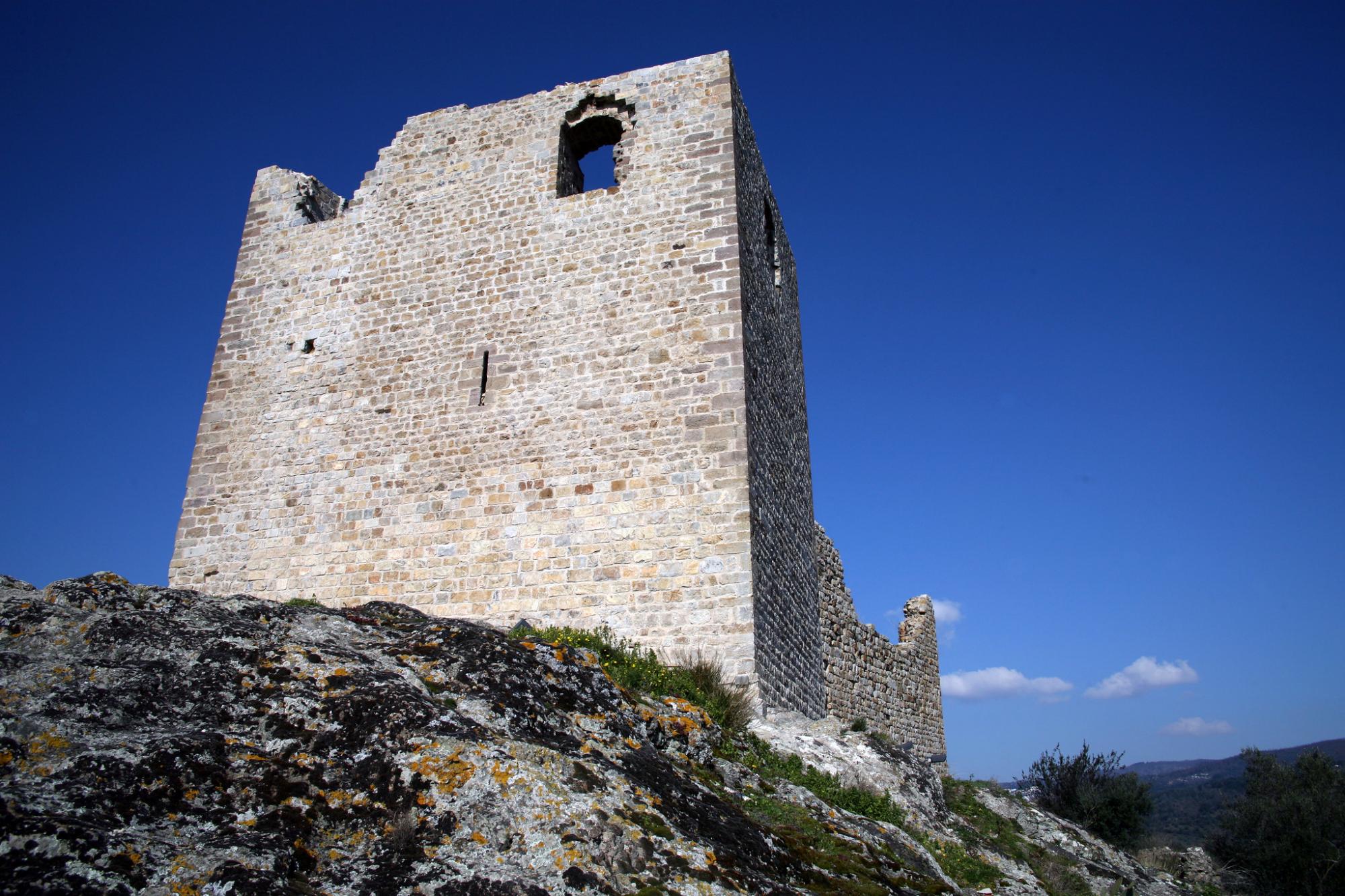
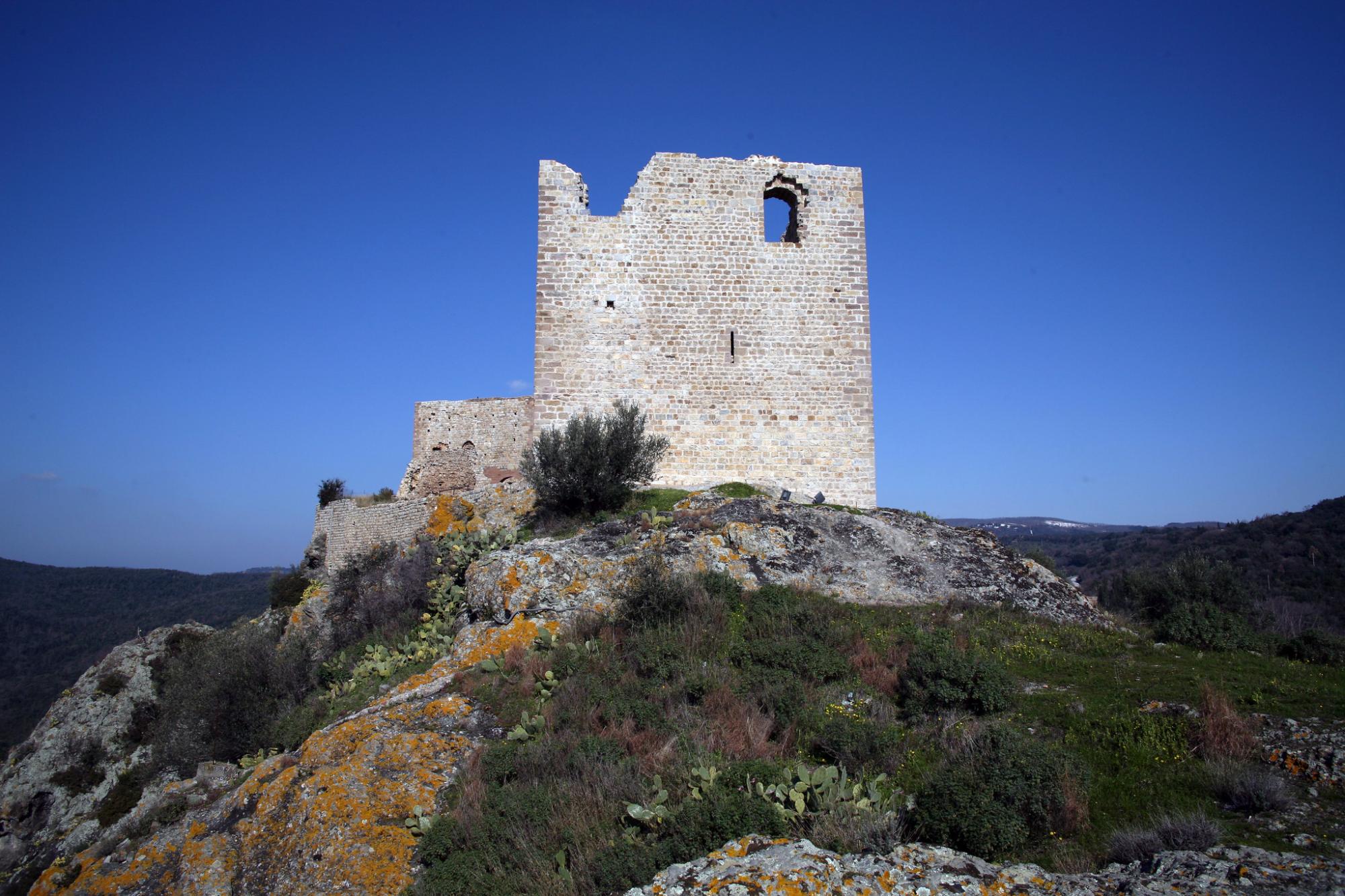
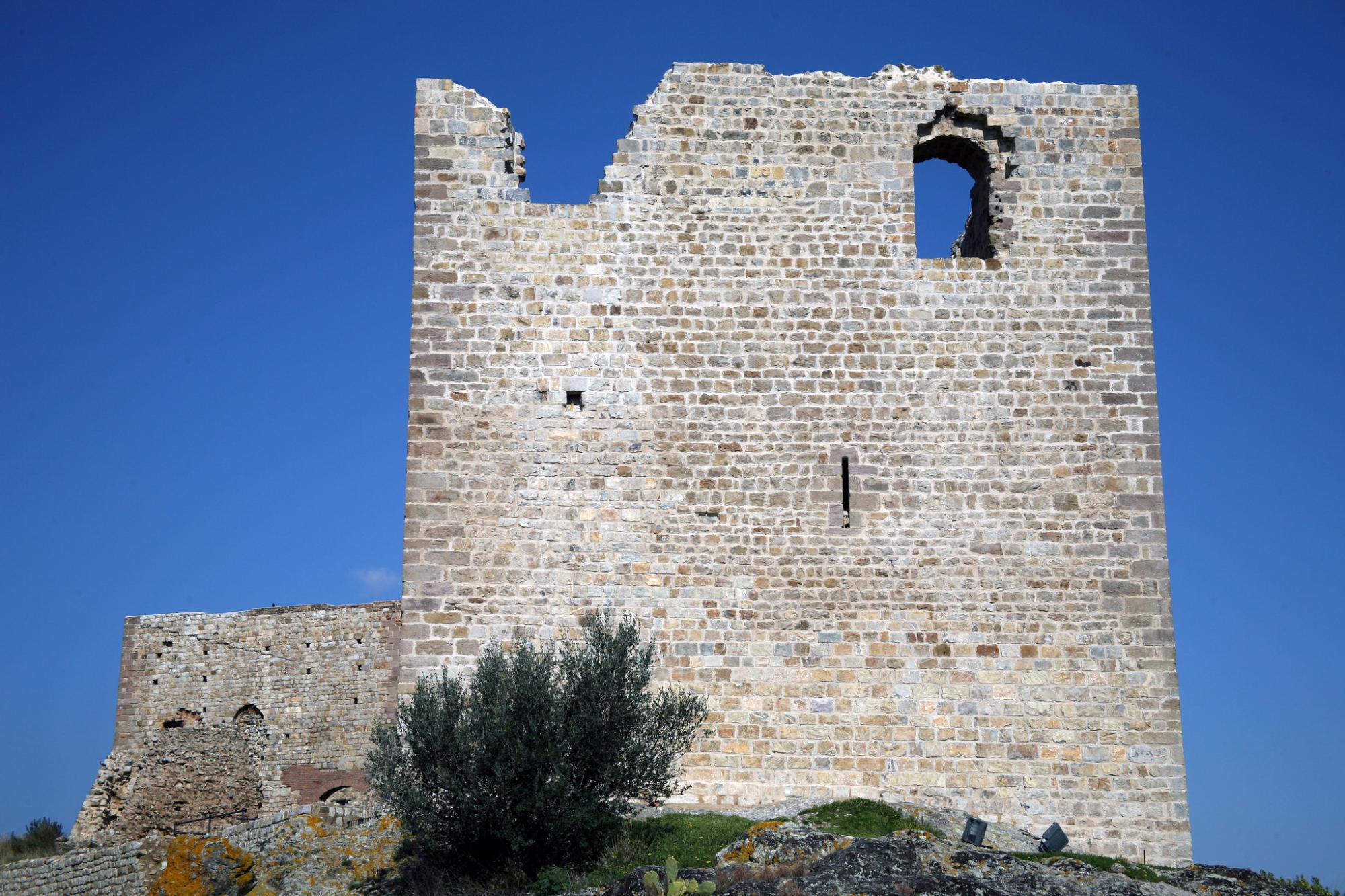
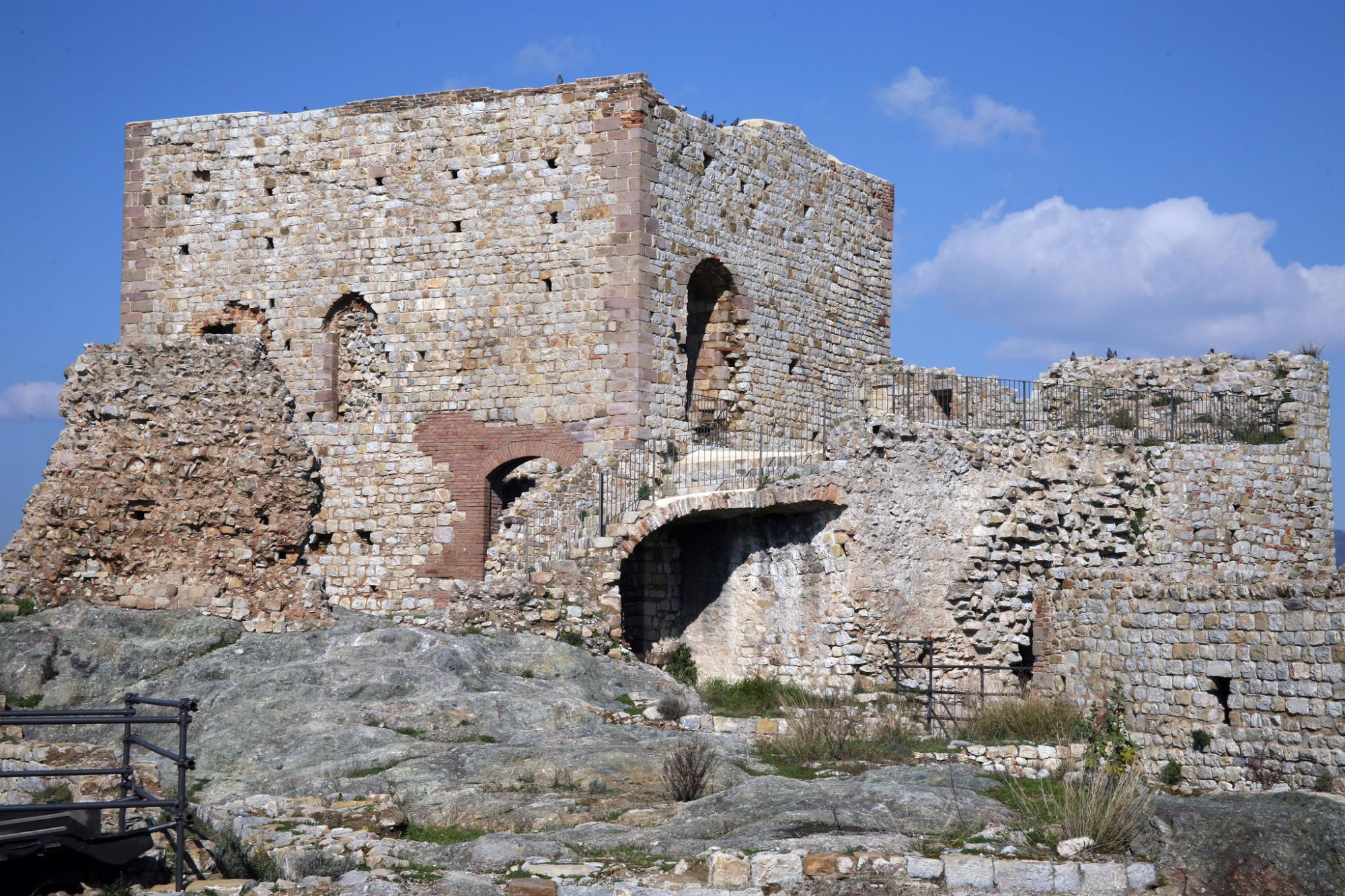
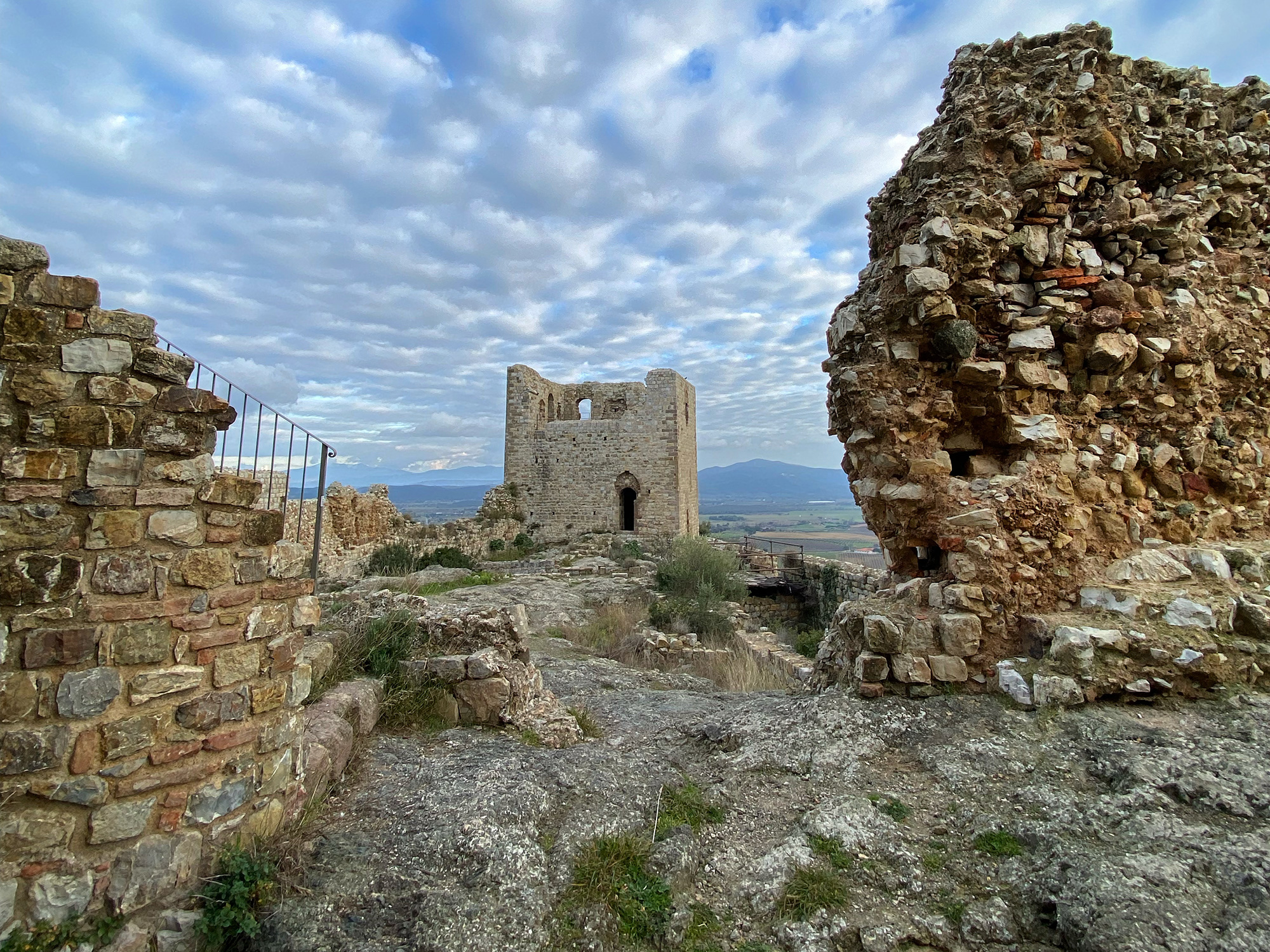
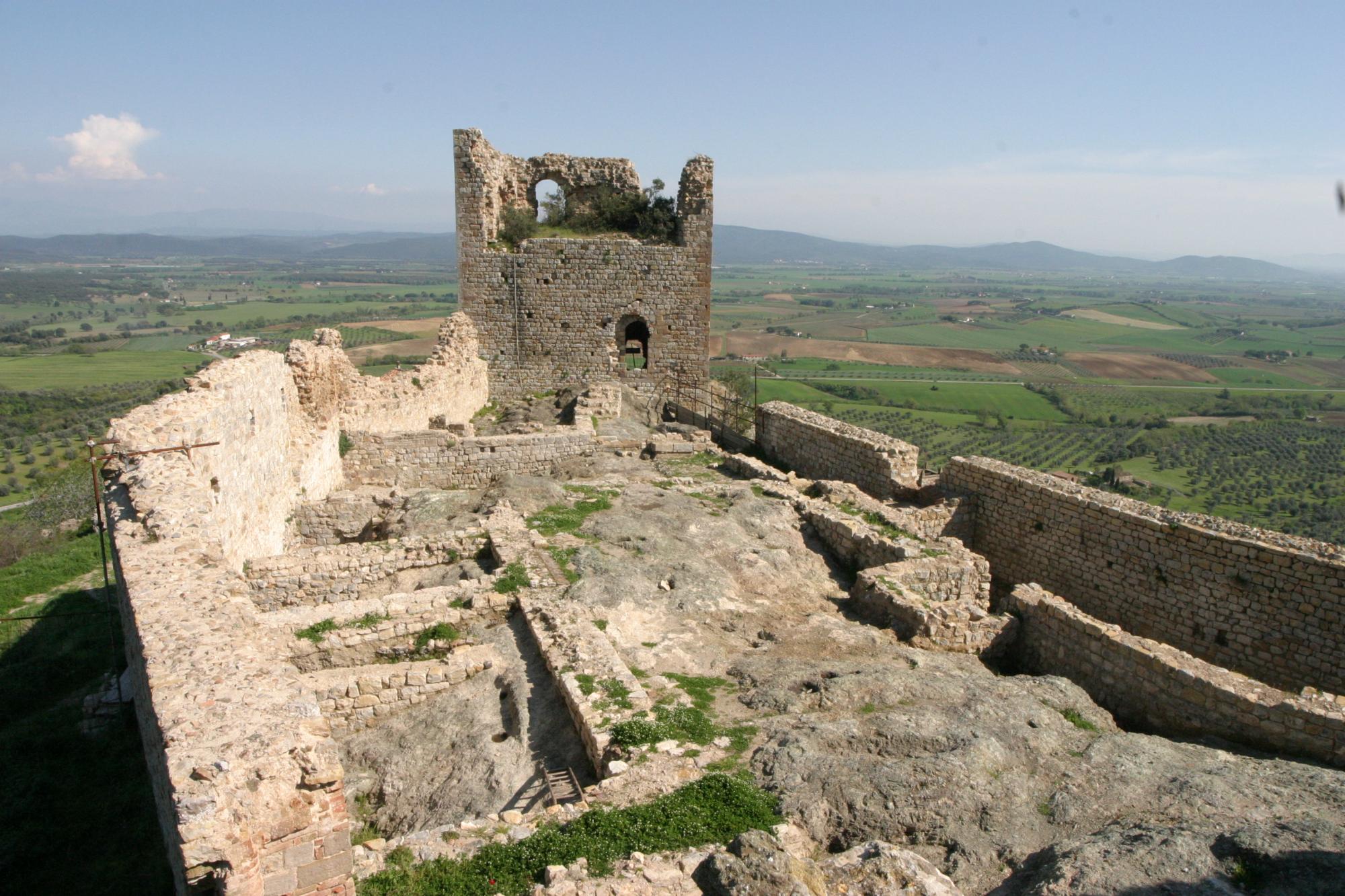
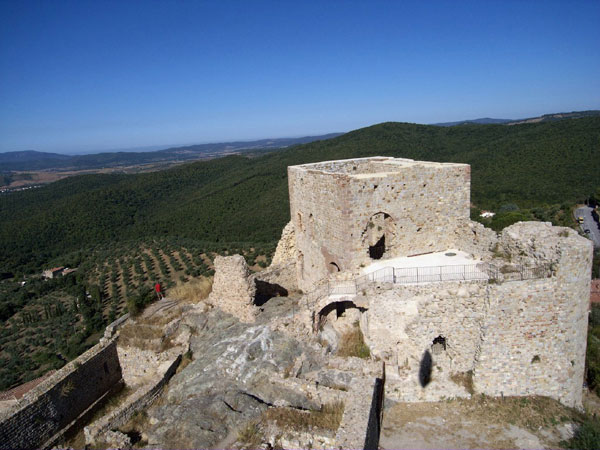
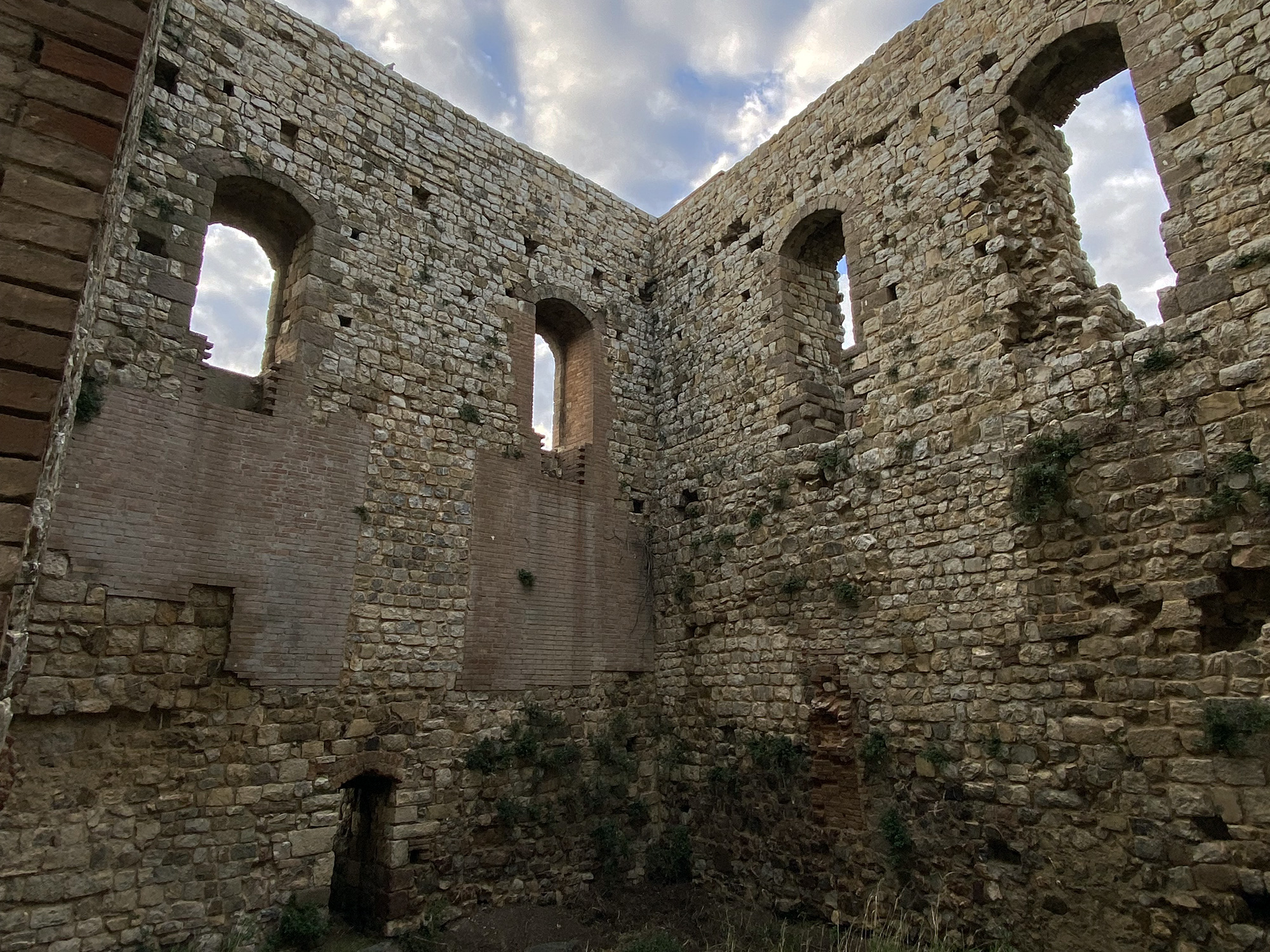
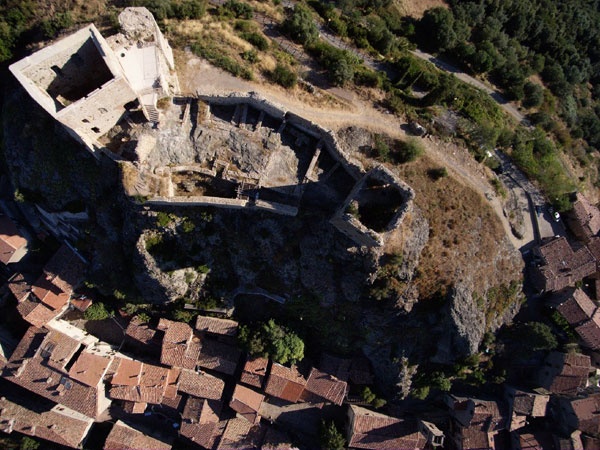
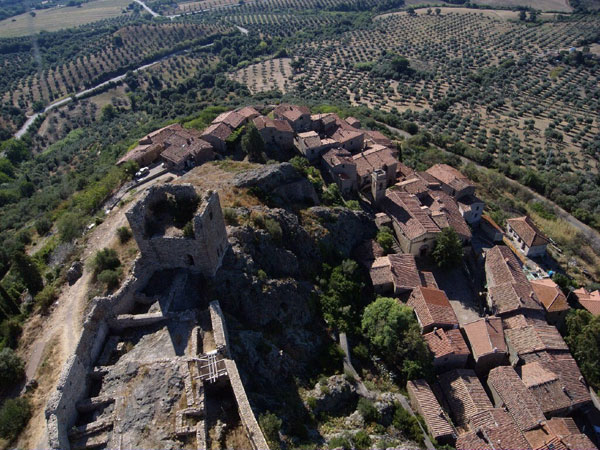
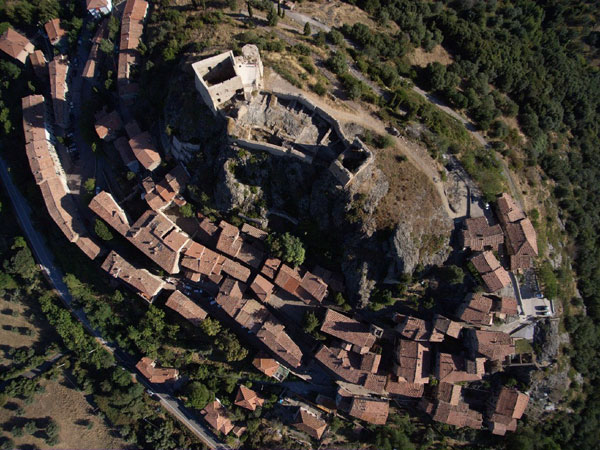
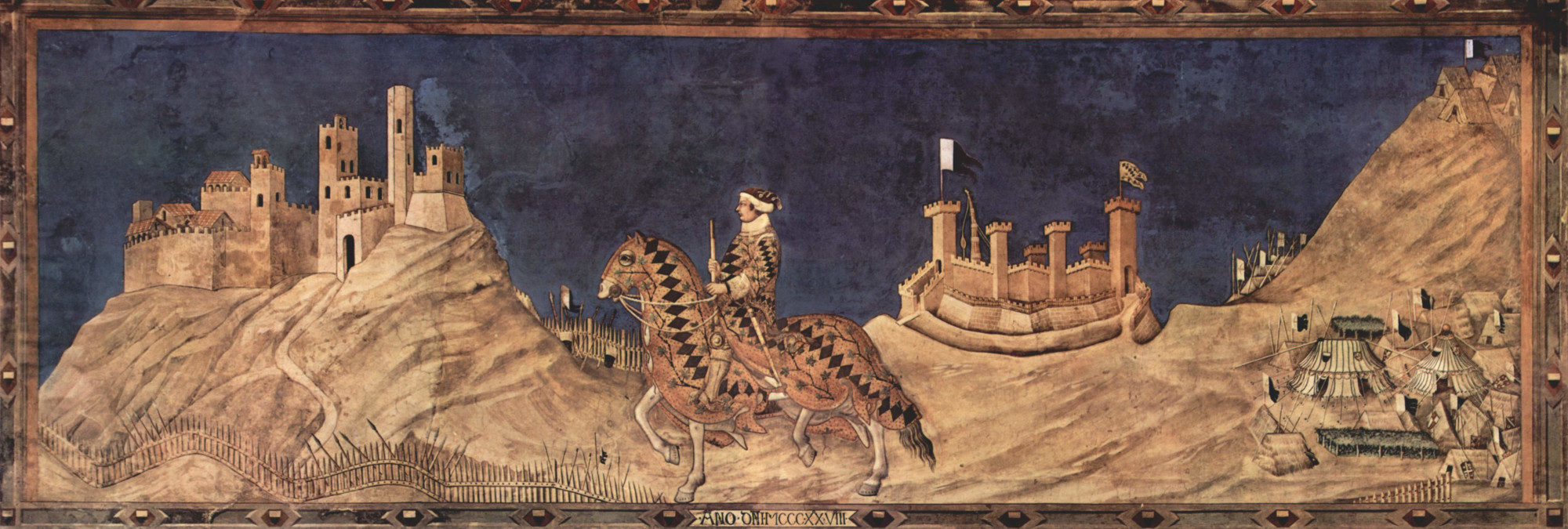
The castle is without doubt the best-known monument in the municipality of Roccastrada, if not in the whole of the Alta Maremma, both for its importance as a historical document (it is depicted in the famous fresco 'Guidoriccio da Fogliano at the Siege of Montemassi' in the Palazzo Pubblico of Siena, attributed to Simone Martini) and as an outstanding example of Gothic architecture. The fortification, which crowns a hill 280 metres above the village, consists of the remains of two main structures: to the north, the Palace/Keep, with the base of its battered (sloping) wall pierced by numerous wide windows that betray a residential rather than strictly military function, along with the remains of a polygonal tower. Inside the Palace, traces can still be seen of the beams that once supported the wooden floors, themselves later additions to an earlier vaulted floor whose remains are still visible. A large water cistern, still plastered with lime today, was later added onto the building. To the south are the remains of a quadrangular tower, equipped with arrow slits, with surviving masonry vaults and finely worked corbels.
Montemassi is first recorded in history in 1076 as the property of a certain Count Ildebrando. During the 13th century the castle became part of the holdings of the powerful Aldobrandeschi family, and, among the many strongholds they owned in the Maremma, it was one of their most important. In 1260 the fortress was almost completely demolished during a siege. In 1306 the castle came under the vassalage of the Counts Pannocchieschi, who held extensive territories in the north-western part of the county. What we see today is therefore, for the most part, the result of building work carried out by the Pannocchieschi family and later by the Verdelli family.
In December 1327 the Cappucciani, lords of the castle, broke their agreements with Siena, and with the support of Castruccio Castracani degli Antelminelli, lord of Lucca, Montemassi rebelled against the Sienese Republic. Siena responded by sending its captain of war, Guidoriccio da Fogliano, who laid siege to the fortress starting on 3 April 1328: the Sienese forces, initially made up of around 200 knights and 600 foot soldiers, built a trebuchet and a battifolle (a wooden bastion surrounded by a series of palisades) to tighten the siege around the fortress. The confrontation dragged on for almost five months, culminating in the decisive clash of 25 August, when Siena deployed far larger forces (around 900 knights and 9,000 foot soldiers, by some accounts) against the 600 Lucchese knights who had come to relieve the besieged garrison. The castle surrendered on 27 August 1328, with a guarantee of safety and a payment of 1,000 florins to its inhabitants. The victory carried enormous political weight for Siena, allowing it to contain Castruccio Castracani's expansion in the region: this is the very episode celebrated in the famous fresco by Simone Martini in the Palazzo Pubblico of Siena mentioned above (though it should be noted that the attribution of the work to the Sienese painter is not unanimously accepted by all art historians). The Republic then granted Montemassi lordship to the Salimbeni family (see also the Rocca di Tentennano), who lost it in 1375 following a failed rebellion.
It was subsequently sold and held for seven years to Mino Verdelli for 800 florins; having passed once again to the Republic of Siena in 1404, the decision was made to dismantle the fortress in order to prevent any future rebel from using it as a base against the Republic. Ferdinando II of Tuscany, by decree of 19 September 1632, granted Montemassi as a fief to Giovanni Cristofani Malaspina of Mulazzo. On 7 April 1770 the Malaspina family sold it to Marquis Domenico Cambiaso of Genoa, after which the castle was gradually left to fall into ruin. Today the entire complex is in a state of disrepair, although in recent years several phases of excavation and restoration have been carried out (which also brought to light the foundations of a church within the walls), and a full recovery of the complex is planned.
In July 2007 the consolidation of the keep was completed, including the restoration and safety upgrade of a staircase providing access to the platform above the cistern. During 2008 the municipality also purchased the south tower (or Tower A) and the surrounding areas, allocating around €250,000 for restoration work, which began in November 2008 and was completed in January 2010.
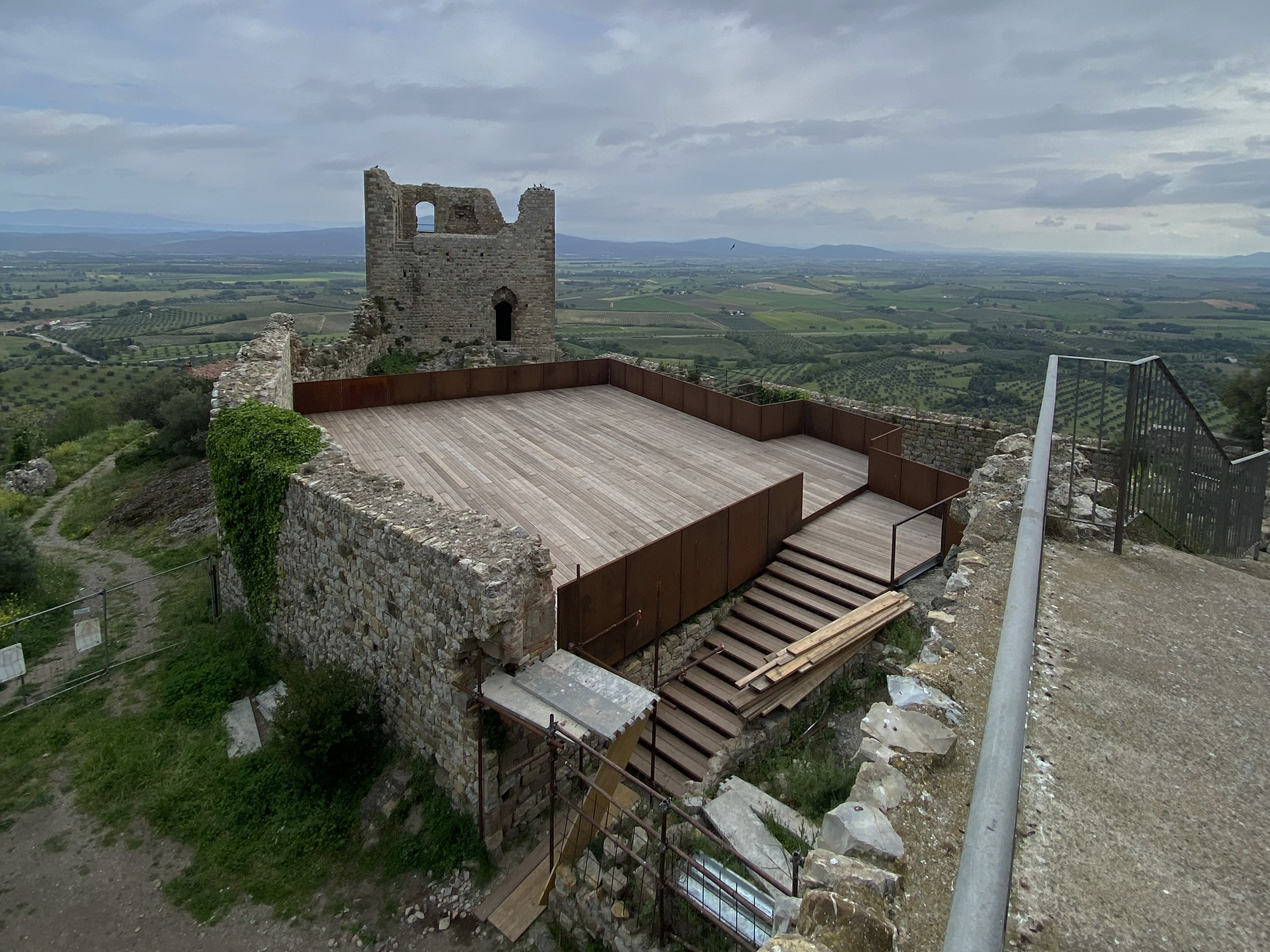
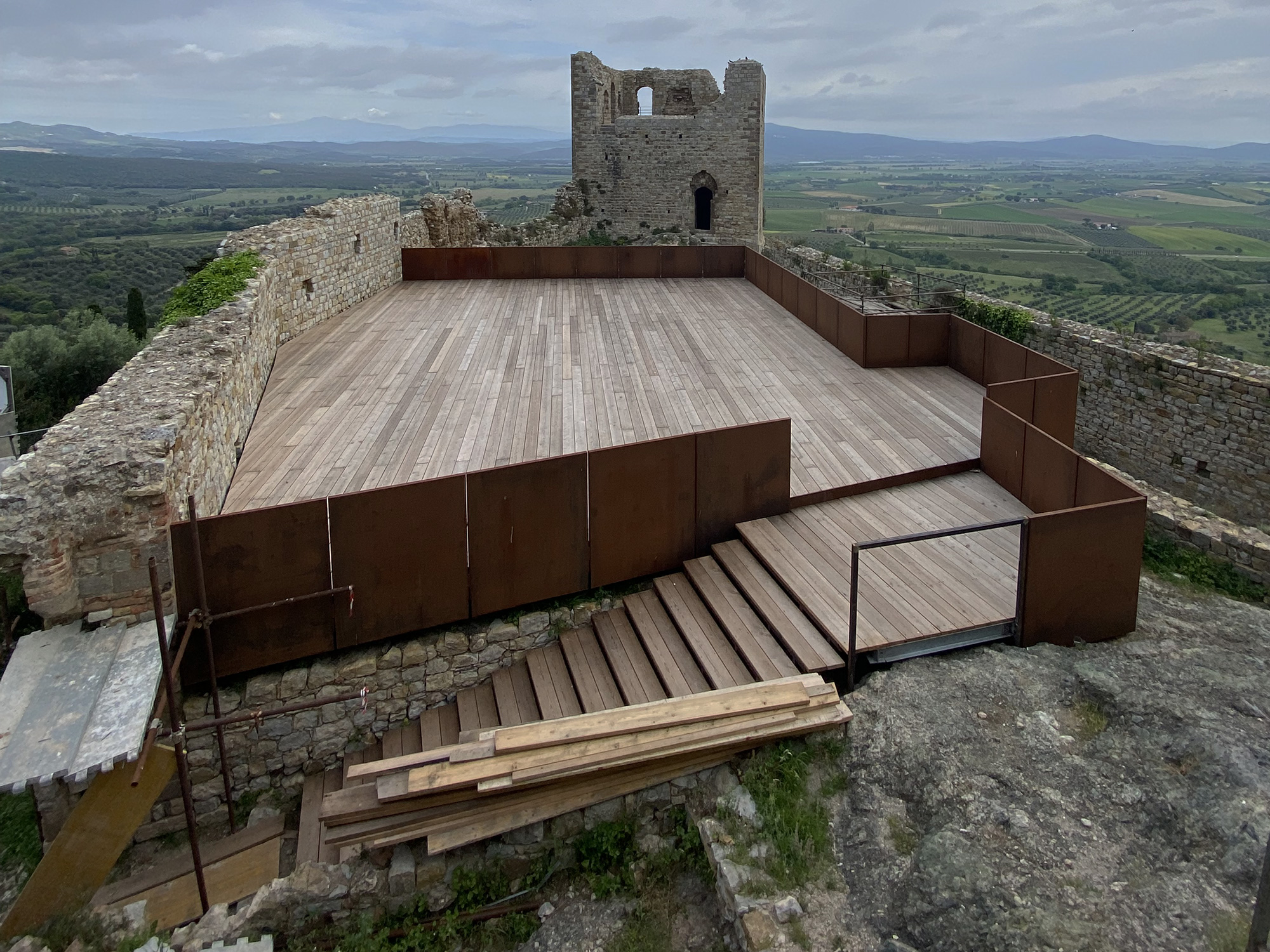
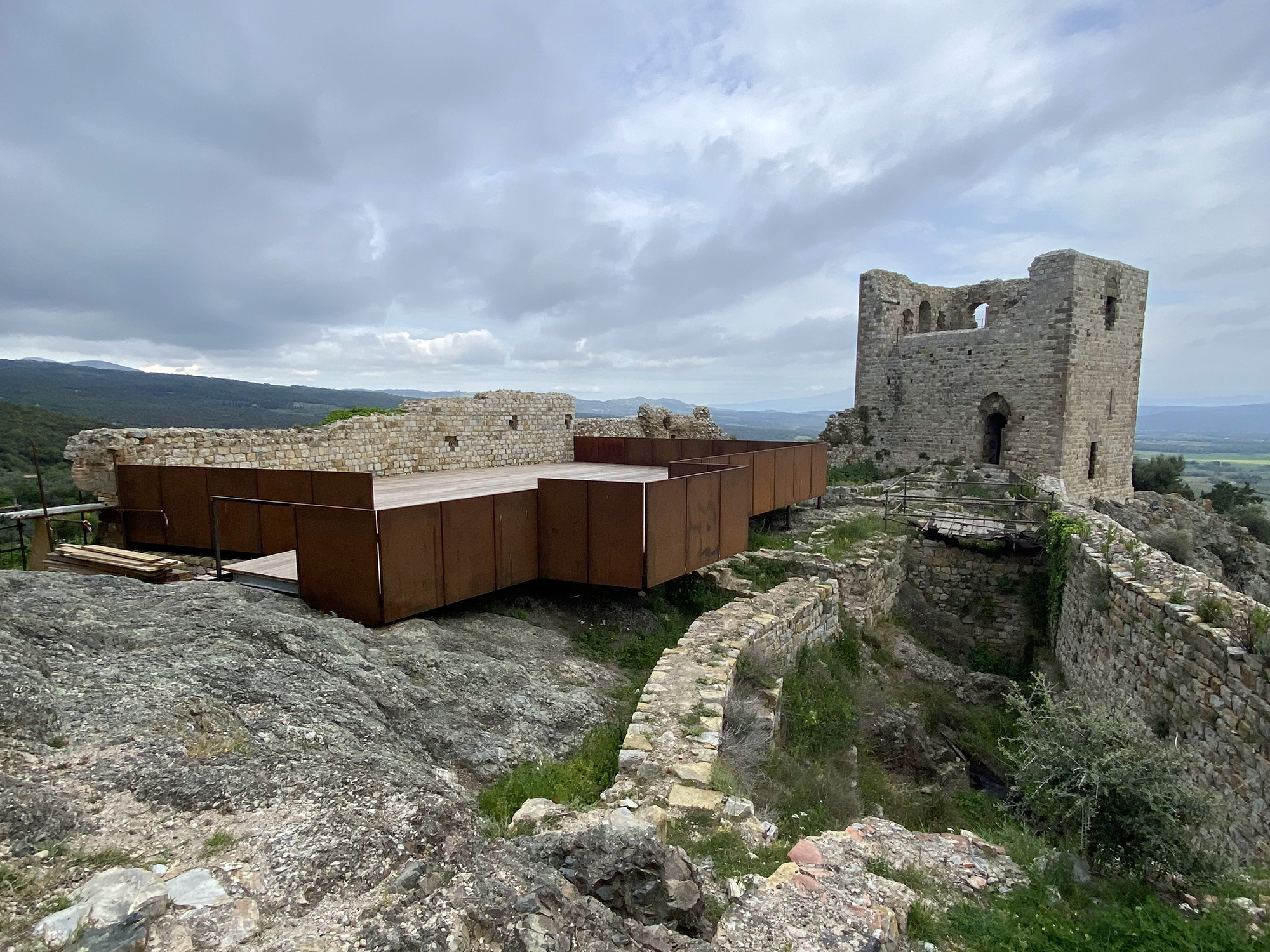
In July 2023, questionable redevelopment and enhancement works on the area inside Montemassi Castle were completed; the castle has once again become safely usable for the cultural events organized by the Municipal Administration. However, the stage that was installed has completely obliterated the underlying archaeological context (the apsidal church and the burials uncovered during the archaeological investigations of the early 2000s), making the castle's history inaccessible to visitors. The tower and the walls have, for now, been left outside the scope of this intervention.
Author's note: in my personal opinion, the installation placed in the middle of the courtyard is out of place given its size and positioning relative to the surrounding historical context (you can judge for yourselves by viewing the last three photos in the gallery).
The historic center of Montemassi is very picturesque, having retained to this day the appearance of a compact, pine-cone-shaped hilltop village ("borgo a pigna"), even though no trace remains of the walls that once protected it and connected it to the castle, these having largely been absorbed into the surrounding houses, with the exception of one gate.
Aerial photos by Opaxir: https://www.flickr.com/photos/opaxir/
More info & notes
Montemassi from the drone: