

How to reach
Monteriggioni is around the midpoint between Siena and Colle Valdelsa. It's easily reachable with the Firenze-Siena motorway.
History
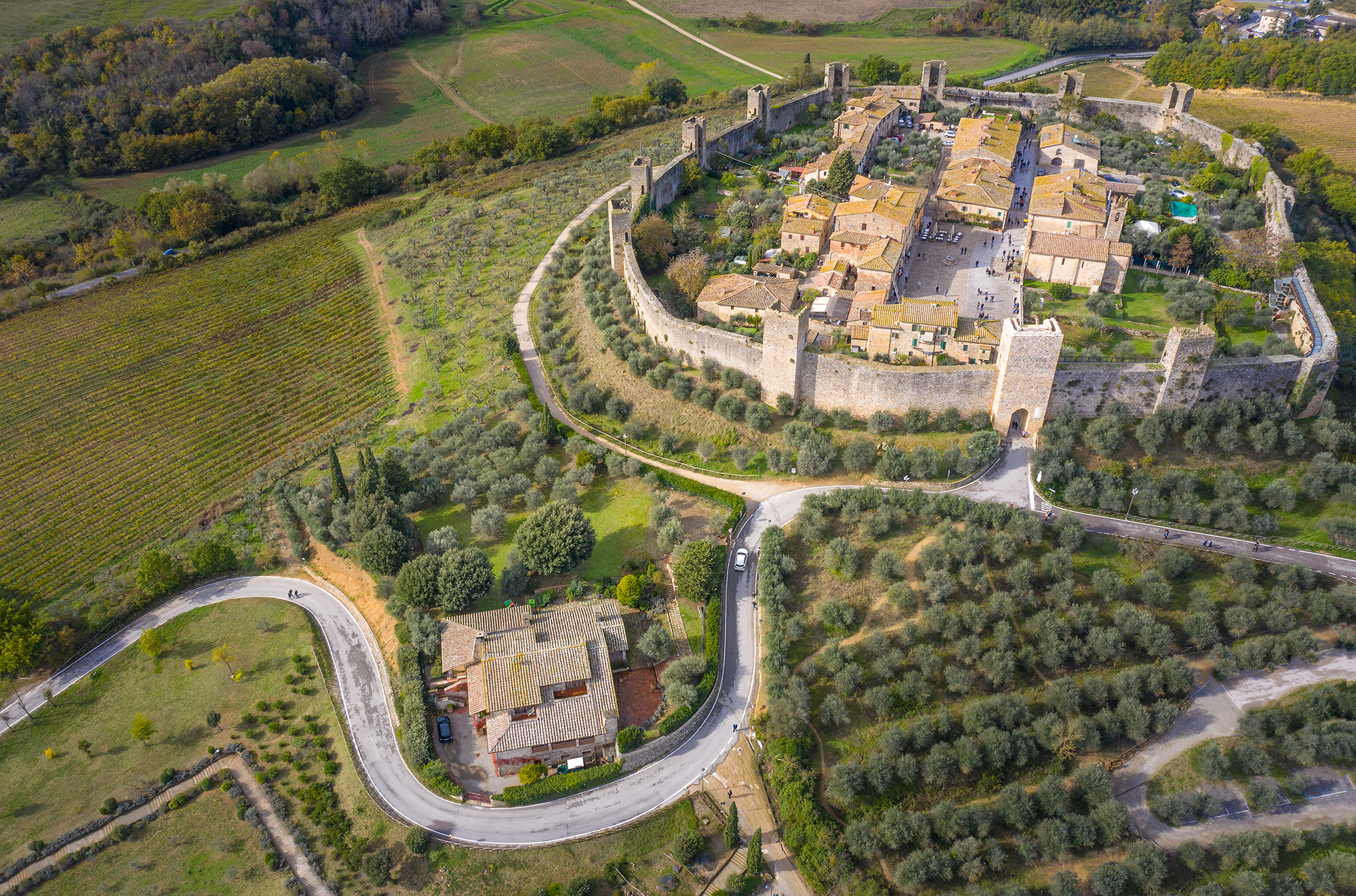
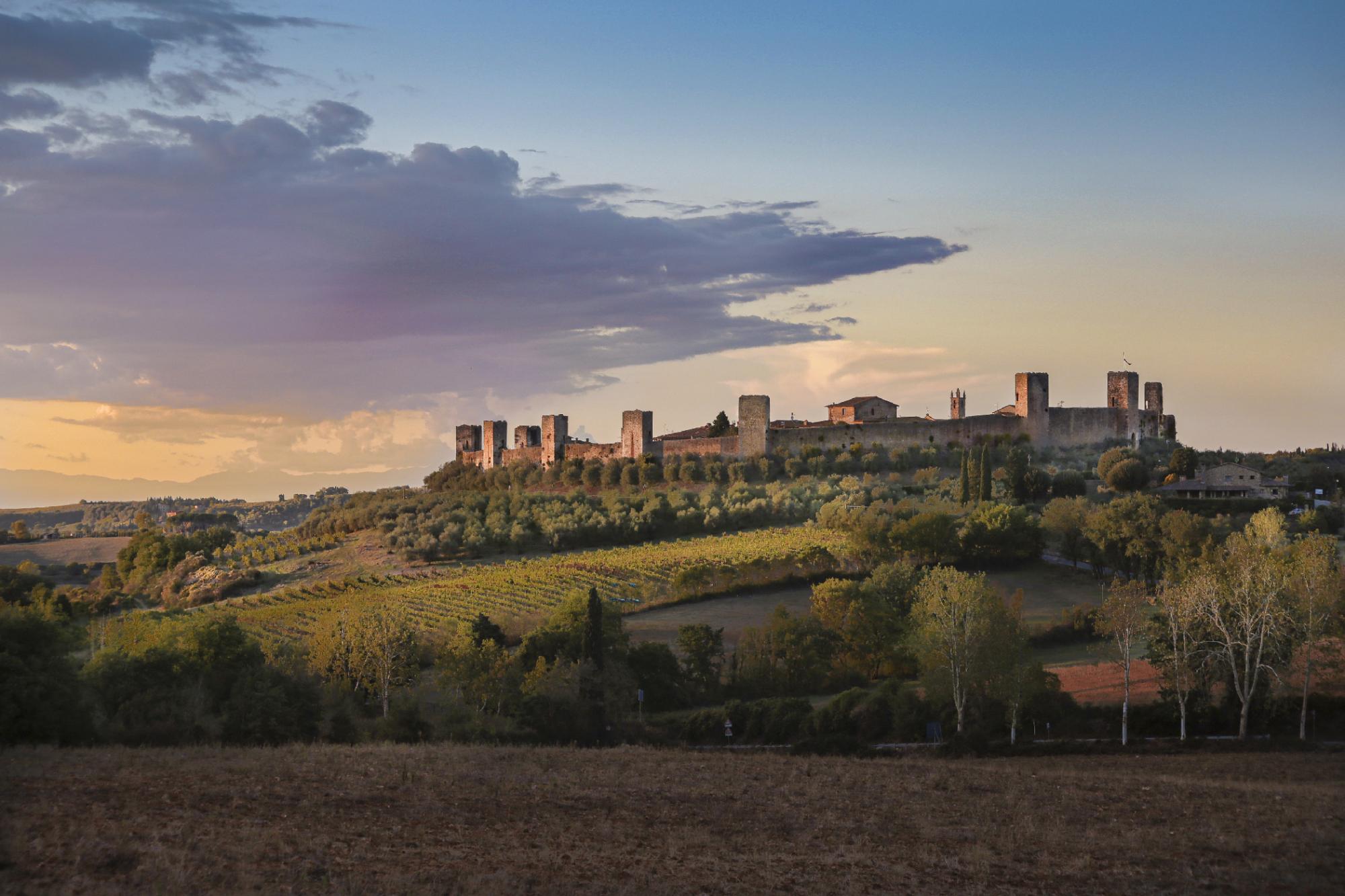
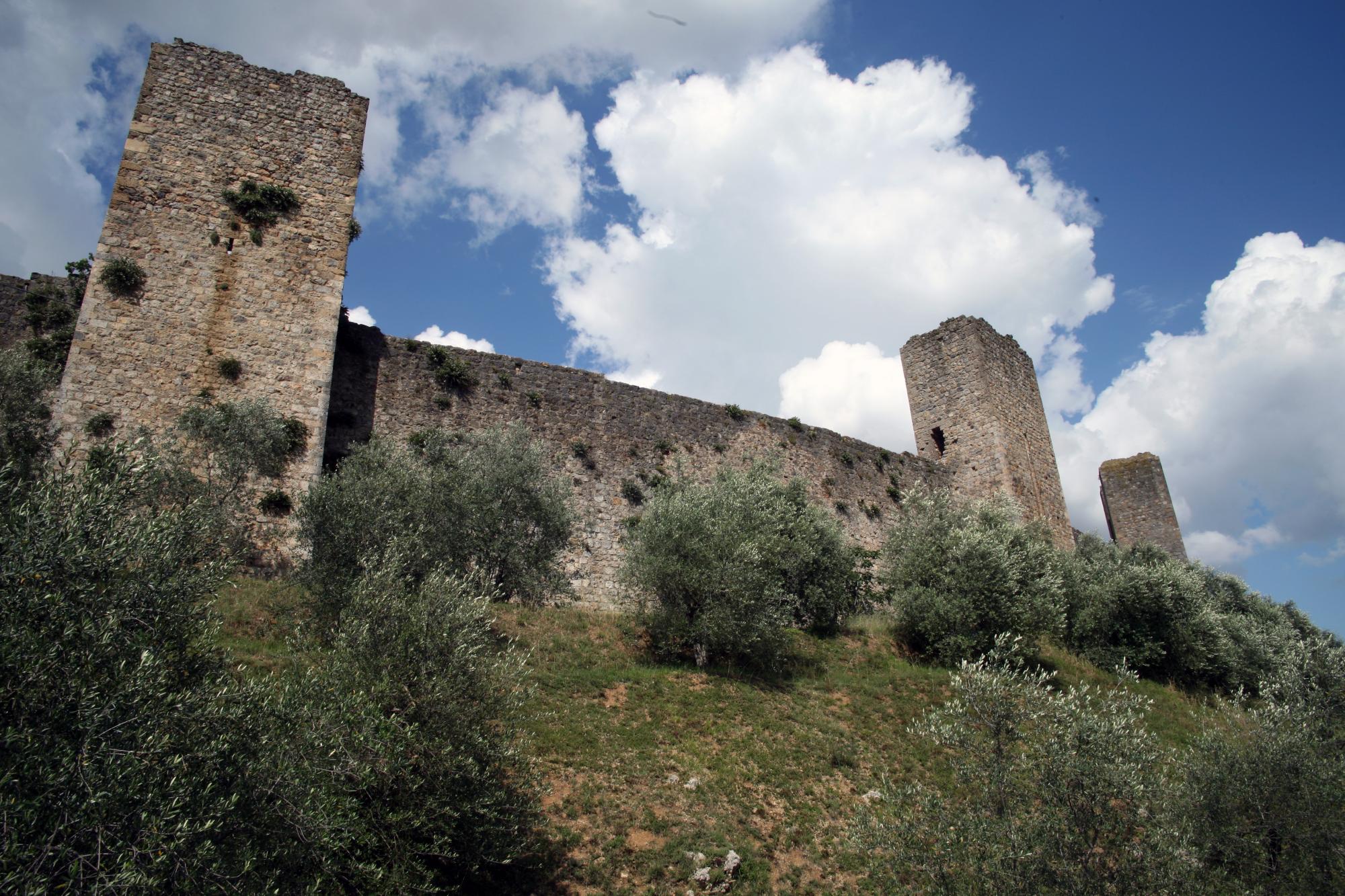
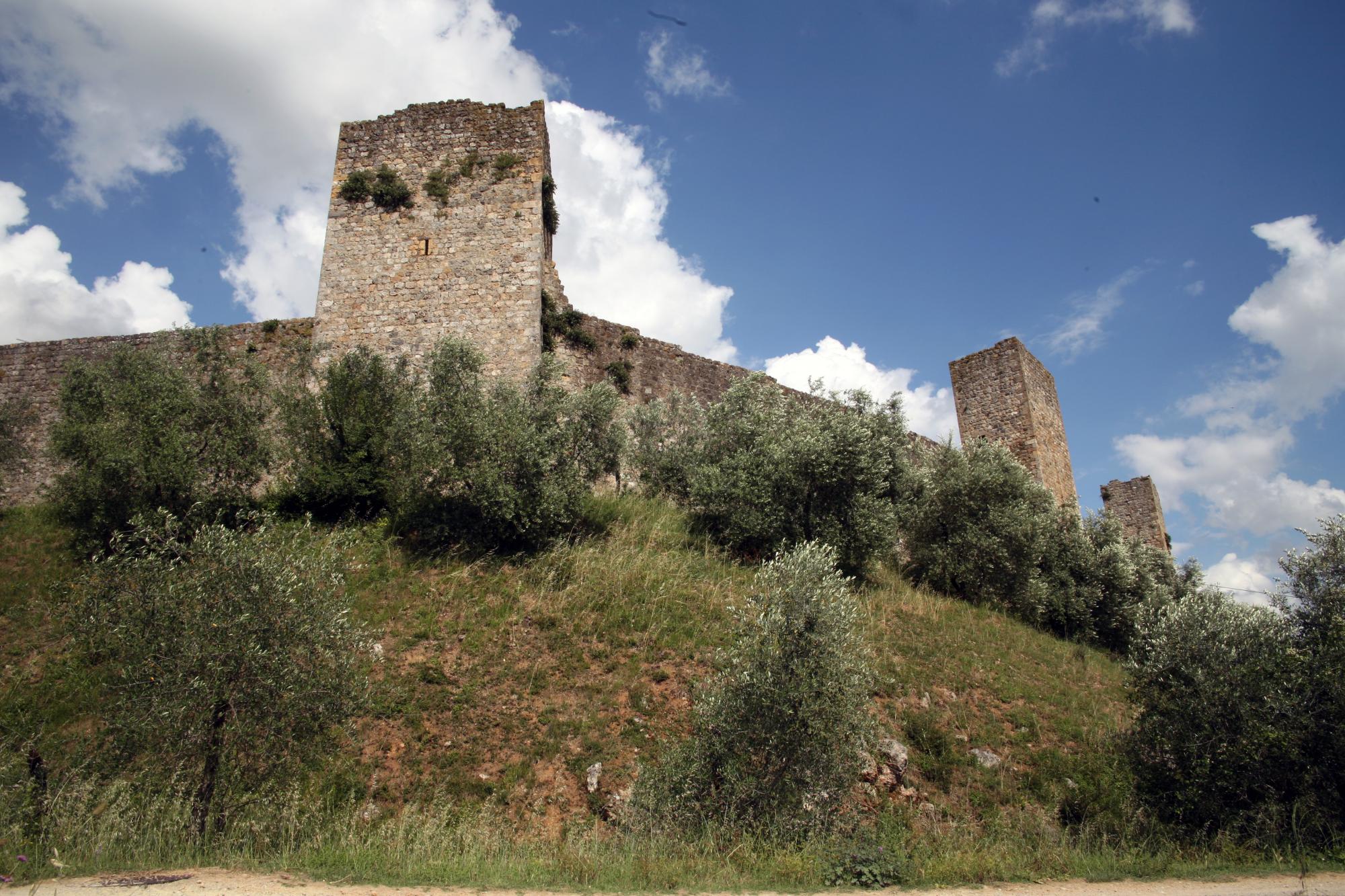
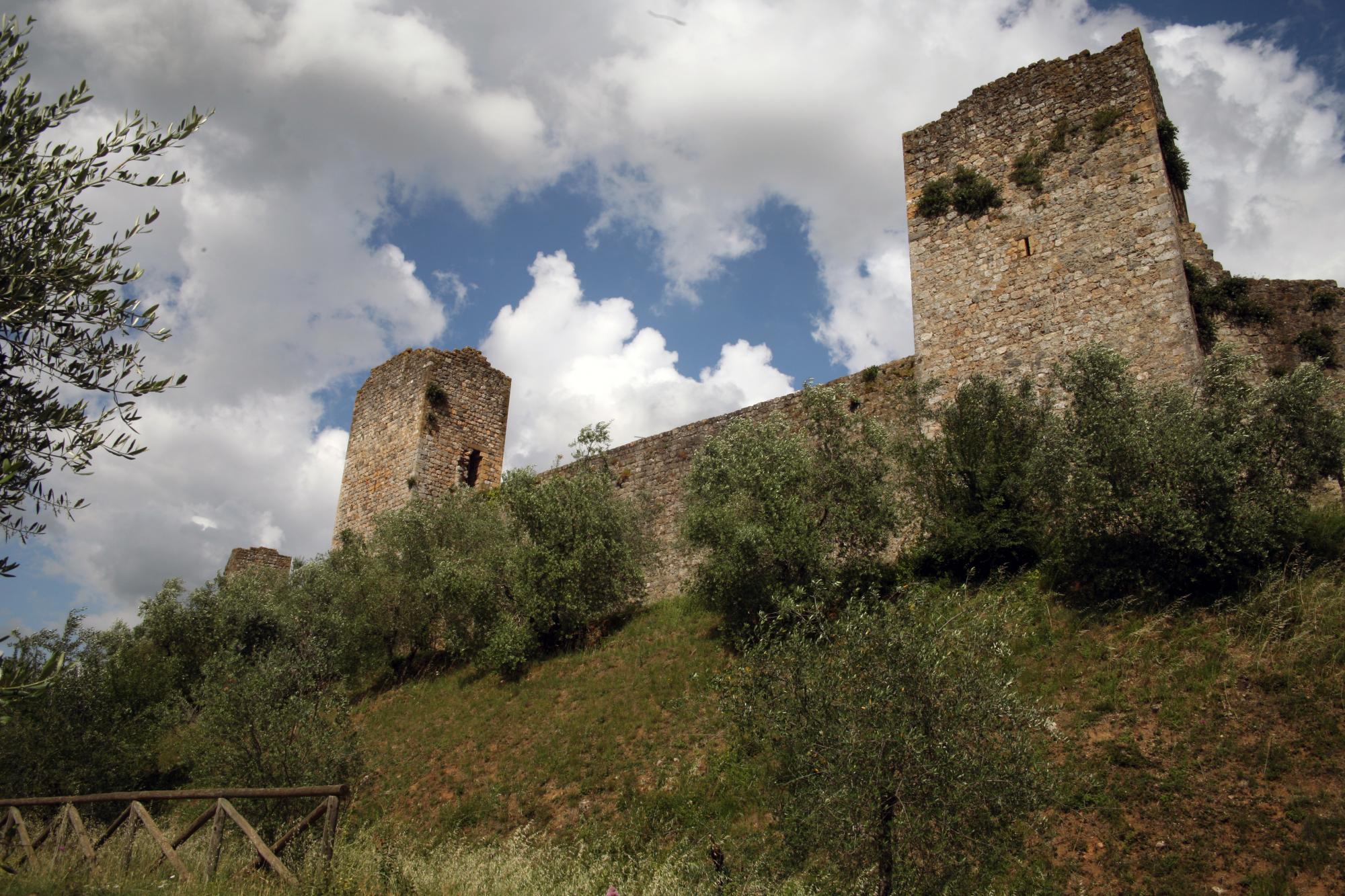
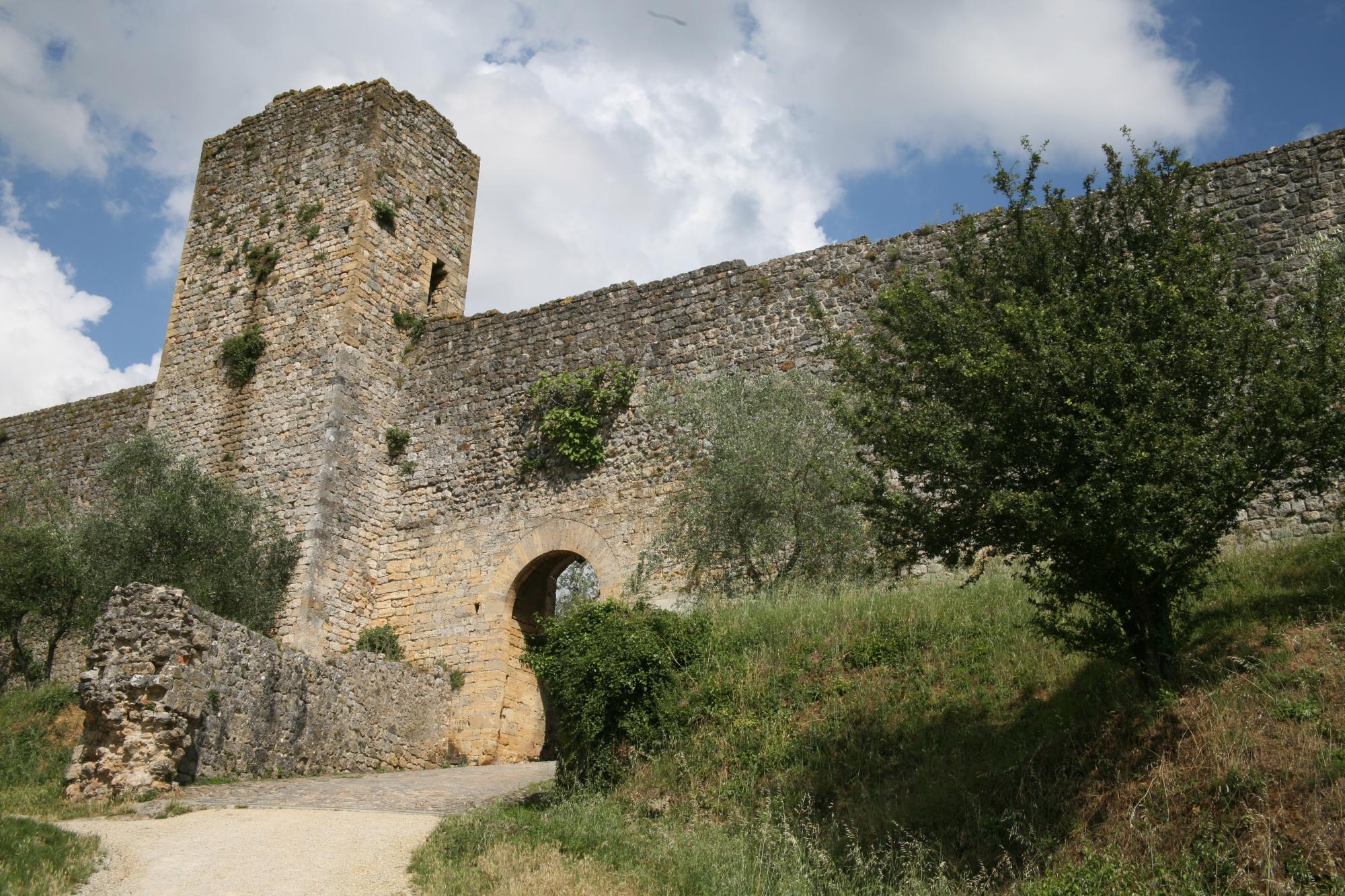
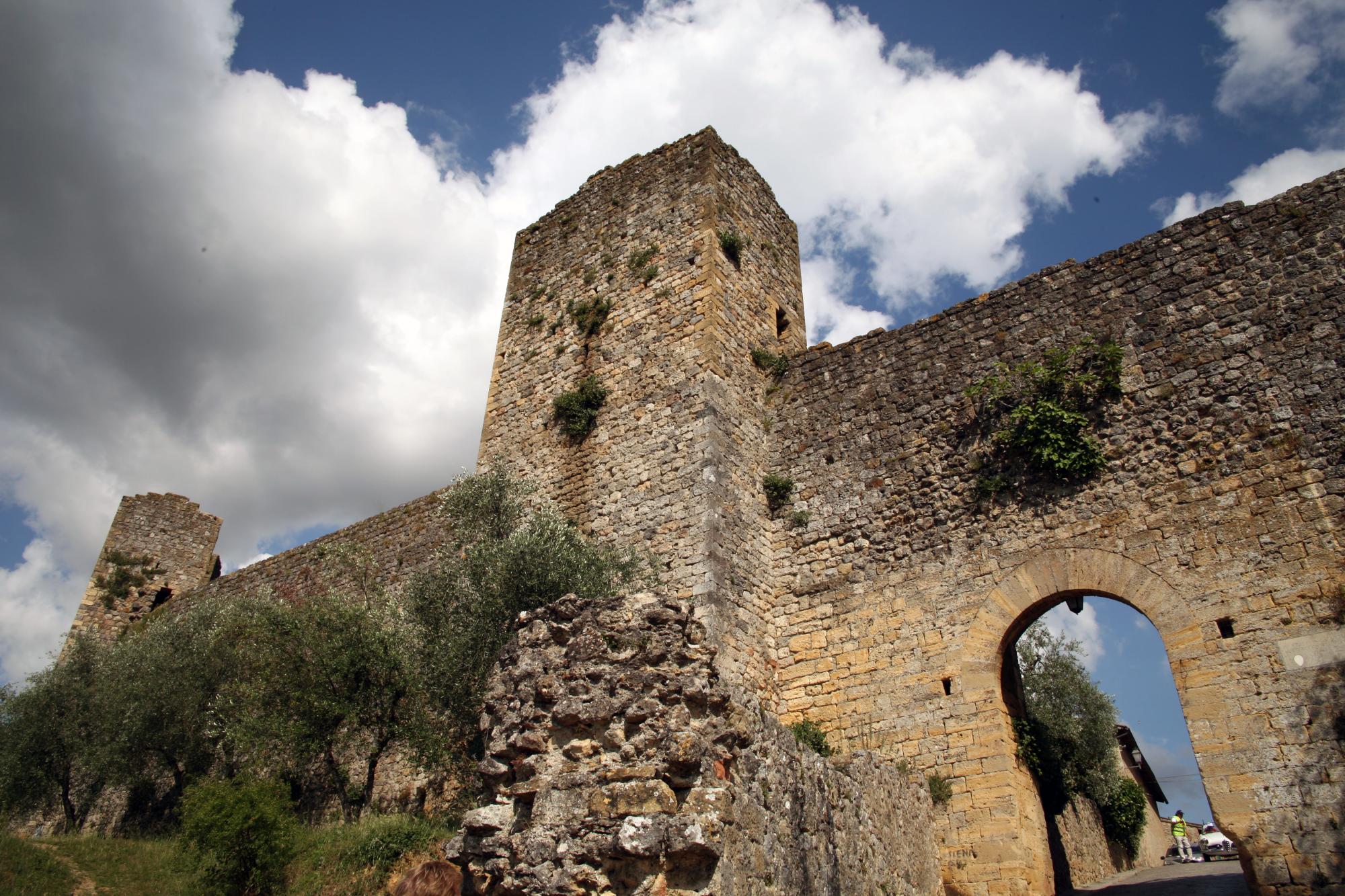
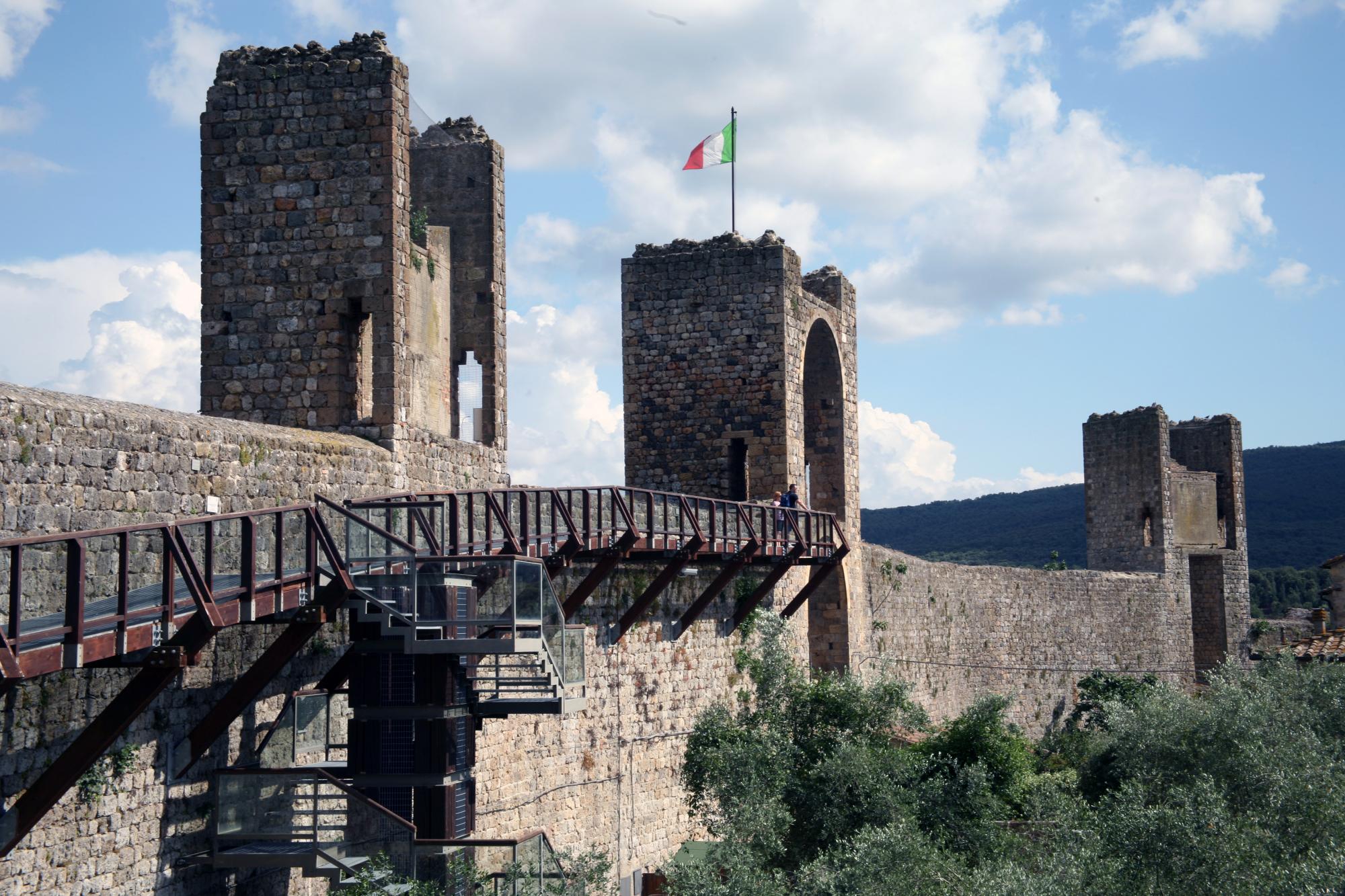
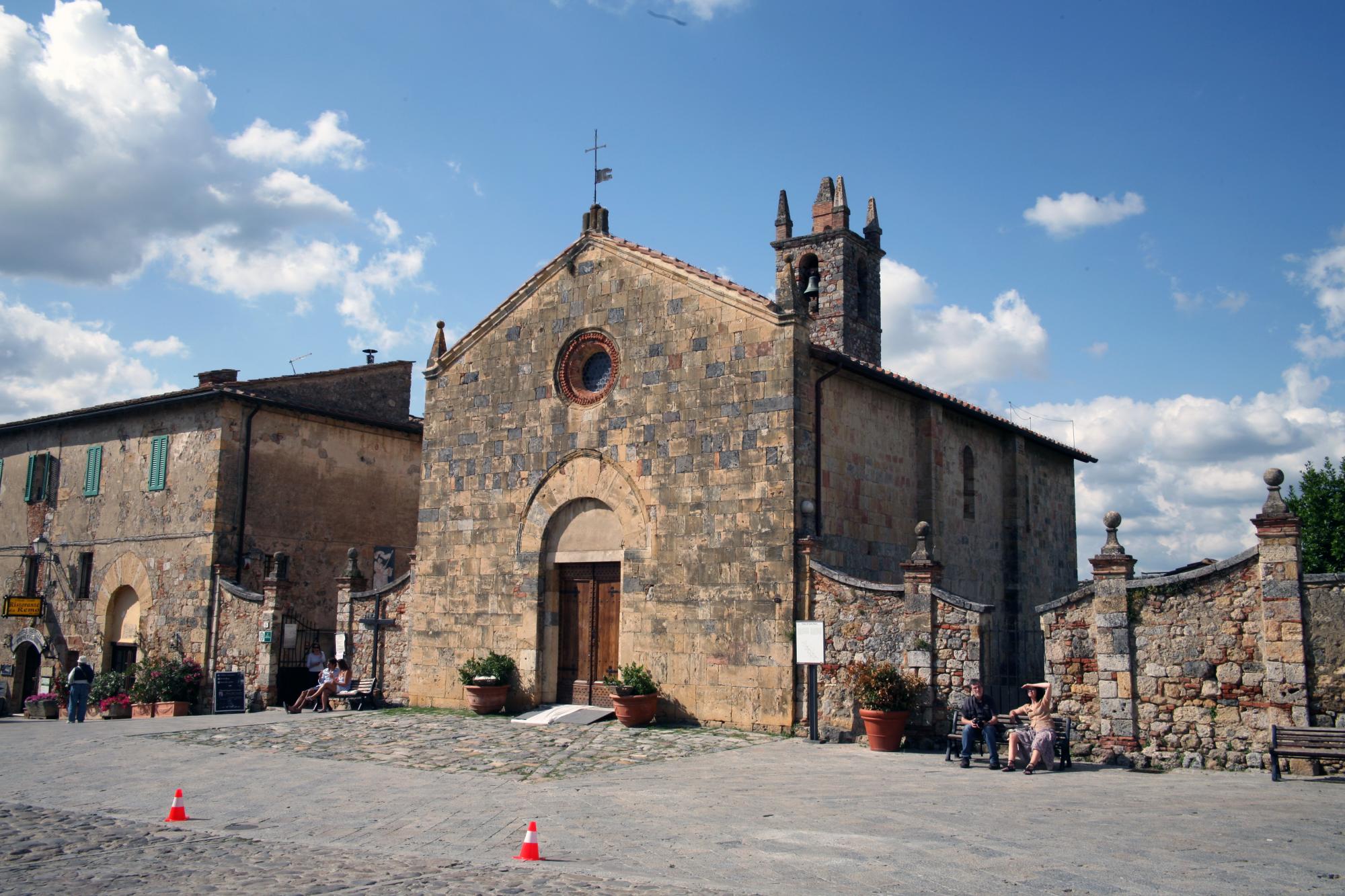
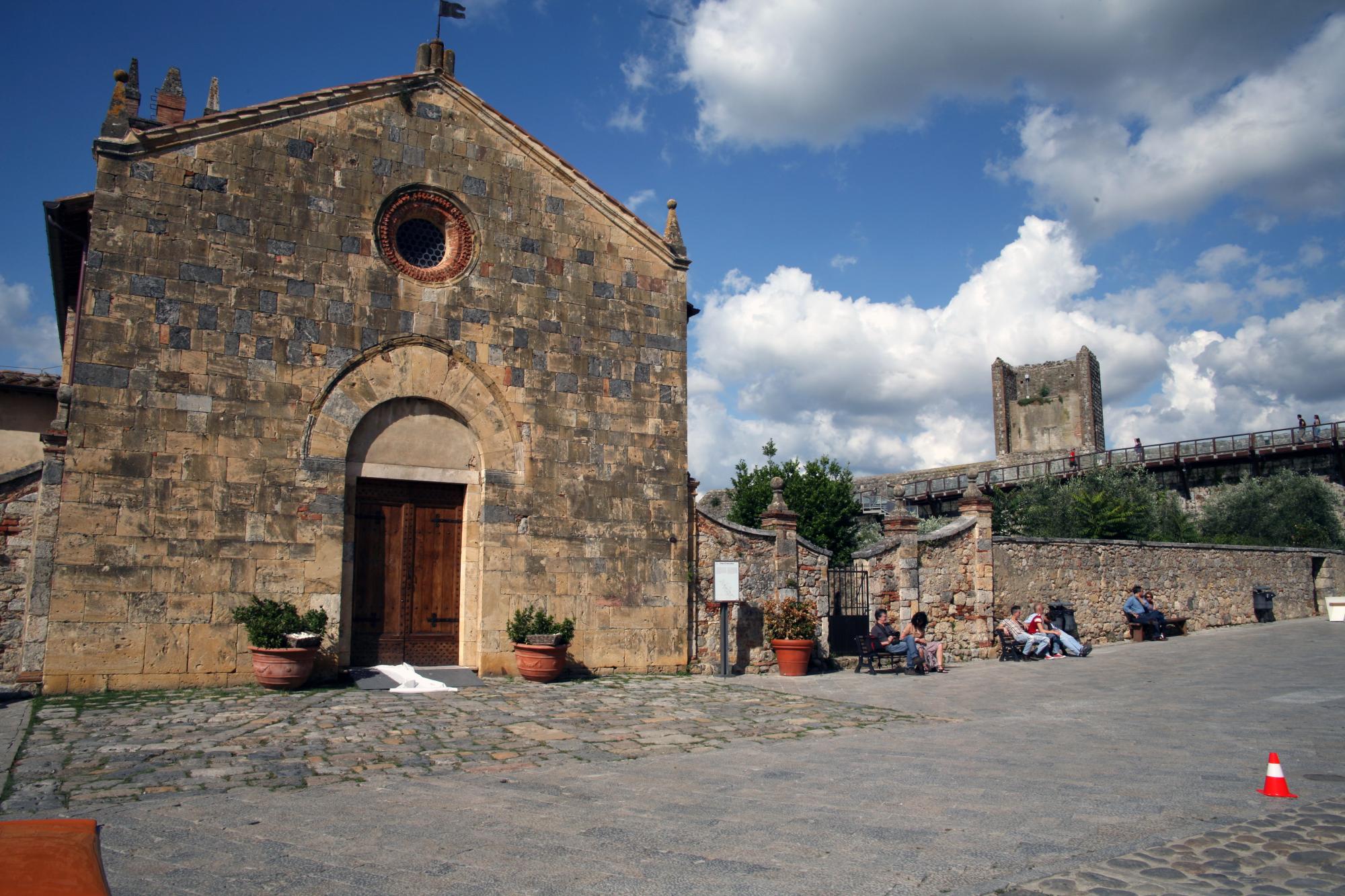
Monteriggioni is, without doubt, one of the most classical and best-known Italian walled towns. Since the Middle Ages, its fame has been so great that even the great poet Dante Alighieri made a sign for his 'round enclosure' in the Divine Comedy (Hell, Chant XXXI, v. 40-41). The town walls, nearly intact, cover a length of 570 meters and are alternated by 14 towers and two gates. The Sienese Gate is at the base of a square tower, while the Florence Gate is opened in the curtain and defended from one of the towers of the fortified perimeter.
The town was built by the Sienese in the years 1213–1219 on a hilltop overlooking the Cassia Road. Its ideal position allowed it to control the Elsa and the Staggia Valleys in the direction of Florence, the historic enemy of Siena, which at that time was rapidly expanding its territory.
The hill where Monteriggioni rises is natural, even if it could seem like a great 'motte' (from the name of the classical Norman castles 'Motte-and-Bailey' built on artificial hills and gifted of enclosure), and the circular, almost perfect, layout of the walls was obtained simply by following the sketch of the ground's curves of level. In the planning, it was tried to limit the weak points for excellence, the gates, entrusting the only connections with the outside to an east-to-west crossing road. To Monteriggioni, the military building work appears physically distinguished by the inhabited area confined to its inside but well separated from the walls by a 'territory of respect,' although in ancient times the inhabited area was more intense than today and consequently had a more narrow band of separation.
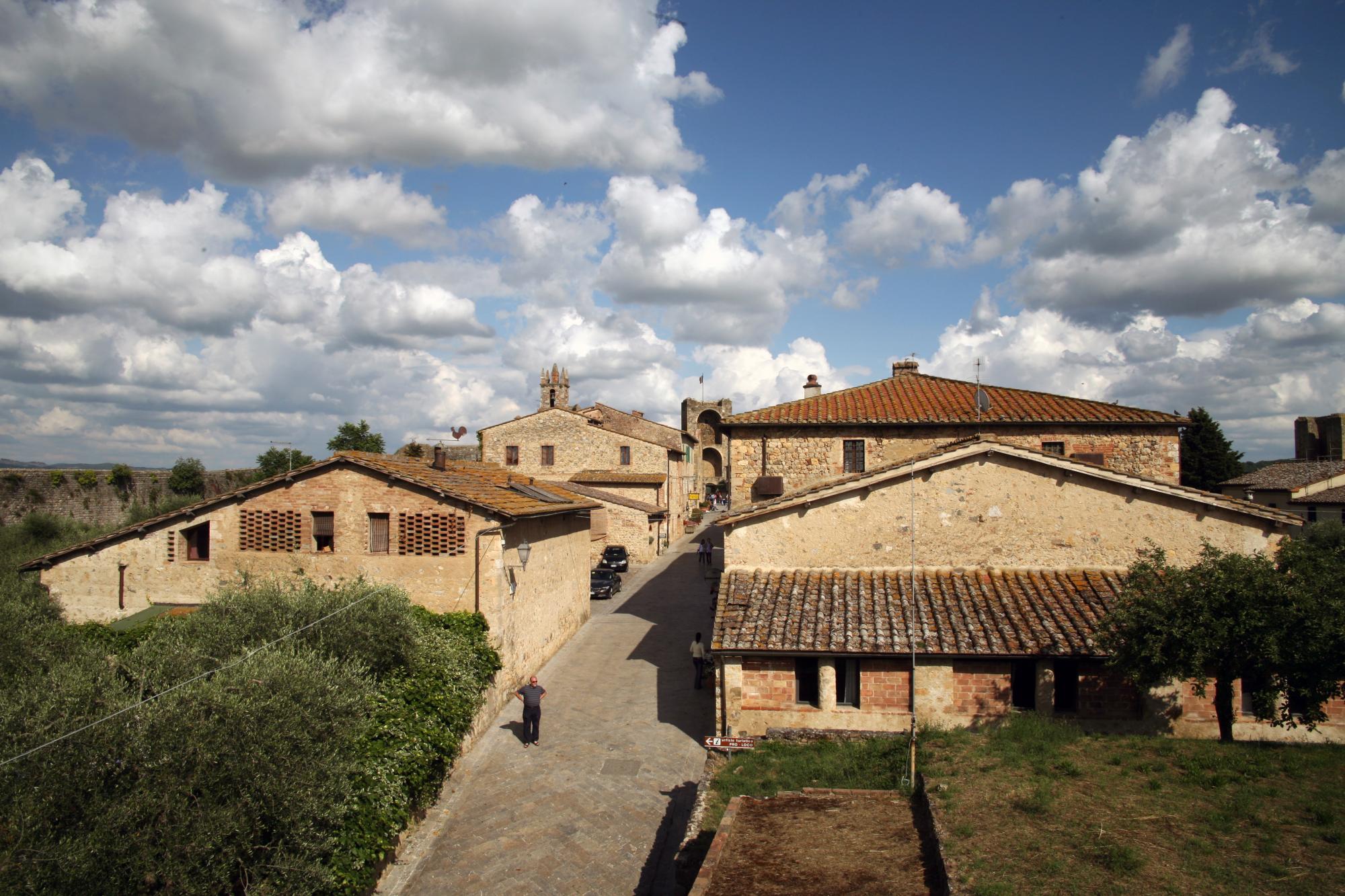
The hamlet that we can admire these days is essentially authentic, having never been the object of building and tourist speculation. The only changes to its aspect happened in the first years of the 16th century, when, trying to conform the fortifications to the development of the new fire weapons, they lowered the towers and accumulated earth at the base of the walls with the purpose of getting a bastionated effect.
Recently, a part of the town wall has been restored and made accessible. From the top of the walled circuit, it is possible to admire the surrounding countryside towards Chianti and the Valdelsa and to enjoy a unique view of the town and its fortifications.