




How to reach
The Rocca Sillana, Rocca di Sillano or Silano is located at the eastern extremity of the municipality of Pomarance (province of Pisa). Coming from Volterra you can reach the fortress following the road for S.Dalmazio (Itinerary of the Ruins, just outside the town), about 1 km. passed the village you'll find the indications for Lanciaia, on the left, and then for Rocca Sillana, on the right. From Florence follow the Motorway Florence-Siena until the exit 'Colle Valdelsa Sud', then follow the indications for Casole D'Elsa, Monteguidi and finally Montecastelli, from here drive toward Pomarance and you will find the indication for the Rocca. Sillano is reachable only by foot after following a path in the wood.
History
The mighty Fortress of Sillano rises on a hill 530 meters high and dominate a vast territory that includes the provinces of Siena, Pisa and Grosseto. This position was always strategically important to control the valley of the river Cecina and the surrounding minor valleys, so much that the legend wants to date the origin of the small fortress in Roman times, during the civil war between the generals Mario and Silla, and that from Silla himself took its name (Silla>Sillano).
The historical testimonies came up to us confirm that the Fortress is not so ancient: The tower can be dated year 1067 (is named for the first time in a document of that year), the buildings of the inner part of the enclosure about year 1200, while the external bastionated perimeter, erected at reinforcement of the preexisting wall curtains, can be dated certainty to the second half of 15th century.
The historians attribute, without doubts, the project to the famous architect Giuliano da Sangallo and this make the fortress one of the most ancient and beautiful examples of the new military architectural conception that marked the passage from the crossbow to the fire weapons, with the consequent development of the defense systems.
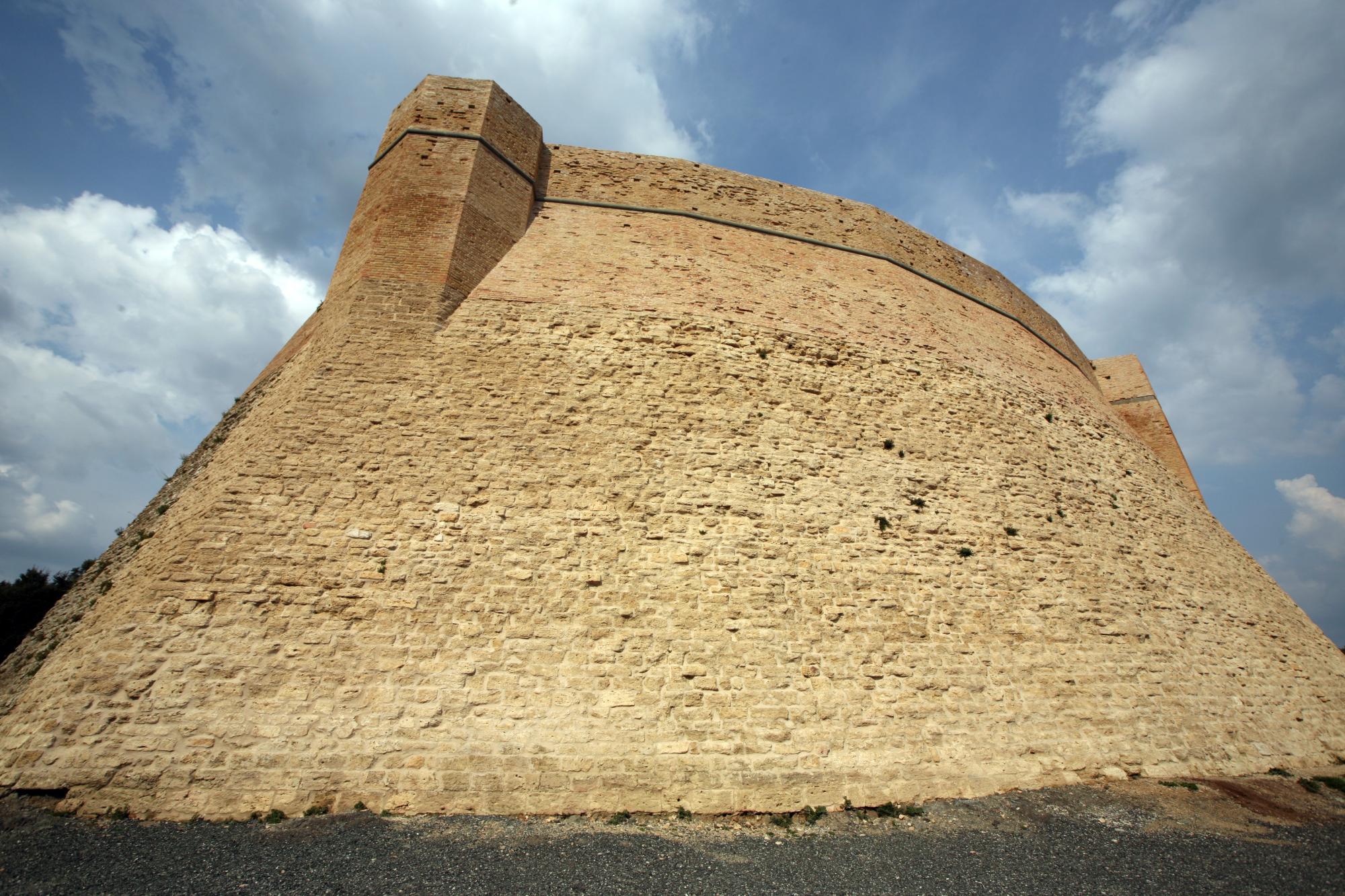
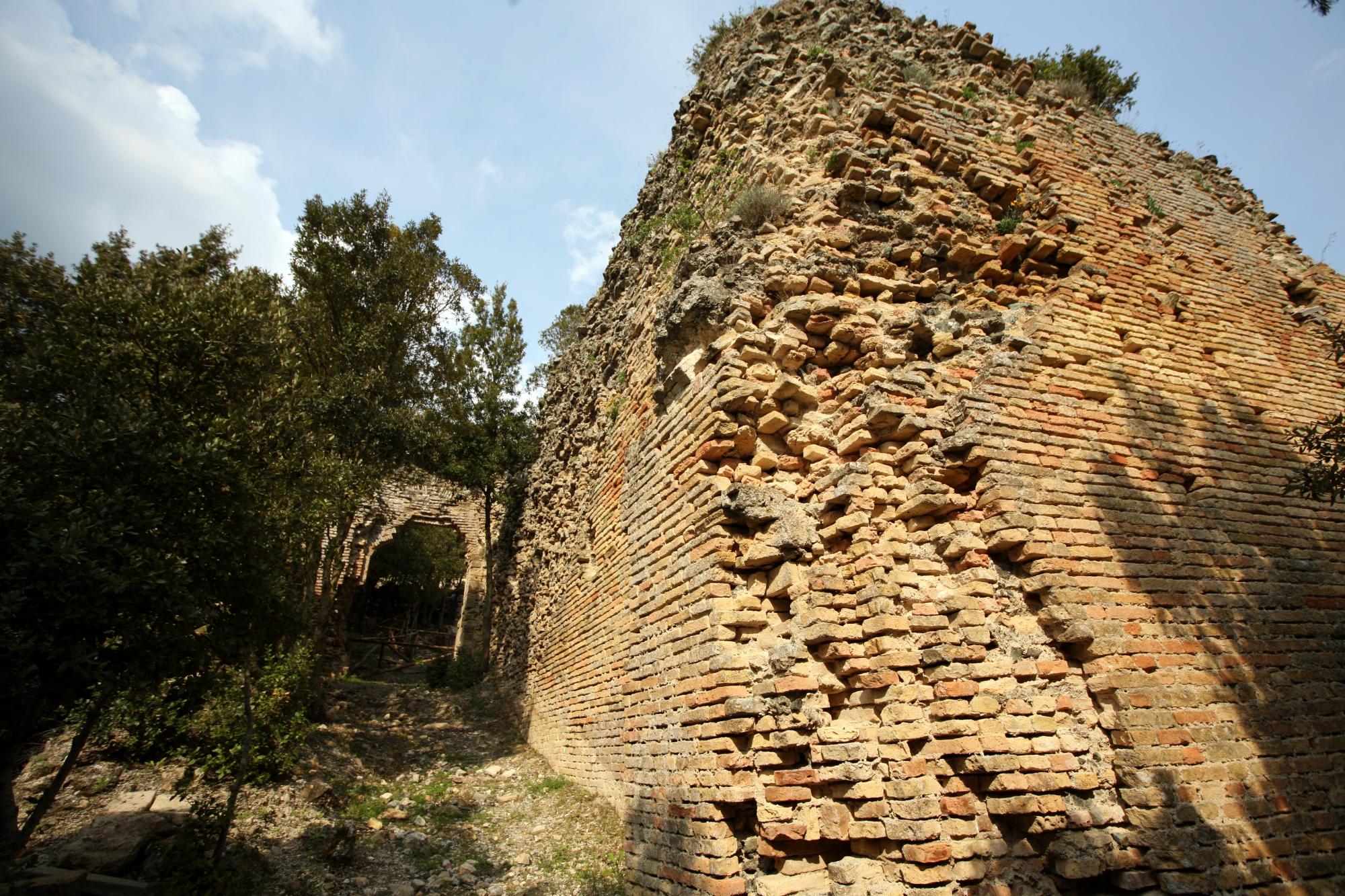
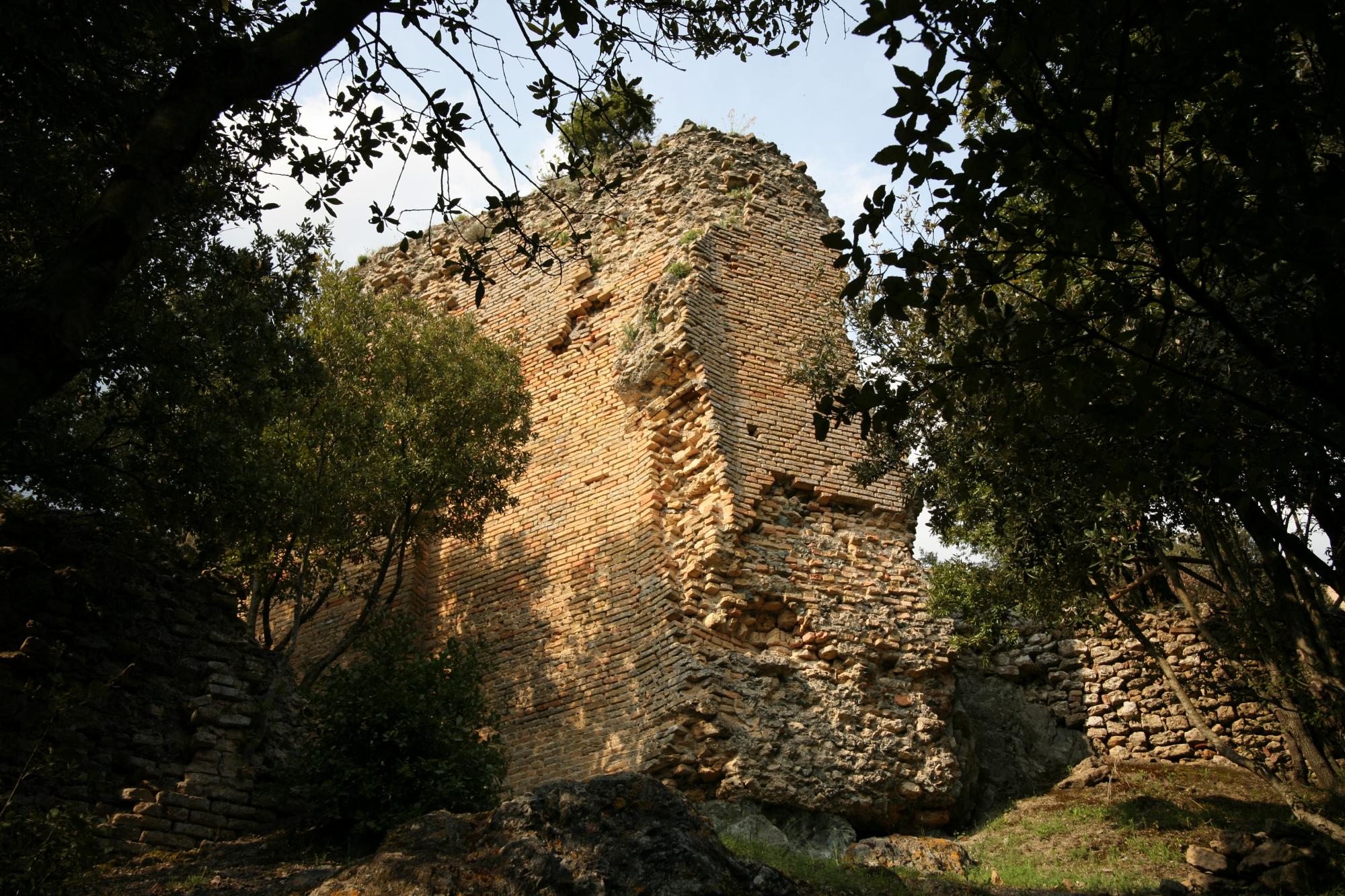
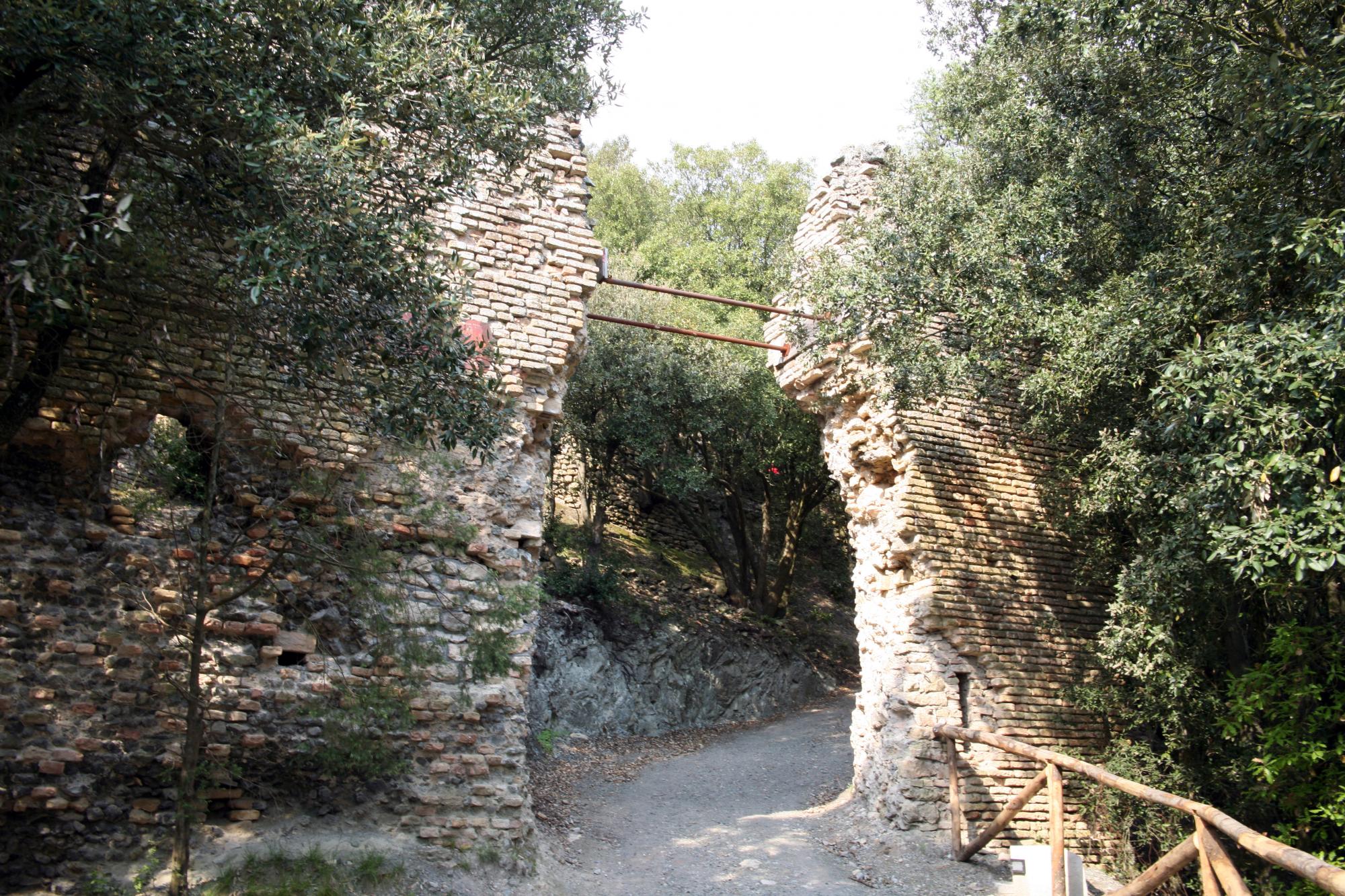
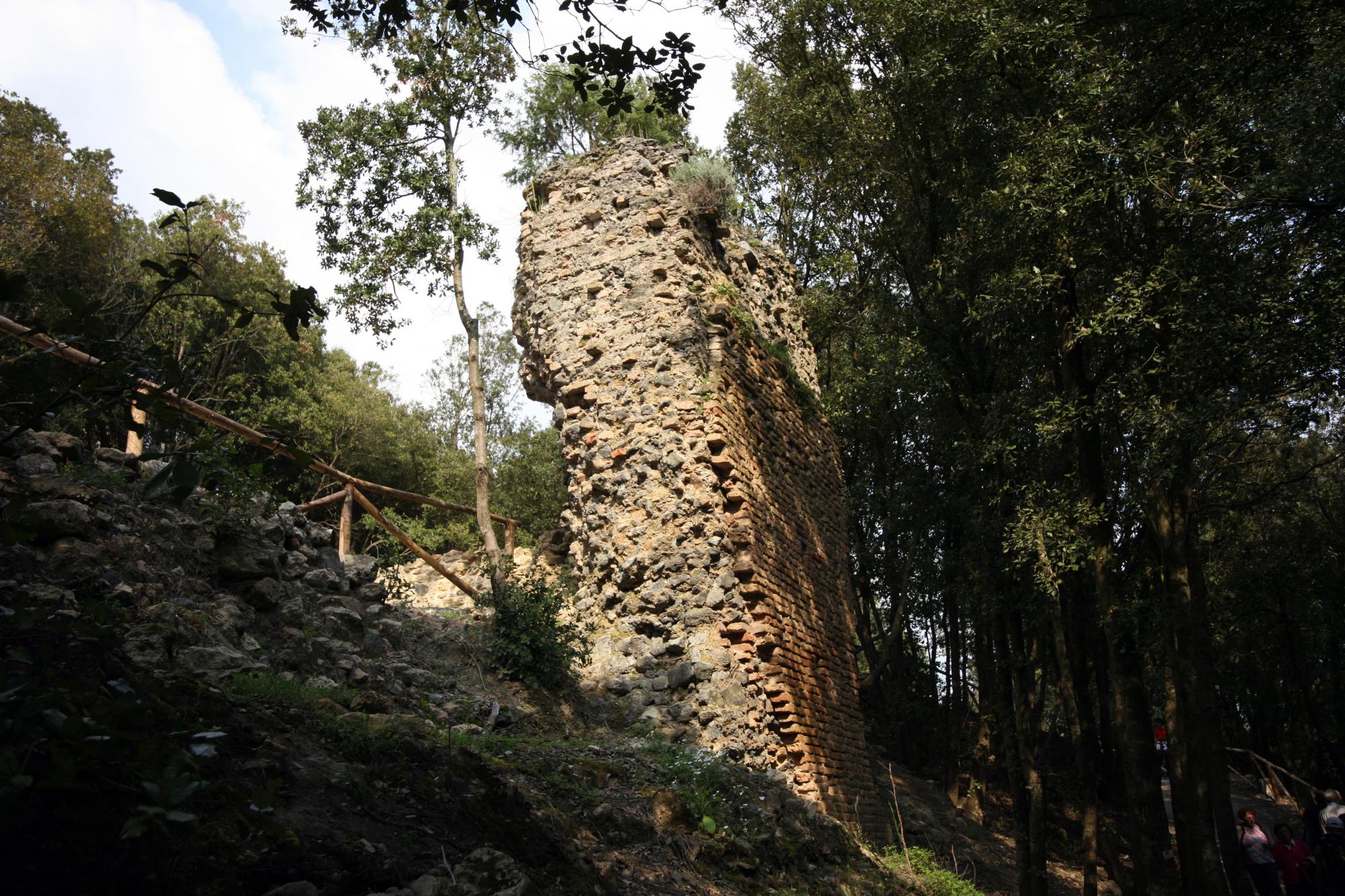
Before reaching the fortress itself we meet other defenses, located around 30 meters below the vertex of the hill. They were the walls of the village that developed around the Rocca, build in bricks, with two Gates, the Porta Volterrana at north-east and the Porta San Rocco at west, this one strengthened with a tower at control of the road that leads under the walls of the rocca. Reached the the top of the hill we find us under the thick bastionated walls of the fortress. Particular are the four leaning turrets built on the corners of the enclosure and the high curvature of the curtain. The lower parts of the walls are built in stone, the upper in bricks.
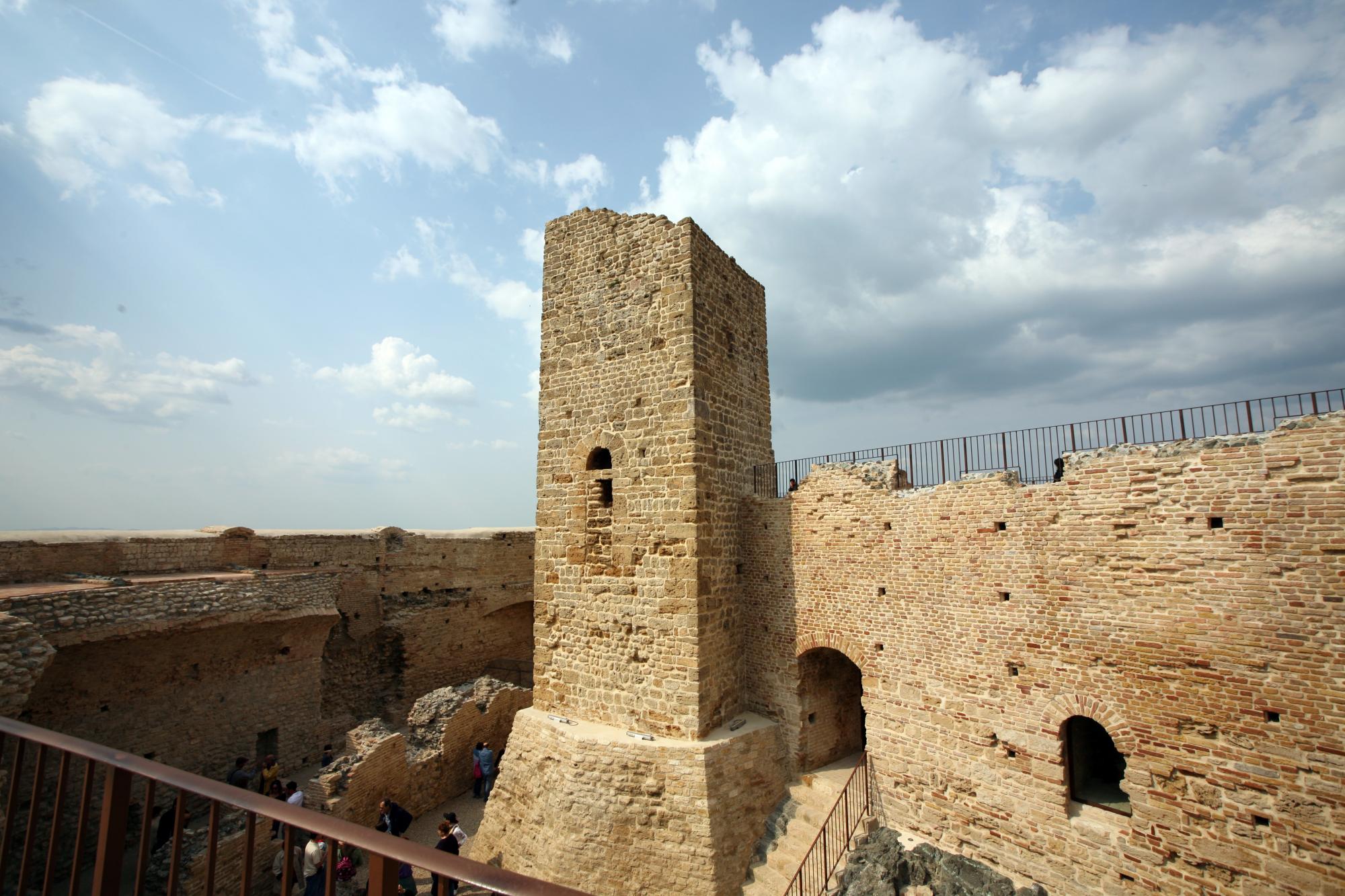
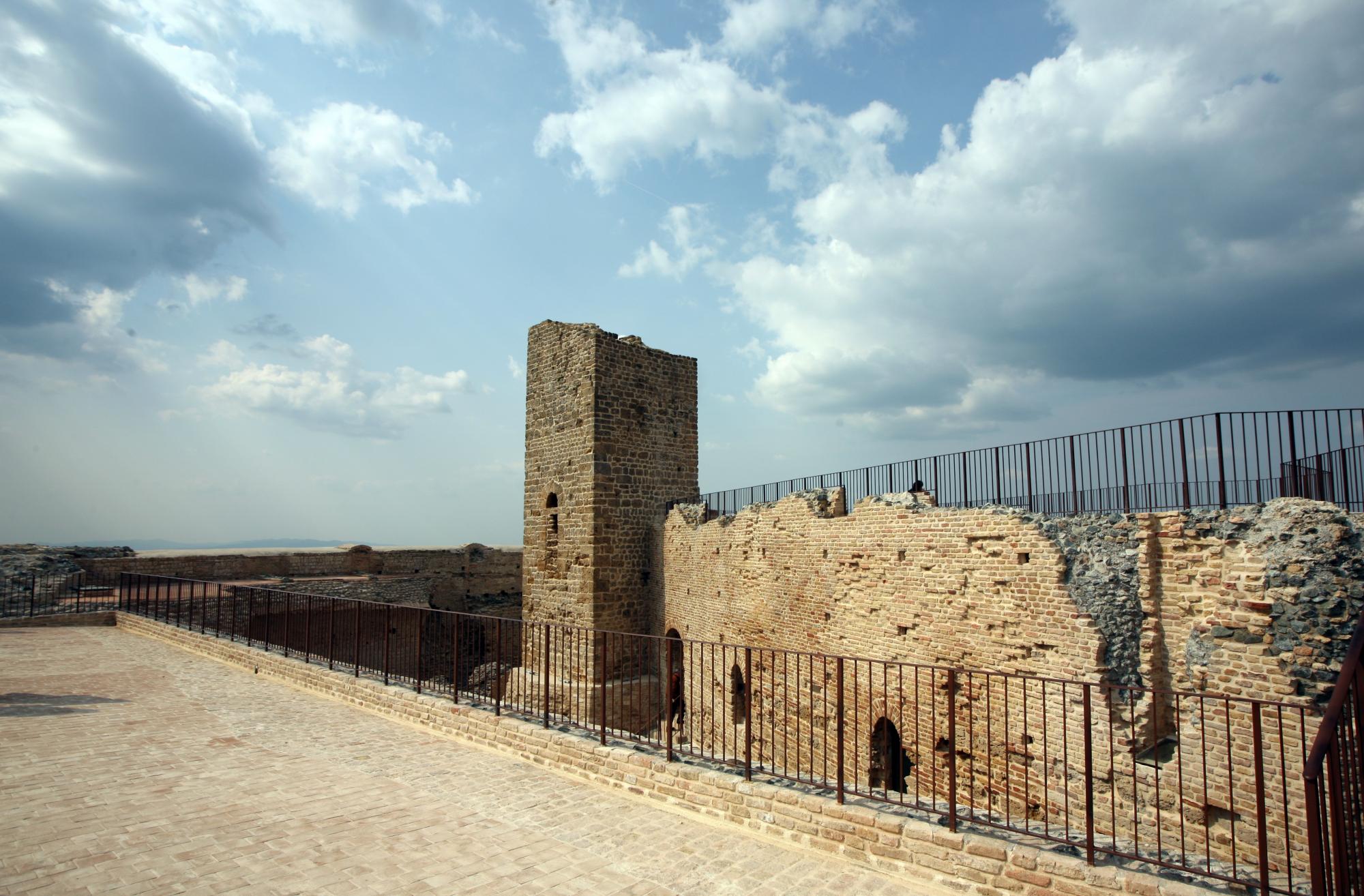
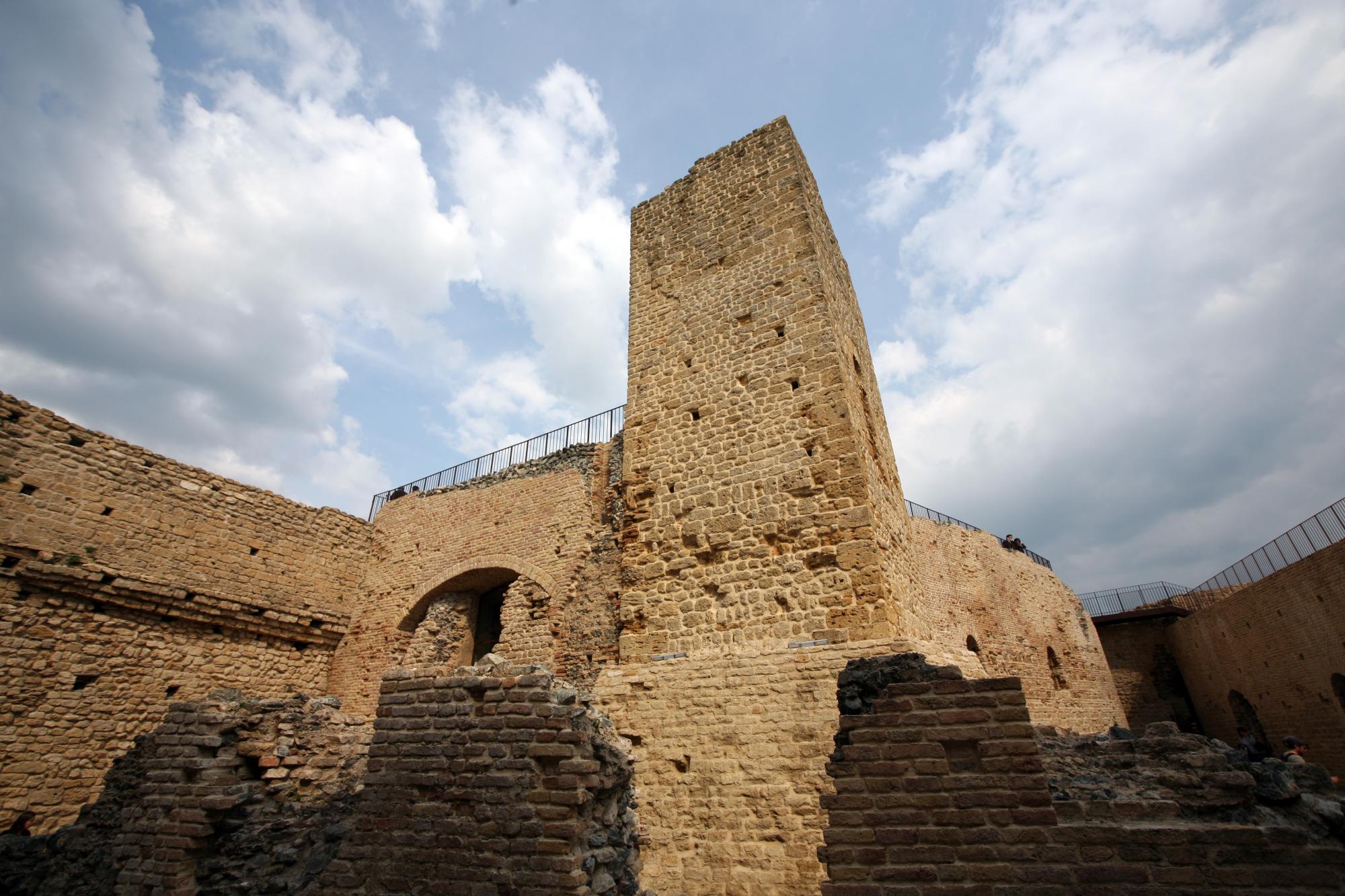
Over all stand the ancient nucleus of the fortress: a square shaped stone watch tower, with the gate of access sited at the level of the first floor, now walled but still well visible. Once climbed on the bastions we can easily understand the strategic importance of the Rocca and enjoy a wonderful sightseeing: in the days of clear weather the bird-eye view can space up from here to the sea.
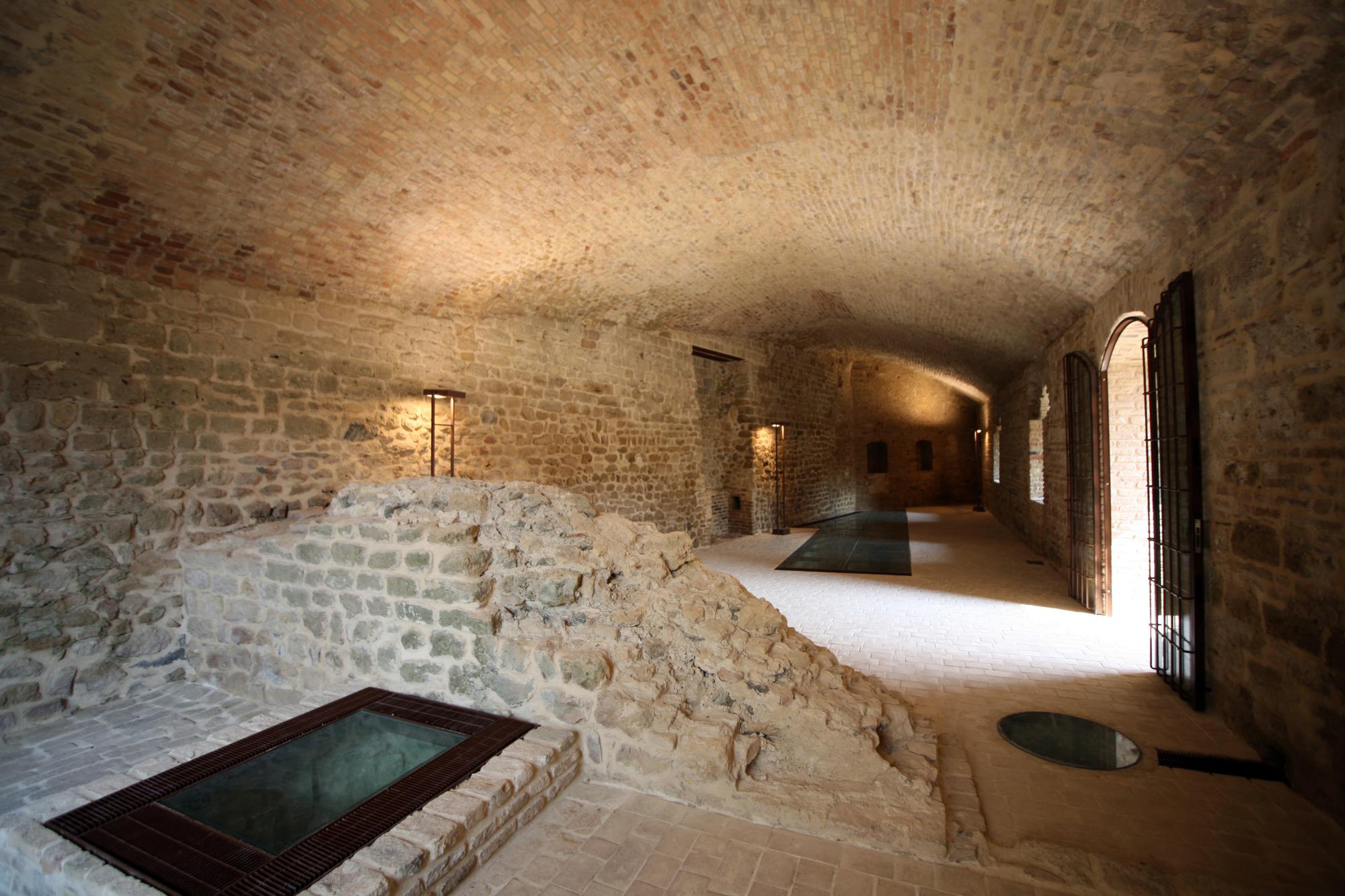
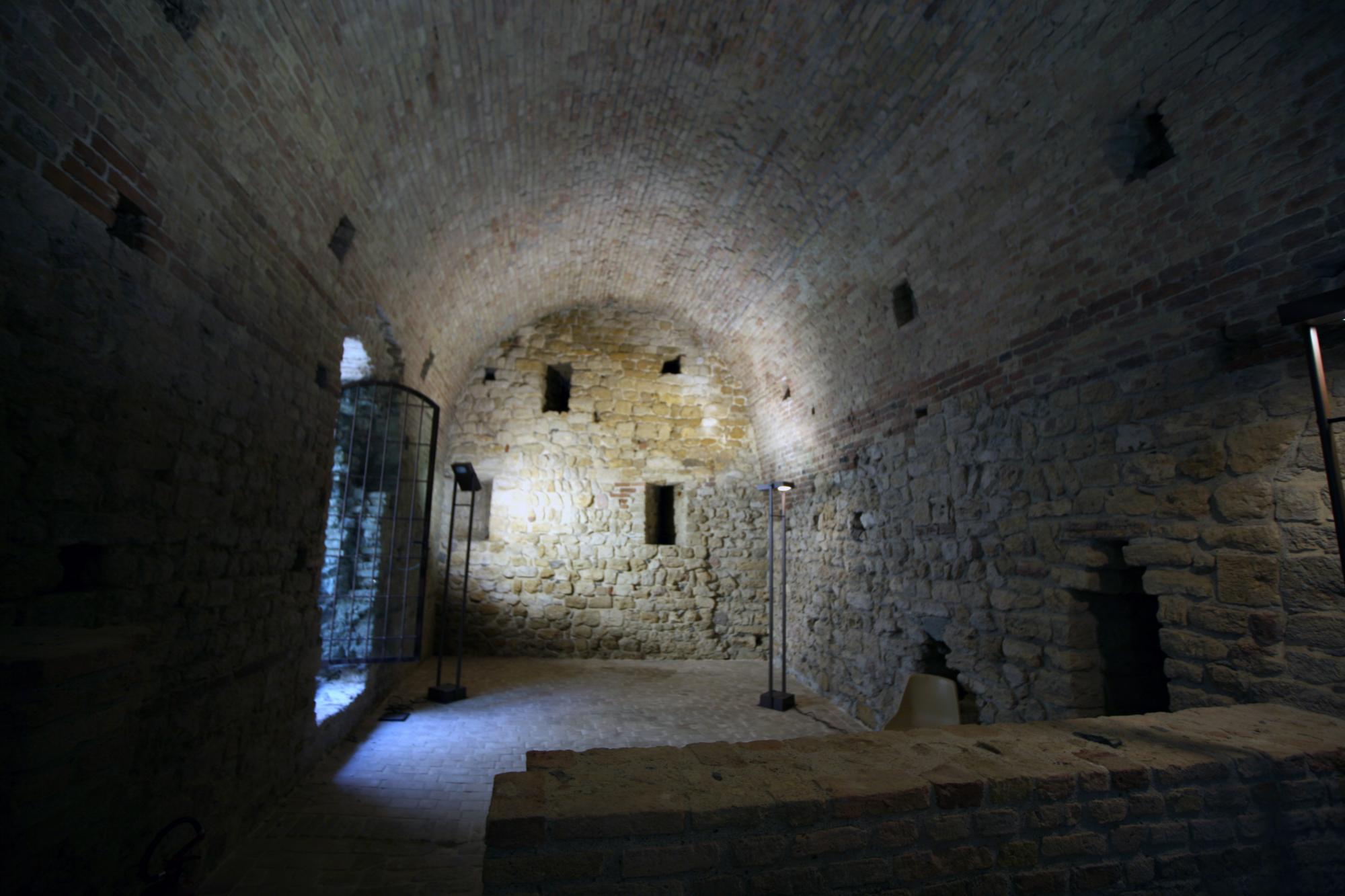
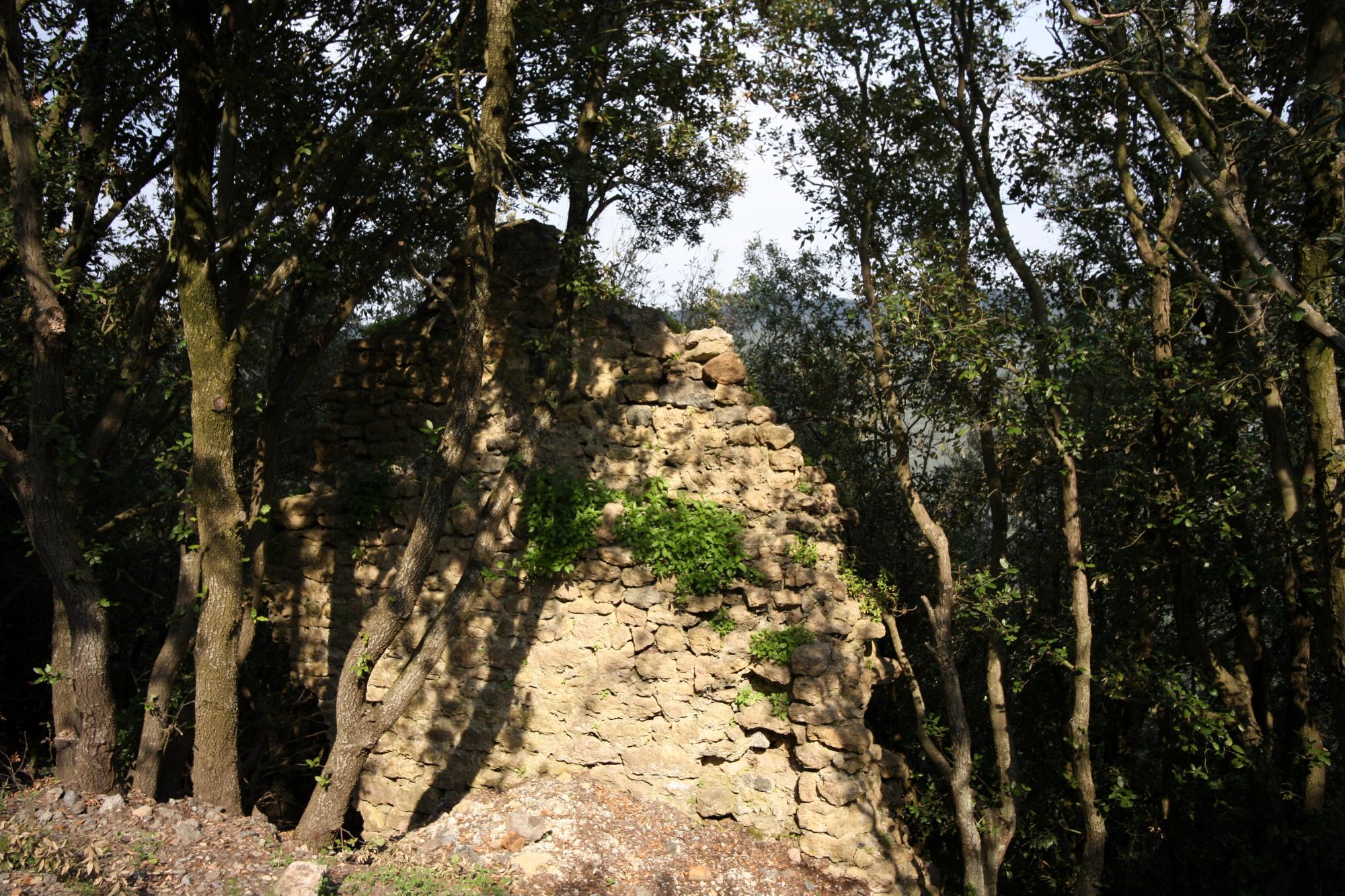
The fortification remained abandoned for centuries. In 1985 started the archeological excavations. In the following years the works of restoration bring to the light the internal halls, once used as stores and barracks for the garrison, some ovens and other buildings, also of the village. In July 2001 the Rocca was endowed with an important system of illumination for the night. Before the reopening of 18 April 2009, after years of works and excavations, the inner courtyard was invaded by the vegetation and the floor results notably high due to sediment deposits. Today the complex is again visible to the public, each Saturday and Sunday from 3,30 to 6,30 p.m.
More info & notes
Rocca Sillana from the drone:
Opening time
From April 26 to May 31 Saturday and Sunday from 15:00 to 19:00. Only with guided tour.
Departure guided tours hours: 15: 00-16: 00-17: 00-18: 00
From June 1st to September 30th Friday, Saturday, Sunday and Monday from 16:00 to 20:00. Only with guided tour.
Departure guided tours hours: 16: 00-17: 00-18: 00-19: 00
Special openings with the same visit methods: Easter and Easter Monday, April 25, May 1, June 2, August 15: 10: 00-13: 00/15: 00-19: 00
Departure guided tours hours: 10: 00-11: 00-12: 00- 15: 00-16: 00-17: 00- 18:00
Night openings: from 1st July to 31st August Tuesday from 21:00 to 24:00. Departures guided tour from the car park: 21:00 - 22:30
Info:
Ufficio Turistico Pomarance
Tel. +39 0588 62089
ufficioturistico@comune.pomarance.pi.it
Consorzio Turistico Volterra Valdicecina
Tel. +39 0588 86099
info@volterratur.it