How to reach
Lucchio rises along the SS12 of the Abetone and the Brennero; it is easily reachable from Lucca. The final stretch of road leading to the entrance of the village is particularly narrow, winding, and steep, with limited parking availability.
History
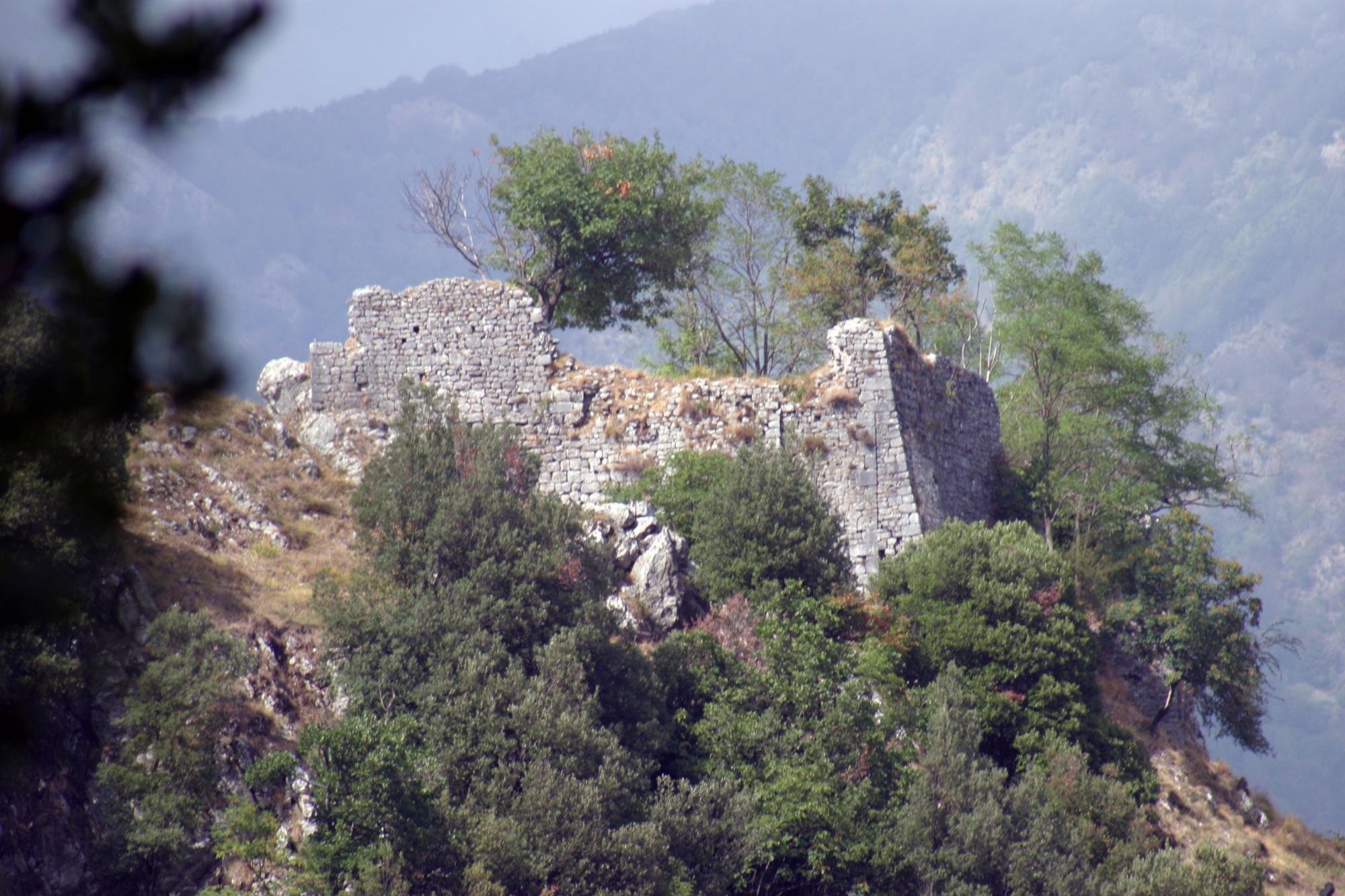
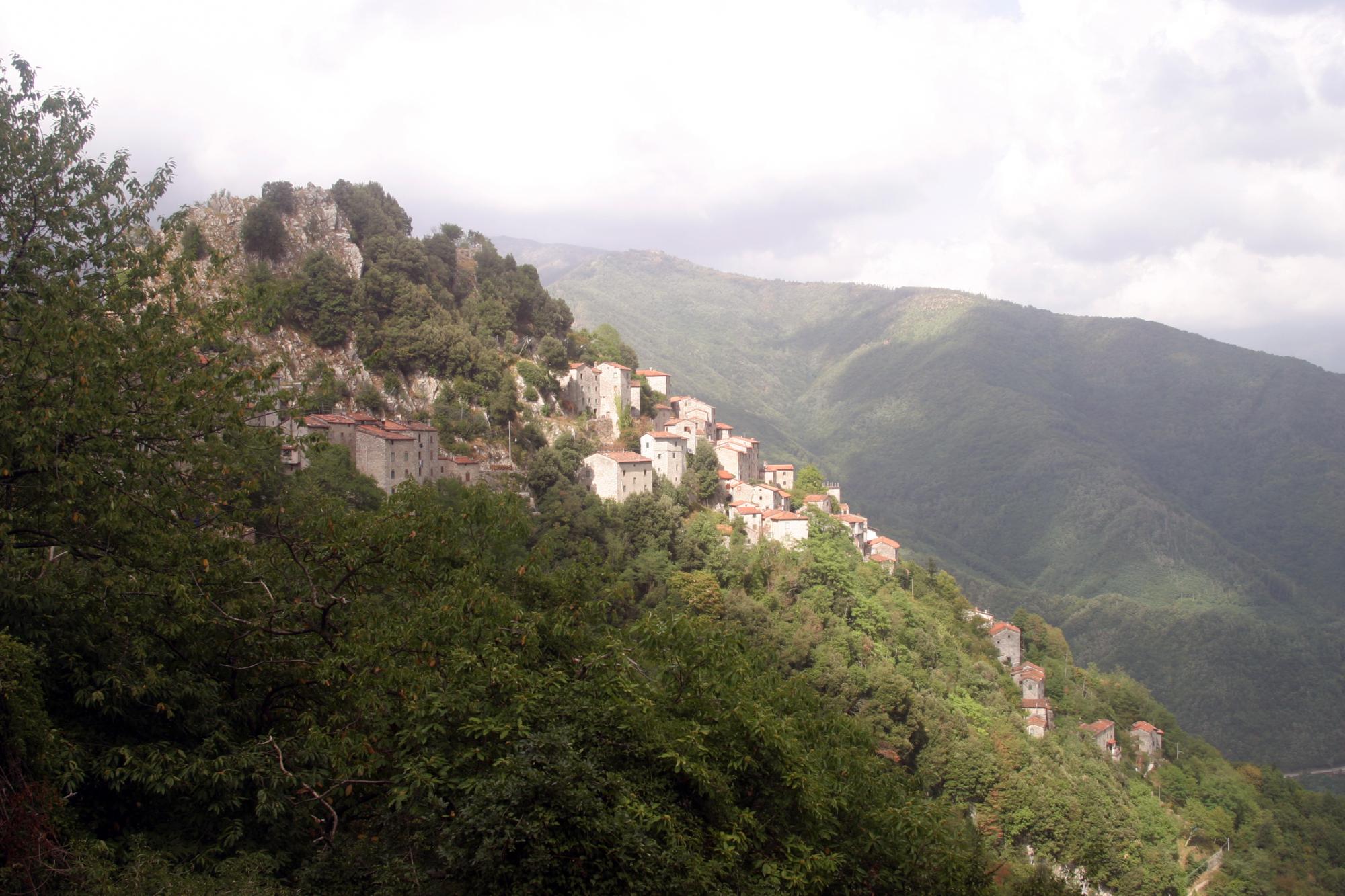
The rock, the stone of the medieval village, and the fortress fused together generate a dark Medieval image and make Lucchio one of the most scenographic hidden treasures of Tuscany. Calling this place 'hidden' is not enough, coming from Lucca, it's already impossible to see the village, carved in the stone of the mountain on the side looking towards Pistoia, or the castle, completely joined with the rocks. A different scene appears for those who come from the opposite direction, passing Popiglio. Something on the rocky slope of the mountain will catch your attention: the houses of Lucchio, crowned by the scarce remains of the once-powerful castle.
Traveling along the winding and narrow road that still today is the unique access to the village, let us understand how impregnable this place was. An old popular saw of the zone does not need any comment: ... the women of Lucchio must put a bag on the tail of the hens in order to prevent eggs from rolling to the valley...
The village is still today cut by narrow alleys, and after the abandonment suffered during the last decades caused by its inconvenient location and the poorness of the territory, it was slowly reborn from its ruins.
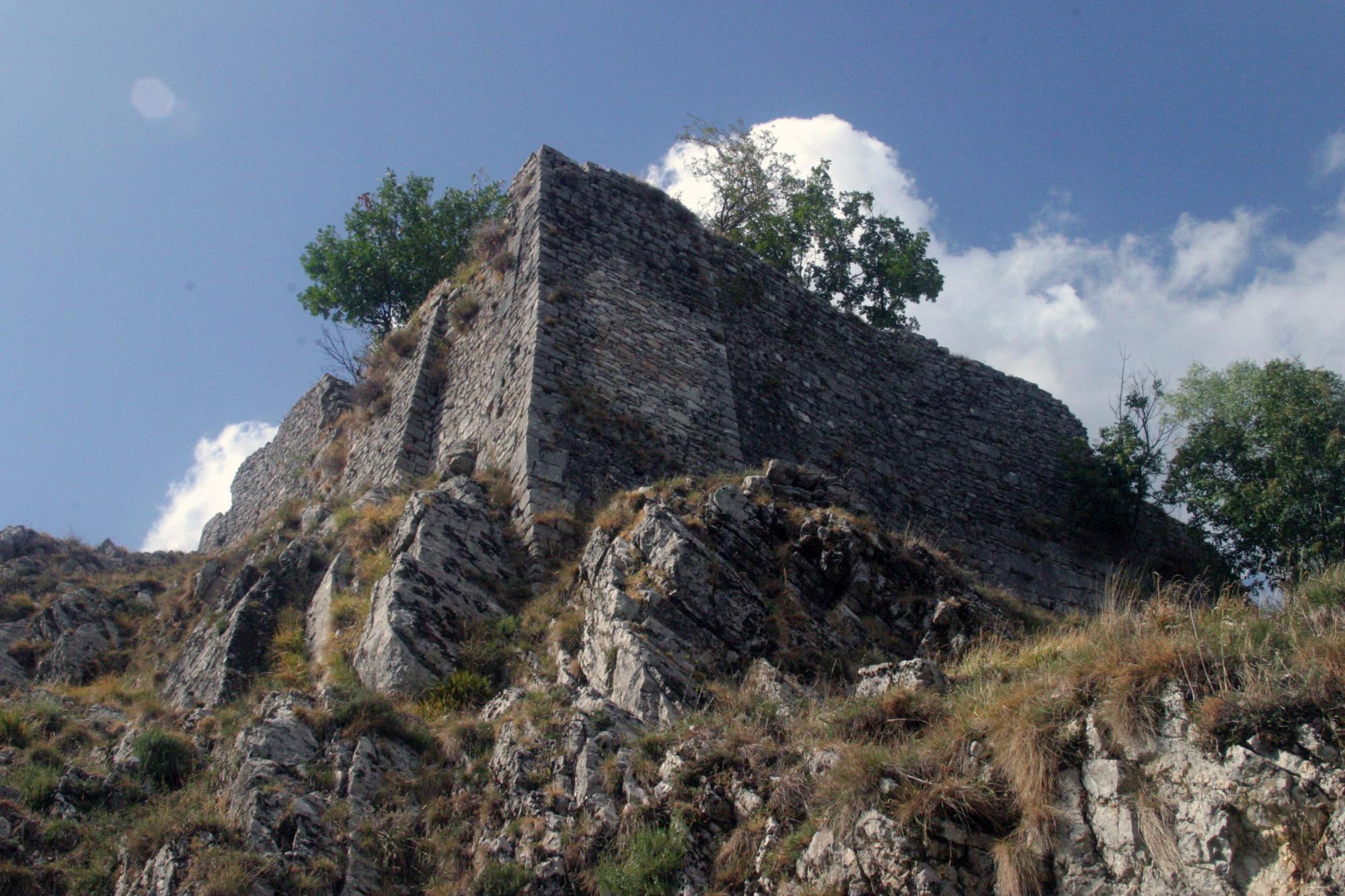
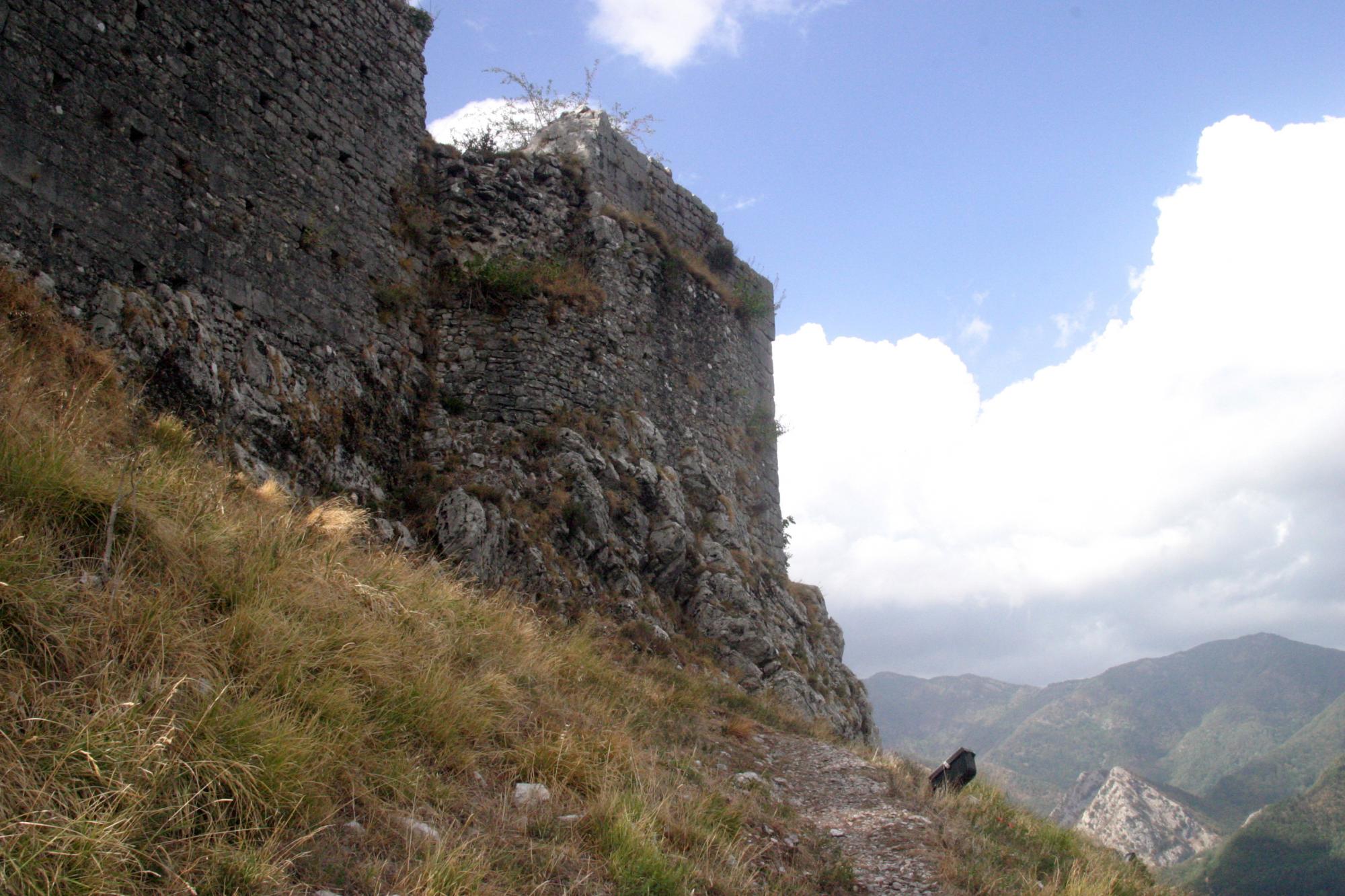
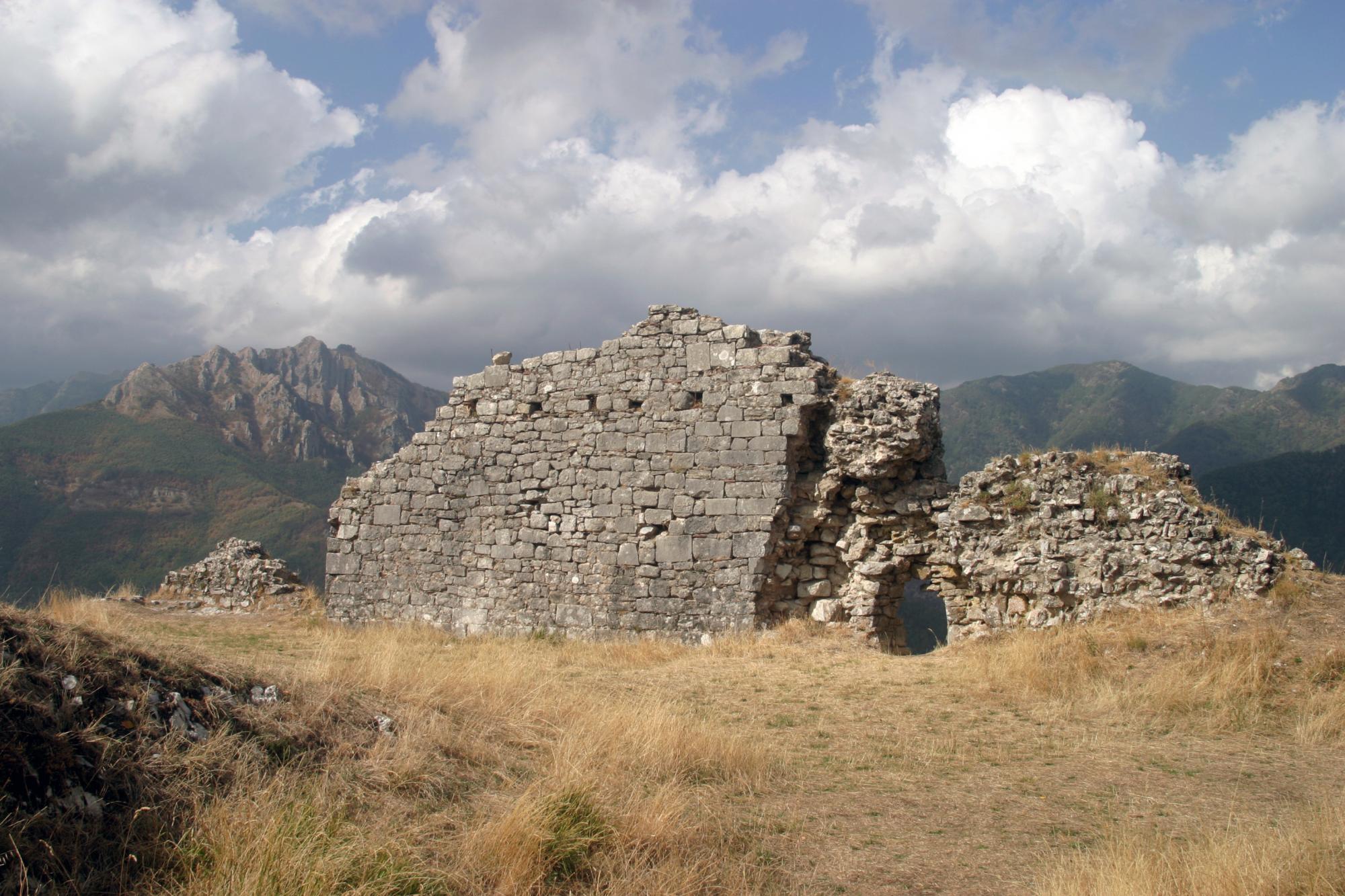
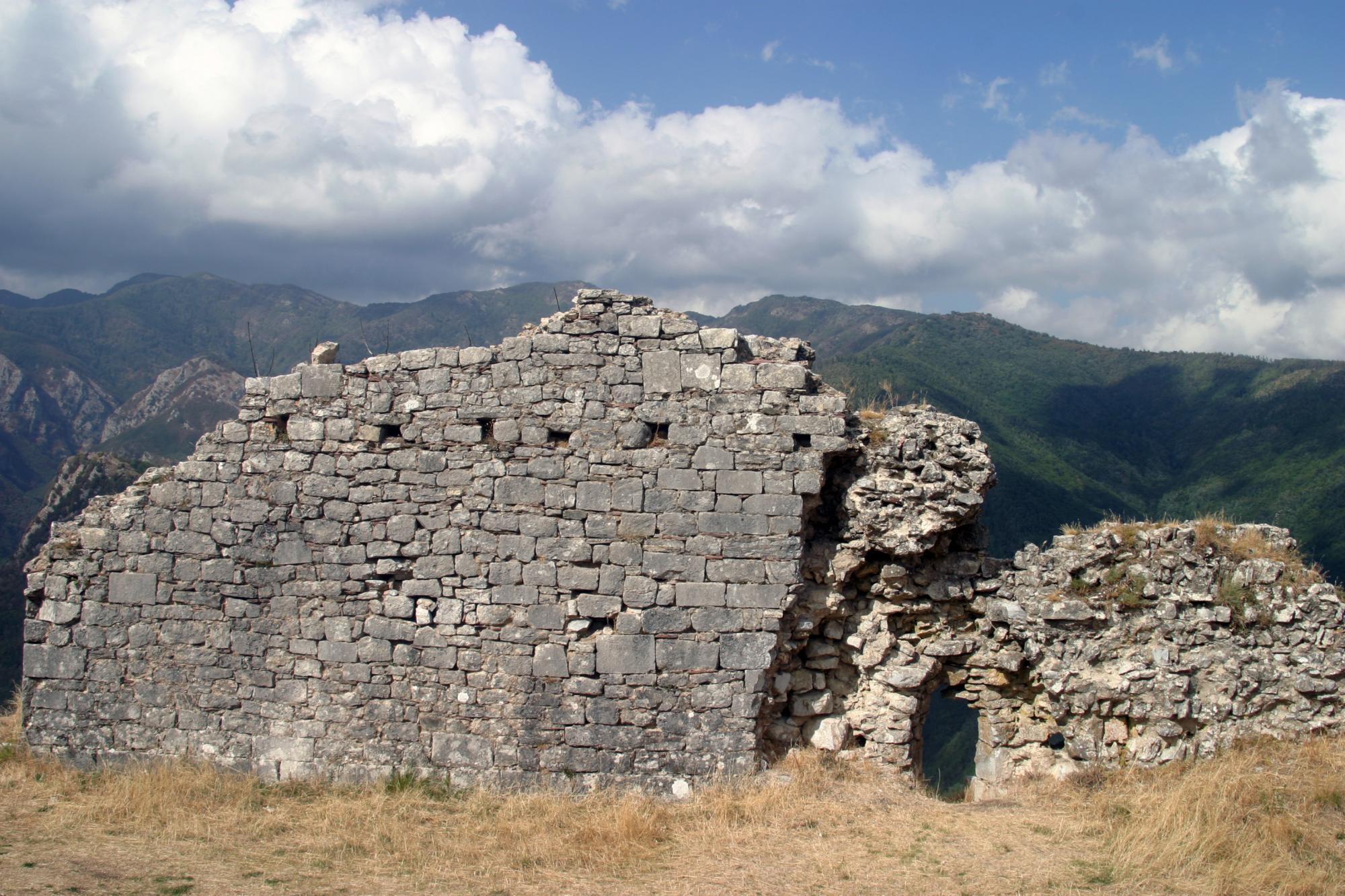
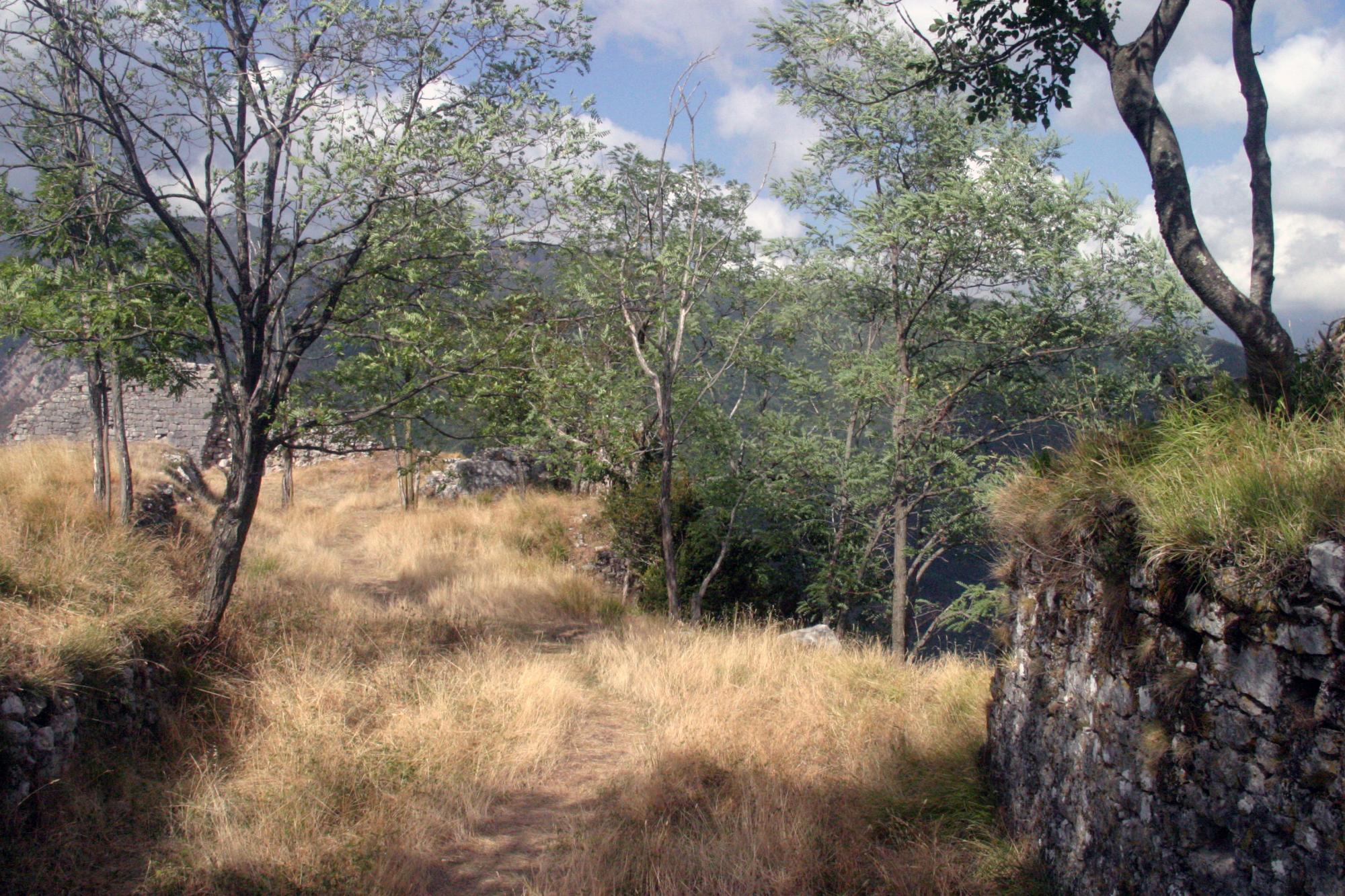
The scarce remains of the castle dominate the settlement. The fortification, dating back to the 11th century, developed during the feudal age in one of the most strategic positions in the whole valley. From here, it is possible to dominate the main road of communication between Pistoia and the Garfagnana that follows the course of the river Lima. The location of Lucchio Castle is one of the most dramatic among all the Tuscan medieval strongholds. Its walls are dug in the rock; the stone buildings seem like an extension of the mountain, everlastingly swept by winds, and still today it is difficult to reach [pay attention to the steep, small, disconnected path, the only way of access]. The castle of Lucchio was always the object of popular legend.
The origin of the Castle is uncertain: perhaps, as the near village of Limano, it goes back to the age of the Countess Matilde di Canossa, or as the name of some other villages of the valley [like 'Vico Pancellorum' or 'Panulegium', today Palleggio] we must search its origin in the Roman era, or it was simply a fortification of a feudal family of the zone like the Suffredinghi or the Lupari or, more like other nearby places, was a Longbeard stronghold...
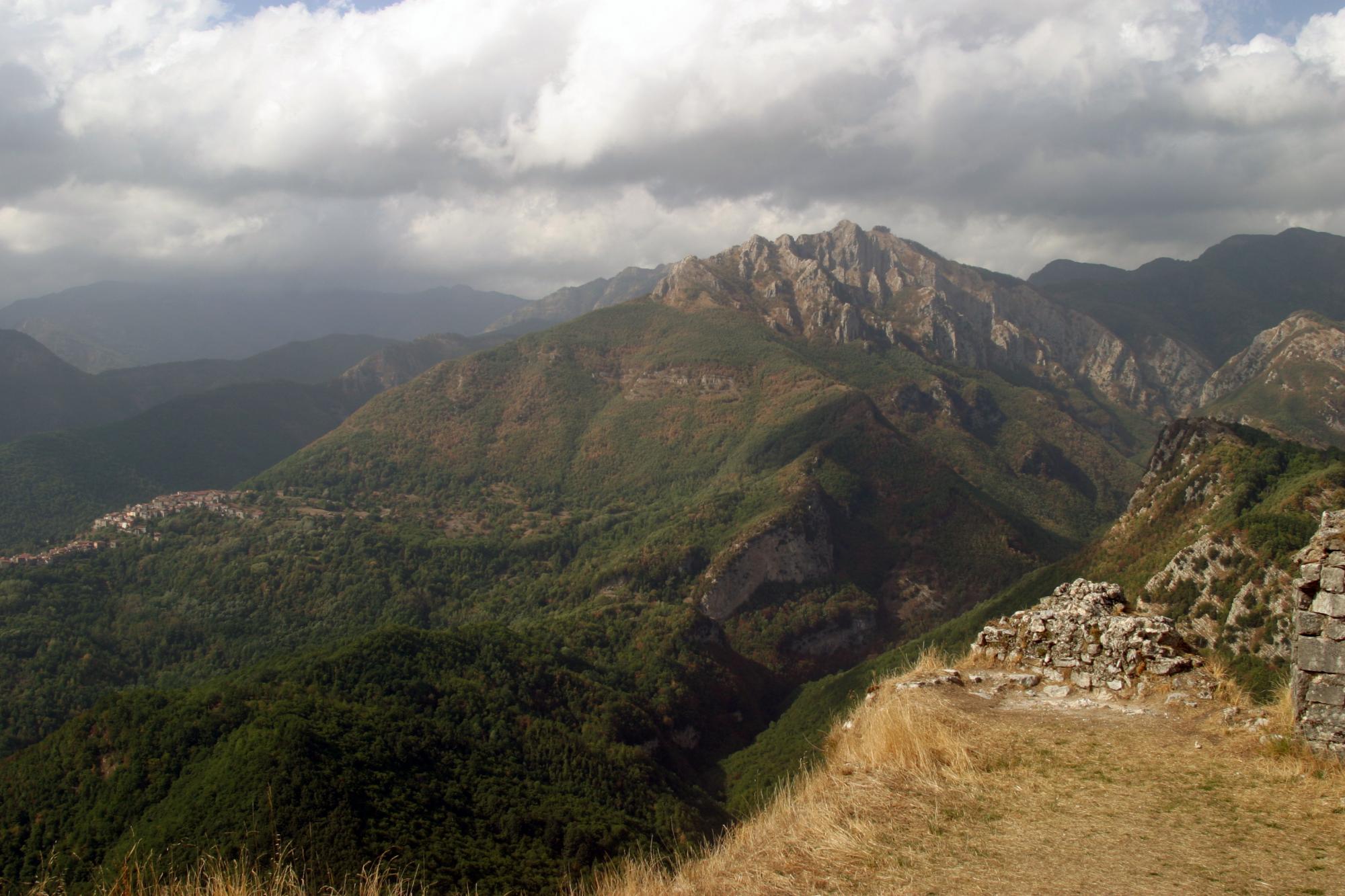
The only certainty is that in the 14th century, Lucca turned Lucchio into its main stronghold to control the borders towards Pistoia. When the Florentines took control of part of the area, the castle lost some of its strategic importance and was abandoned. Some of the stones of the fortification were used to build the houses of the poor village at its feet. The ruins are visible for free, and the breathtaking landscape that can be viewed from here is worth the efforts made to reach the top of the rocks!
The recent restoration and archaeological discoveries
Since 17 July 2024, thanks to significant funding provided by the Ministry of Culture, the Superintendency has carried out extensive consolidation and safety works on the fortress, completed in mid-2026. Given the dizzying steepness of the limestone cliff, the workers operated entirely on ropes using rope-access construction techniques, supported by helicopters to transport materials at height. The parallel archaeological excavations conducted within the fortified perimeter yielded discoveries of extraordinary historical value: the remains of an 11th-century medieval church and the structures of an ancient metallurgical furnace, once used to cast bronze artillery and weapons on site, have come to light, confirming the strategic role and the complex operational life of this inaccessible eagle's nest in the Val di Lima.